



Steel-cut, rolled, quick, thick, and whole—why are there so many different types of oats, and does it really matter which one you buy?
Although most varieties begin as the same whole oat kernel, the way the oats are cut, steamed, rolled, or milled changes their texture, cooking time, and best uses.
Some make a soft, creamy breakfast in minutes, while others are better suited to chewy grain bowls, overnight oats, granola, or baking.
The good news is that there is no single “right” type of oat for everyone. The best choice depends on how much time you have, the texture you enjoy, and what you are making.
DIFFERENT TYPES OF OATS AT A GLANCE
All the most common oat varieties begin as oat groats—the whole oat kernel with its tough, inedible outer hull removed.
Whole groats remain intact, steel-cut oats are chopped into smaller pieces, and rolled oats are steamed and flattened. Quick oats are made thinner or smaller so they cook faster, while oat bran and oat flour are milled into different textures for specific uses.
These forms offer broadly similar basic nutrition when compared by equal dry weight. Their biggest differences are their shape, texture, cooking time, recipe performance, and how quickly the body may digest them.
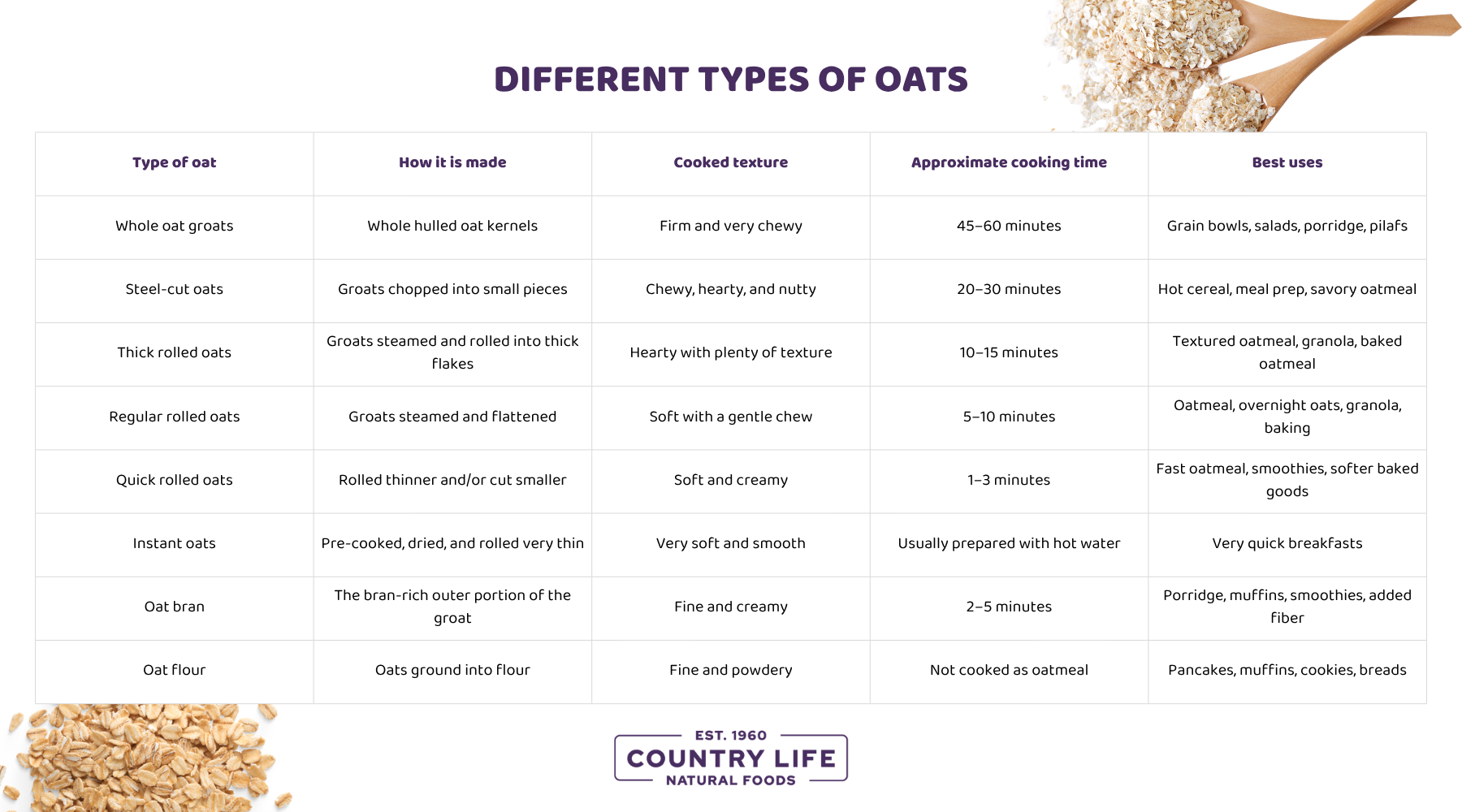
Cooking times and liquid needs can vary by brand, batch, and preferred texture, so always check the package directions when available.
Diving Deeper
1. Whole oat groats
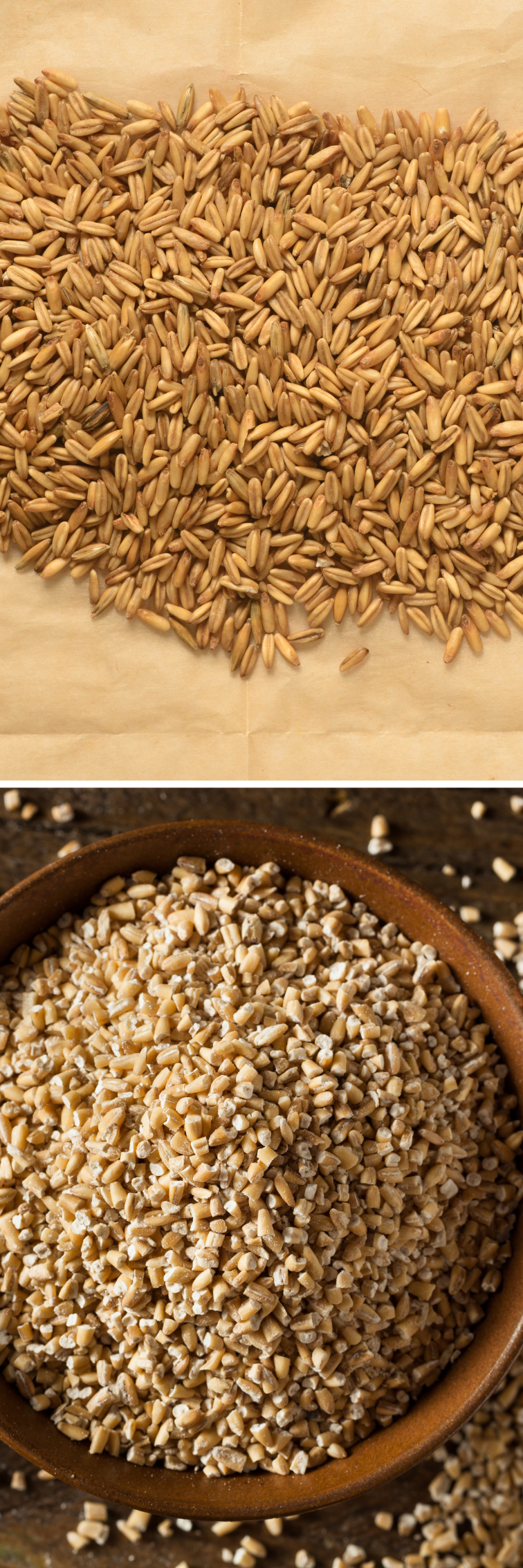
Whole oat groats are the starting point for the other common oat varieties. Only the tough outer hull is removed, leaving the bran, germ, and endosperm intact.
They look more like wheat berries or short brown rice than familiar oatmeal flakes. Once cooked, groats have a firm, pleasantly chewy texture and a mild, nutty flavor.
How to cook whole oat groats
As a general starting point, combine 1 cup of rinsed oat groats with about 3 cups of water. Bring to a boil, reduce the heat, cover, and simmer for approximately 45–60 minutes, or until tender. Drain any excess liquid if necessary.
Soaking the groats overnight can reduce cooking time. You can also prepare a large batch and refrigerate it for easy breakfasts, salads, and grain bowls.
Best uses for whole oat groats
- Hearty breakfast bowls
- Savory grain bowls
- Grain salads
- Pilafs and side dishes
- Soups and stews
2. Steel-cut oats
Steel-cut oats are whole oat groats that have been chopped into two or more small pieces using steel blades.
Because the pieces are smaller than whole groats, steel-cut oats cook faster while retaining a hearty, chewy bite. They produce a very different bowl of oatmeal from rolled oats: less smooth and creamy, but more textured and nutty.
How to cook steel-cut oats
Combine approximately 1 cup of steel-cut oats with 3 cups of water. Bring to a boil, reduce the heat, and simmer for 20–30 minutes, stirring occasionally. Use a little more liquid for softer oats or a little less for a firmer texture.
Best uses for steel-cut oats
- Chewy breakfast porridge
- Overnight slow-cooker oatmeal
- Make-ahead breakfast portions
- Savory oatmeal with vegetables and herbs
- Adding texture to breads or other hearty recipes
Because they absorb liquid and cook differently, steel-cut oats cannot generally replace rolled oats one-for-one in baked goods.
3. Thick rolled oats
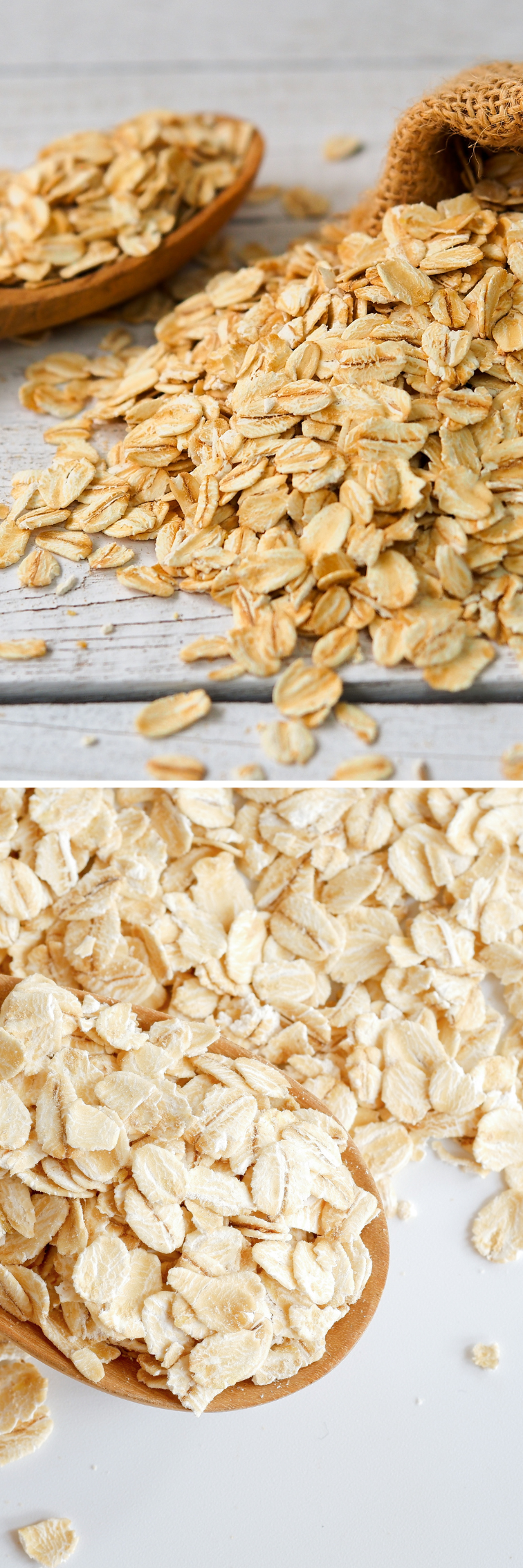
Thick rolled oats are steamed and flattened like regular rolled oats, but the flakes are left noticeably thicker. They sit between steel-cut oats and regular rolled oats when it comes to cooking time and texture.
They soften as they cook but retain more structure than regular or quick oats.
How to cook thick rolled oats
Use approximately 2 cups of water for every 1 cup of thick rolled oats. Simmer for about 10–15 minutes, depending on how chewy or soft you prefer them.
Best uses for thick rolled oats
- Hearty stovetop oatmeal
- Granola with large, visible flakes
- Baked oatmeal
- Muesli and oat bars
Shop organic thick rolled oats
4. Regular rolled oats
Regular rolled oats and old-fashioned oats are two names for the same product. The groats are steamed and passed through rollers to create flat flakes.
Steaming and flattening help the oats absorb liquid more quickly, which is why they cook much faster than groats or steel-cut oats. They become soft and creamy but usually retain a little chew.
How to cook regular rolled oats
Use approximately 2 cups of water or milk for every 1 cup of rolled oats. Bring the liquid to a boil, stir in the oats, and simmer for 5–10 minutes.
For overnight oats, start with equal parts rolled oats and milk, then add a little more liquid if you prefer a softer consistency. Yogurt, chia seeds, fruit, and nut butter will also affect the final thickness.
Best uses for rolled oats
- Everyday oatmeal
- Overnight oats
- Granola and muesli
- Baked oatmeal
- Cookies, muffins, and breads
- Energy bites and granola bars
- Homemade oat flour or milk
If you only want to keep one type of oat in the pantry, this is usually the easiest one to use across breakfast and baking recipes!
Try them in our Carrot Cake Overnight Oats, Crunchy Homemade Granola Bars, or this Quick and Easy DIY Oat Milk.
5. Quick rolled oats
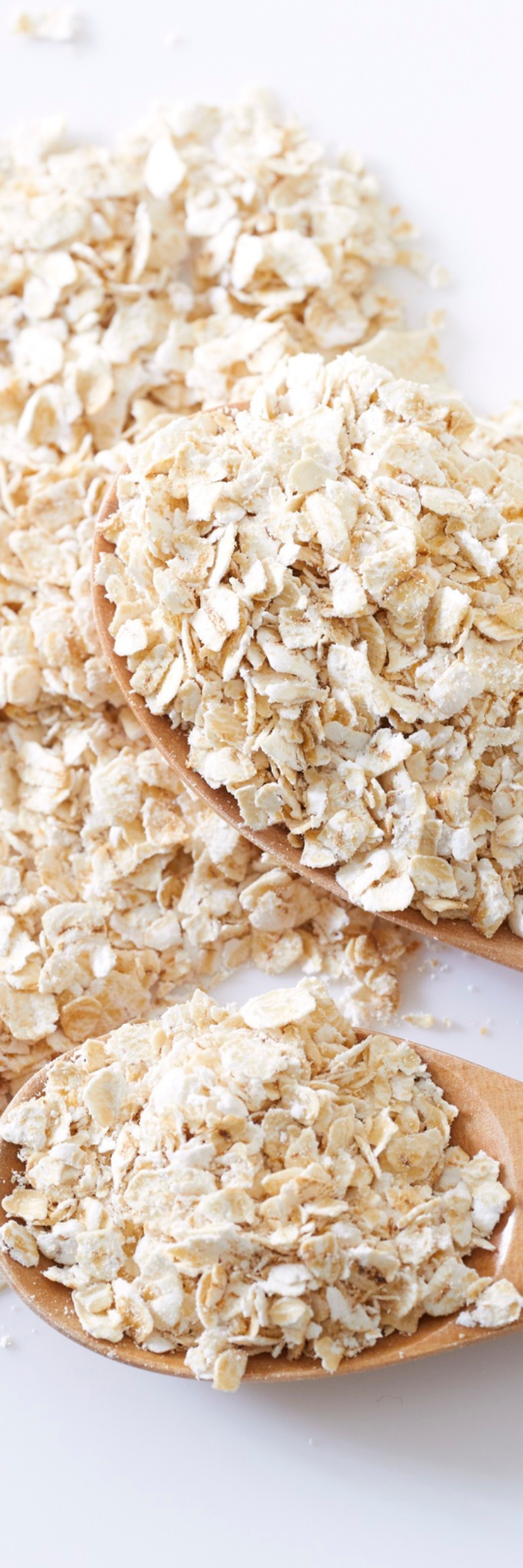
Quick rolled oats are made from whole-grain oats that are rolled thinner and may also be cut into smaller pieces. The increased surface area allows them to absorb water and soften very quickly. They have a softer, creamier finished texture.
How to cook quick oats
Use approximately 2 cups of water or milk for every 1 cup of quick oats. Simmer for 1–3 minutes, or prepare them in the microwave according to the package directions.
Best uses for quick oats
- Fast weekday breakfasts
- Creamy oatmeal
- Smoothies
- Pancakes and muffins
- Soft oatmeal cookies
- Homemade oat flour
6. Instant oats
Quick oats and instant oats are sometimes confused, but they are not always the same. Instant oats are generally pre-cooked, dried, and rolled very thin so that they only need hot water or a short turn in the microwave.
Plain instant oats can still be a useful whole-grain option. The bigger difference often comes from what is added to individual packets, which may include sugar, salt, flavors, or powdered creamers.
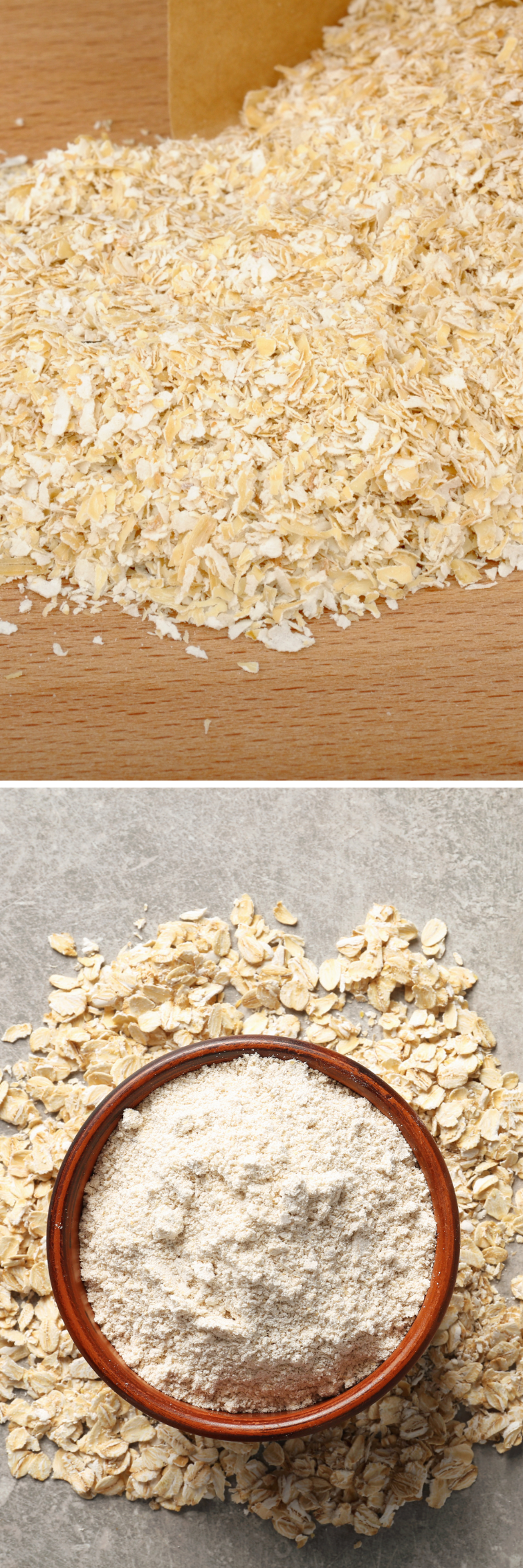
7. Oat bran
Oat bran comes primarily from the bran-rich outer portion of the oat groat. It has a fine texture and cooks into a smooth, creamy porridge.
Because the bran portion is especially rich in fiber, including beta-glucan soluble fiber, oat bran can be a convenient way to increase the fiber content of meals. It is not the same as oatmeal, oat flour, or wheat bran.
How to use oat bran
- Cook it into a creamy hot cereal
- Stir it into oatmeal
- Blend it into smoothies
- Mix it into yogurt
- Add it to muffins, pancakes, breads, or cookies
- Use a small amount to thicken soups and stews
When adding oat bran to baked goods, begin by replacing only a small portion of the flour. Bran absorbs liquid differently, so replacing too much can make a recipe dry or dense.
8. Oat flour
Oat flour is made by grinding oats into a fine powder. You can purchase it ready-made or make your own by blending rolled or quick oats in a high-speed blender or food processor until fine.
Oat flour adds a mild flavor and tender texture to pancakes, muffins, quick breads, cookies, and snack bars. Because it does not contain gluten, it cannot always replace wheat flour one-for-one in recipes that depend on gluten for structure.
Substituting Oats
Can you substitute one oat for another?
Sometimes—but not always.
Regular rolled oats and quick oats
These can often be exchanged in a bowl of oatmeal. Quick oats will cook faster and create a softer result. In cookies, bars, and granola, they may absorb liquid differently and give you a less chewy texture.
Thick rolled oats and regular rolled oats
These are sometimes interchangeable, but thick rolled oats may need a little more time or liquid. They also create a heartier texture in oatmeal, granola, and baked dishes.
Steel-cut oats and rolled oats
Do not usually substitute these one-for-one in baking. Steel-cut oats need much more cooking time and do not absorb moisture in the same way.
Whole oat groats and steel-cut oats
Both work well in porridge and savory bowls, but whole groats need more cooking time. Steel-cut oats will produce a softer, more spoonable result.
Oat bran, oat flour, and rolled oats
These three forms behave very differently. Oat bran absorbs liquid readily, oat flour acts like a flour, and rolled oats provide flakes and texture. Follow a recipe developed for the oat product you plan to use whenever possible.
what are the benefits of eating oats?
The different varieties may cook and taste different, but plain oats share many of the same nutritional qualities.
Oats provide soluble and insoluble fiber
Oats contain both soluble and insoluble fiber. Their best-known soluble fiber is beta-glucan, which forms a gel-like substance when mixed with liquid. Fiber supports normal digestion and can help make a meal feel more satisfying.
Beta-glucan may support healthy cholesterol levels
Oat beta-glucan has been studied for its role in supporting healthy blood cholesterol levels as part of an overall balanced diet. The FDA recognizes beta-glucan soluble fiber from whole oats in relation to authorized heart-health claims when products meet specific requirements.
Oats contain useful vitamins and minerals
Oats provide nutrients such as thiamin, manganese, phosphorus, magnesium, iron, and zinc. The exact amount varies according to the product and serving size.
Oats offer complex carbohydrates and some protein
Oats provide carbohydrates, fiber, and a moderate amount of plant protein. Pairing them with nuts, seeds, nut butter, soy milk, or yogurt can make breakfast more balanced and satisfying.
Oats are wonderfully versatile
Perhaps their most practical benefit is how easily they fit into everyday meals. Depending on the variety, oats can become a two-minute breakfast, a batch-cooked grain, a baking ingredient, a smoothie addition, or a base for sweet and savory recipes.
FAQ
Are oats gluten-free?
------Oats are naturally gluten-free. However, they are often processed in facilities that handle gluten-containing grains, which can lead to cross-contamination. If you have celiac disease or a gluten sensitivity, look for oats labeled as gluten-free to ensure they have not been contaminated. Some people may also experience reactions to oat protein.
Are oats high in protein?
------Oats contain a moderate amount of protein compared to other grains. They provide about 5 grams of protein* per half-cup serving of dry oats. While not extremely high in protein, oats are still a valuable source of this nutrient, especially when combined with other protein-rich foods like nuts, seeds, or yogurt.
*Protein content may differ between brands and different types of oats.
Are oats high in carbohydrates?
------Yes, oats are high in carbohydrates, but they are a source of complex carbohydrates, which are beneficial for your health. A typical serving size of oats (1/2 cup of dry oats) contains approximately 27-30 grams of carbohydrates.
Are oats good for weight loss?
------Yes, oats are beneficial for weight loss due to their high fiber content, which helps you feel full and satisfied. The low glycemic index of oats also aids in stabilizing blood sugar levels, preventing cravings and overeating.
do all types of oats have the same amount of fiber?
------Plain groats, steel-cut oats, rolled oats, and quick oats generally contain similar amounts of fiber when compared by equal dry weight, although products and serving sizes vary. Oat bran is especially fiber-rich because it concentrates the bran portion of the grain.
which oats are best for overnight oats?
------Regular rolled oats are usually the best choice. They soften overnight while retaining enough texture. Quick oats can be used but will produce a softer, creamier result, while steel-cut oats stay much chewier and may need a different recipe and longer soak.
which oats are best for baking?
------Regular rolled oats are the most versatile for cookies, granola, baked oatmeal, and bars. Quick oats work well when you want a softer, more uniform texture. Always use the oat type specified by the recipe when possible.
what is the difference between oat brand and oatmeal?
------Oat bran is the fiber-rich outer portion of the oat groat. Oatmeal is the prepared porridge, which can be made from steel-cut, rolled, quick, or other oat forms.
should oats be soaked before cooking?
------Rolled and quick oats do not need to be soaked before cooking. Soaking whole groats or steel-cut oats can reduce cooking time, while soaking rolled oats is what creates overnight oats.
Find the right oats for your pantry
Whether you love a chewy bowl of steel-cut oats, need quick oats for rushed mornings, or want thick rolled oats for chunky homemade granola, there is an oat for almost every recipe and routine.
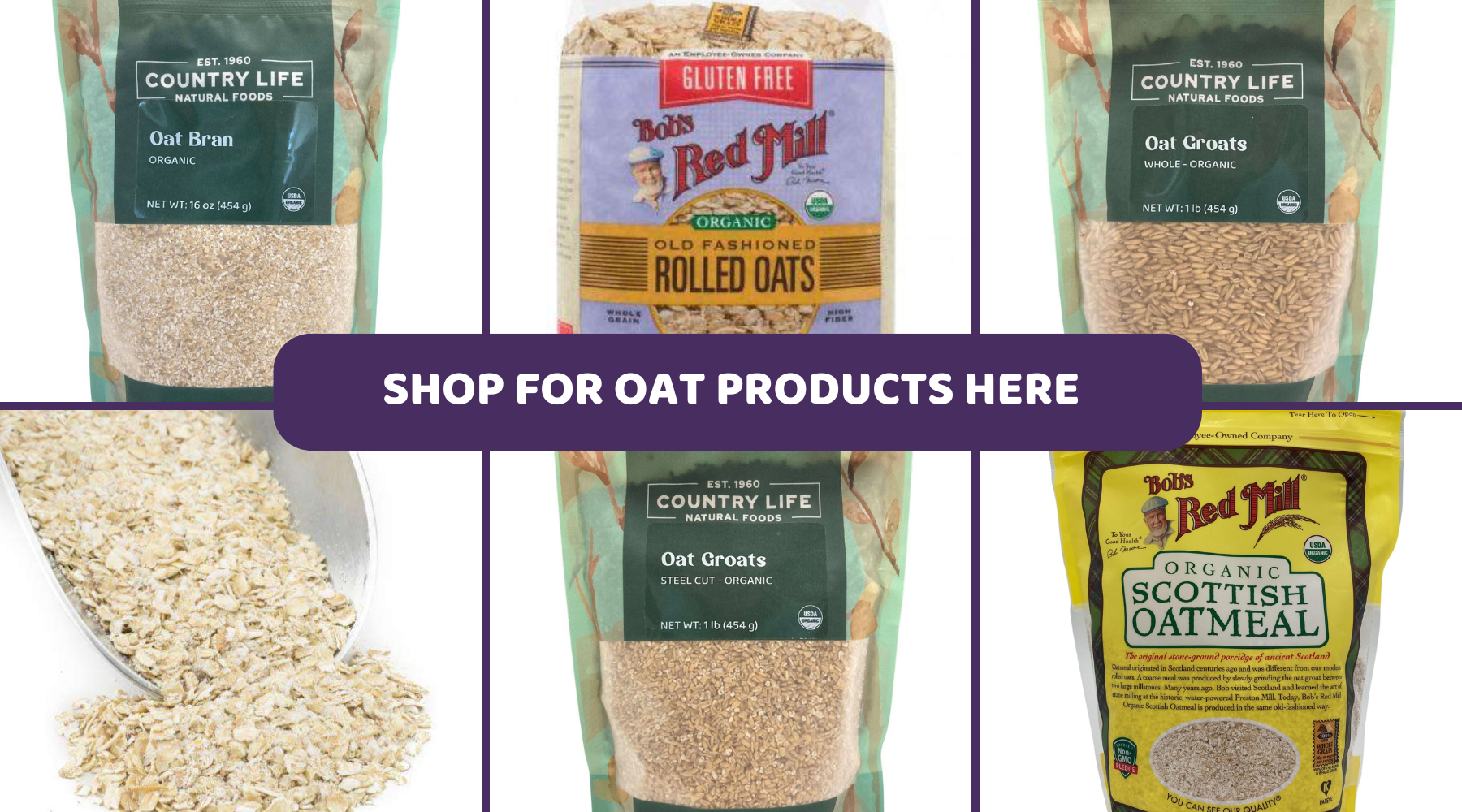
Explore our full selection of whole, steel-cut, thick rolled, regular rolled, quick, organic, and gluten-free oats, available in sizes suited to everyday kitchens and bulk pantries.
Once you understand how the varieties differ, choosing the right one becomes simple: match the oat’s texture and cooking time to the dish you want to make—and enjoy experimenting!
Editorial source notes
- Harvard T.H. Chan School of Public Health: Oats
- FDA: Questions and Answers on Dietary Fiber
- British Journal of Nutrition: Effect of processing whole-grain oat cereals on glycemic response
- Celiac Disease Foundation: Gluten-Free Oats—What’s the Deal?
Editorial note: Cooking ratios and times are general starting points. Confirm them against the instructions supplied with each Country Life product before publishing.


