



Avoiding Beans to Avoid Uncomfortable Moments?
Here's how to enjoy beans without the bloat and gas!
Anyone following a plant-based, vegan, or vegetarian diet would know how crucial beans are in their diet.
Besides soy products, beans are a significant protein source and are the base for many meals.
READ MORE: The Best Vegan Protein Sources
Beans are also high in fiber, which is essential for optimal gut health, keeping you full and regular. And contain nutrients and minerals our body needs to function optimally.
Oh, and it is super affordable and convenient!
There's just one problem... Beans can make you, uhum, gassy...
Bloating, cramping, gas, and indigestion are common after-effects of eating beans, making you feel uncomfortable and maybe a tad bit embarrassed ;-)
So how can you make beans less gassy, and what are the easiest beans to digest?? Read more below!
In a Nutshell: Which beans are the easiest to digest?
Mung beans, red and yellow lentils, black-eyed peas, and canned chickpeas are often among the easiest beans and legumes to digest. To reduce gas and bloating, begin with a small serving, soak dried beans, discard the soaking water, cook them until completely tender, and drain and rinse canned beans thoroughly.
THE EASIEST BEANS TO DIGEST
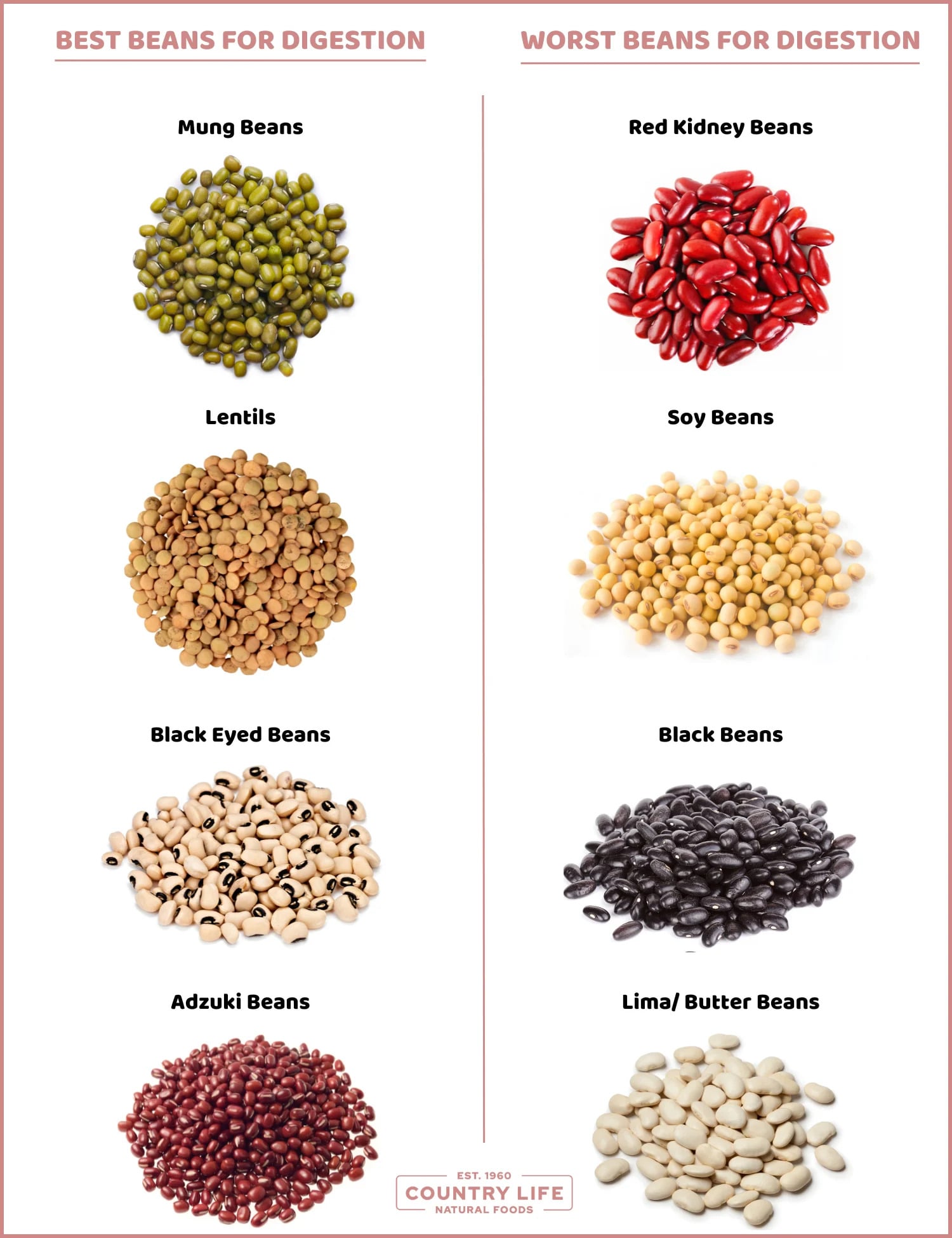
Among the variety of legumes available, some stand out as easier to digest than others:
Mung Beans
Known for their mild flavor and tender texture, mung beans are rich in nutrients and gentle on the digestive system. These beans are low in oligosaccharides, a complex carbohydrate that can contribute to digestive discomfort in some people.
Lentils
Lentils, especially the red and yellow varieties, are celebrated for their digestibility. They contain fewer compounds that contribute to gas and bloating, making them a friendly option for those with sensitive stomachs.
Black-Eyed Peas
Black-eyed peas, with their slightly sweet taste, are also easy on the digestive system, boasting a lower level of indigestible fibers.
Adzuki Beans
Adzuki beans, small and red, are rich in nutrients and easier to digest compared to some larger beans.
Anasazi Beans
Anasazi beans, with their appealing speckled appearance, are not only visually enticing but also easier on the digestive tract, containing fewer fermentable sugars.
Chickpeas
Chickpeas, a staple in many cuisines, are generally well-tolerated, especially when soaked and cooked properly, offering a good source of protein and fiber without causing excessive bloating.
Shop dried chickpeas (garbanzo beans)
Less digestive-friendly beans
Some beans are notorious for causing digestive discomfort due to certain compounds, like oligosaccharides and lectins. You may want to scale back on these if you want to make it easier on your tummy:
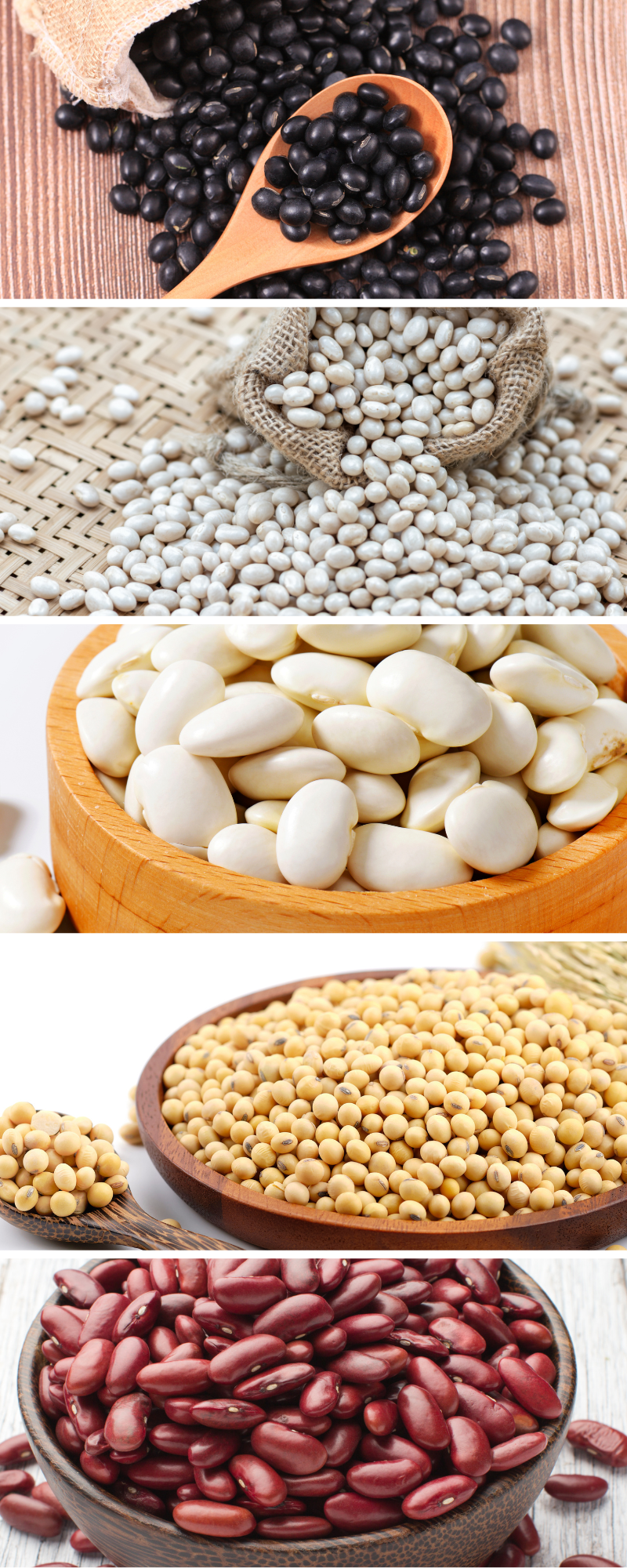
Black Beans
While black beans are a nutritious choice, they also contain oligosaccharides. Soaking and proper cooking can help reduce these compounds and make them more digestible.
Navy Beans
Like other white beans, navy beans can be harder to digest for some people due to their oligosaccharide content. Soaking and cooking thoroughly can help mitigate this.
Stock up on organic navy beans
Lima/ Butter Beans
Lima beans are rich in oligosaccharides, a type of complex carbohydrate that can lead to gas and bloating in some individuals.
Soybeans
Soybeans are generally considered to be more challenging to digest compared to some other beans. They contain compounds such as oligosaccharides and trypsin inhibitors that can contribute to digestive discomfort in some individuals.
Kidney Beans (red and white)
Kidney beans contain a higher amount of lectins, which can be harsh on the digestive system. Eating them raw or undercooked can be especially problematic, as raw kidney beans contain toxins that can cause nausea and other digestive issues.
Why do beans cause gas?
Beans can cause gas or bloating mainly because they contain fermentable carbohydrates and plenty of fiber.
When these carbohydrates reach the large intestine, gut bacteria break them down and naturally produce gas in the process. Eating a large amount of fiber when your digestive system is not accustomed to it can also cause temporary discomfort.
Oligosaccharides
Beans contain fermentable carbohydrates called oligosaccharides, including raffinose and stachyose. The human body does not produce enough of the enzyme alpha-galactosidase to break these sugars down completely.
As a result, they pass into the large intestine, where gut bacteria ferment them. This fermentation can produce gas, bloating and cramping—although the amount of discomfort varies from one person to another.
Fiber
Beans are an excellent source of dietary fiber, which helps support digestive health, regularity and beneficial gut bacteria. However, increasing your fiber intake too quickly can temporarily cause gas and bloating.
If you do not eat beans regularly, begin with a small serving and gradually increase it as your digestive system adjusts.
Lectins
Beans also contain proteins called lectins. However, lectins are primarily a concern when certain beans, especially kidney beans, are eaten raw or undercooked. Proper soaking and thorough cooking reduce lectins to safe levels, so they are not generally the main cause of gas from properly prepared beans.
These compounds do not mean that beans should be avoided. Beans provide valuable fiber, plant-based protein, vitamins and minerals.
Instead, begin with a small portion, try beans that you personally tolerate well, and use proper soaking, rinsing and cooking techniques to make them gentler on your digestive system.
How to make beans less gassy
Start Small
------If you do not eat beans regularly, jumping straight into a large bowl of bean chili may be a shock to your digestive system! Begin with two to four tablespoons of cooked beans and gradually increase the amount as your body adjusts.
Eating beans regularly in smaller portions may be more comfortable than having a very large serving only occasionally.
Try most digestive friendly first
------Red and yellow lentils, mung beans and black-eyed peas are often good options for people who are new to eating legumes. However, everyone’s digestive system is different, so experiment with different varieties and pay attention to how you feel.
The type of bean matters, but the serving size and preparation method can make just as much difference.
Soak dried beans
------Soaking dried beans helps some of their gas-producing carbohydrates move into the soaking water. Cover the beans with plenty of water and soak them for at least eight hours or overnight. Chickpeas may benefit from soaking for 12 to 24 hours.
Once soaked, discard the water and rinse the beans thoroughly. Always cook them in fresh water rather than using the soaking liquid.
Sprout Your Beans
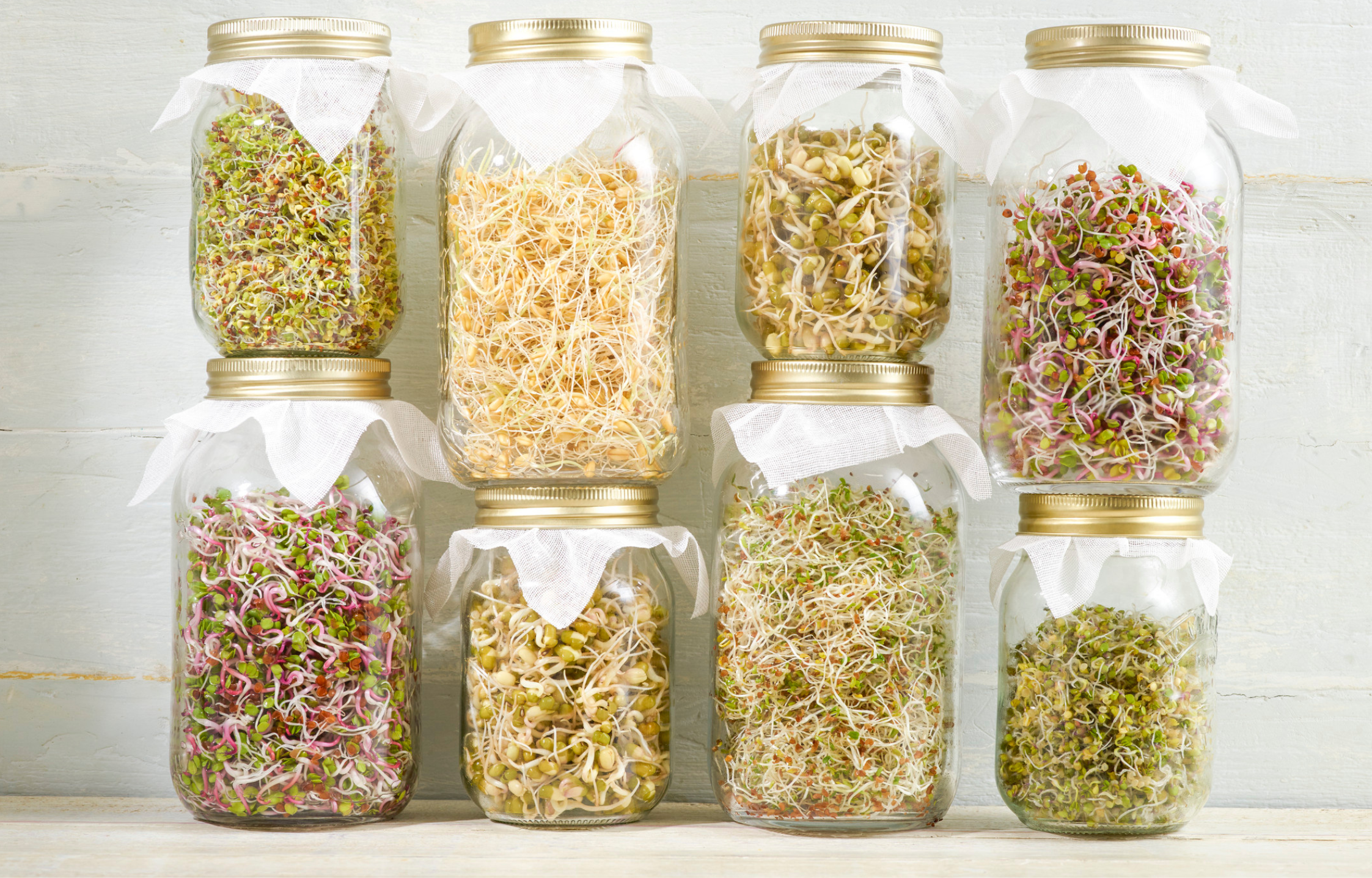
------Sprouting beans and legumes may help break down some of the compounds that make them harder to digest. It can also change their texture and make certain nutrients more available to the body.
Use beans or seeds specifically intended for sprouting and follow safe sprouting practices. Raw sprouts can carry harmful bacteria, so cooking sprouted beans thoroughly is the safest option—particularly for pregnant people, young children, older adults and anyone with a weakened immune system.
Read more: The Best Seeds To Sprout
Always Cook Beans
------Beans that are still firm or undercooked may be more difficult to digest. Cook them until they are completely tender and easy to mash with a fork. Pressure cooking can be a convenient way to cook beans thoroughly while reducing the overall cooking time.
Kidney beans require extra care because raw or undercooked kidney beans contain high levels of a lectin that can make you seriously ill. Soak dried kidney beans for at least five hours, discard the soaking water and boil them vigorously in fresh water for at least 30 minutes.
Use canned beans
------Canned beans may be easier for some people to tolerate because some of their fermentable carbohydrates move into the canning liquid.
Pour the beans into a colander, discard the liquid and rinse them thoroughly under running water before adding them to your meal. Canned lentils and chickpeas can be particularly convenient options when you want to begin with a small portion.
Read more: Dried beans vs canned beans: which is better for your kitchen?
Experiment With Kombu and Digestive Spices
------Some people add a strip of kombu seaweed to the pot while their beans cook. Although it is not guaranteed to prevent gas, kombu may help the beans soften and add a subtle savory flavor.
Ginger, cumin, fennel and turmeric can also add plenty of flavor and may feel soothing to some digestive systems. However, spices do not remove all fermentable carbohydrates from beans, so proper soaking, cooking, and portion control remain important.
Consider an Alpha-Galactosidase Enzyme
------An over-the-counter digestive enzyme containing alpha-galactosidase may help the body break down some of the complex sugars in beans before gut bacteria begin fermenting them.
These products do not work equally well for everyone, but they may be worth discussing with your healthcare provider if beans regularly cause uncomfortable gas.
Frequently Asked Questions About Digesting Beans
Which Beans Cause the Least Gas?
Mung beans, red and yellow lentils, and black-eyed peas are often considered good options for people with sensitive digestive systems. Small servings of canned chickpeas or lentils may also be easier to tolerate. However, everyone responds differently, so begin with a small portion and experiment to discover which beans work best for you.
Are Canned Beans Easier to Digest?
Canned beans may be easier for some people to digest because they are fully cooked and some of their gas-producing carbohydrates move into the canning liquid. Canned lentils and chickpeas can be especially convenient when you want to start with a small serving.
Choose beans with no added salt or a lower sodium content when possible, or rinse them well before using.
Does Rinsing Canned Beans Reduce Gas?
Rinsing canned beans may help reduce gas because it washes away some of the fermentable carbohydrates that have leached into the canning liquid. Pour the beans into a colander, discard the liquid and rinse them thoroughly under cool running water.
Rinsing will not remove all the gas-producing carbohydrates, but it may make the beans easier to tolerate. It also helps remove some of the added sodium.
How Long Should Beans Soak?
Most dried beans should soak for at least eight hours or overnight. Chickpeas may benefit from soaking for 12 to 24 hours because they take longer to soften.
After soaking, discard the water, rinse the beans and cook them in fresh water. Kidney beans require particular care: soak them for at least five hours, discard the soaking water and boil them vigorously in fresh water for at least 30 minutes. Never eat kidney beans raw or undercooked.
Does Your Body Adjust to Eating Beans?
Yes, many people find that gas and bloating decrease as their digestive system becomes accustomed to the additional fiber and fermentable carbohydrates in beans. This adjustment may take a few weeks.
Begin with two to four tablespoons of cooked beans and eat small portions regularly. Gradually increase the serving as your body adjusts instead of eating a large amount all at once. However, tolerance varies, and some people may continue to react to particular beans.
Can People With IBS Eat Beans?
Having irritable bowel syndrome does not necessarily mean you must avoid every bean. The type of bean, serving size and preparation method can all affect how well you tolerate it.
People following a low-FODMAP diet may find that small portions of canned, thoroughly drained and rinsed lentils or chickpeas are easier to digest. Keep a food-and-symptom diary to identify the varieties and portion sizes that work best for you.
A low-FODMAP diet is generally intended as a temporary process that includes careful food reintroduction—not a restrictive diet to follow indefinitely. If beans regularly cause significant pain, persistent bloating, diarrhea or constipation, speak with a doctor or registered dietitian before eliminating an entire food group.
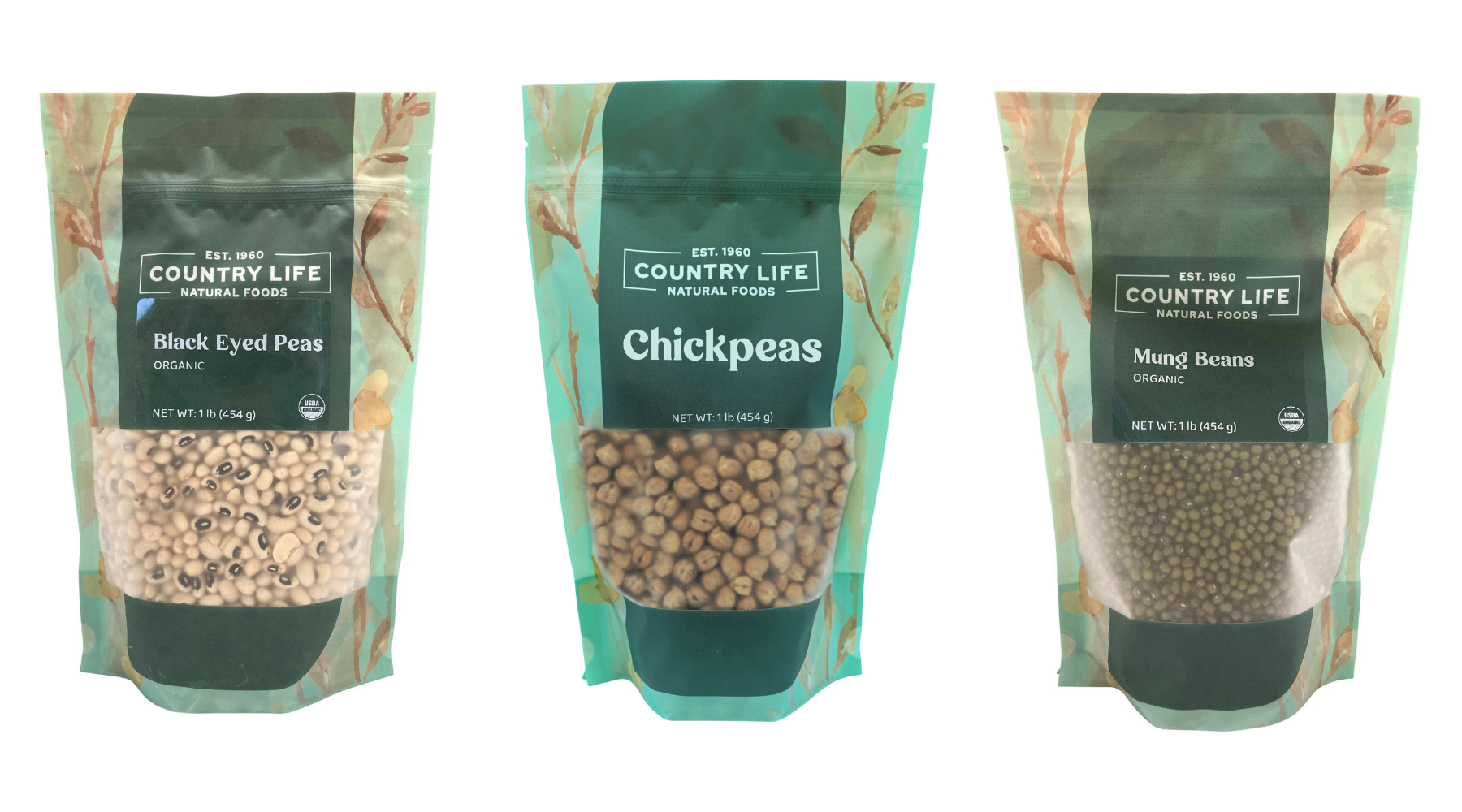
GET ALL THE BEANS YOU NEED HERE!


Have been eating red beans and rice for over 50 years and it the easiest to prepare and also most digestible add Cilantro and good miss Anna’s hot sauce and your over the top
Thank you for your insight. It’s my birthday party and I want to make a white bean chili. But I don’t want to be gassy during my party. I will definitely be soaking my beans overnight and rinsing them and using the spices that will help with gut health. Thank you for your consideration and time.