


If you've ever enjoyed your favorite baked goods only to feel bloated, uncomfortable, or gassy afterward, you might have wondered whether the flour was to blame.
The truth is, not all flours affect our digestive systems in the same way.
Some are naturally rich in fiber and nutrients that support a healthy gut microbiome. Others may be easier to tolerate if you're dealing with a sensitive stomach, irritable bowel syndrome (IBS), or certain food intolerances.
And sometimes, it's not just the flour you choose, but how it's milled, prepared, and baked that makes a difference.
So, what is the best flour for gut health? Is whole wheat always the healthiest option? Could ancient grains like einkorn or spelt be worth trying? And what about naturally gluten-free alternatives?
Let's explore the different options, why whole grains matter, and how something as simple as milling your own flour can bring more wholesome goodness into your kitchen.
Is Whole Wheat Flour Good for IBS and Sensitive Stomachs?
For most people, choosing whole-grain flour more often is a simple way to increase fiber and improve the nutritional quality of homemade baked goods.
Although whole wheat flour offers plenty of nutritional benefits, it isn't always the easiest flour to tolerate if you have IBS.
And there are two main reasons.
1. Whole Wheat Contains Fructans
Fructans are naturally occurring carbohydrates found in wheat, rye, onions, garlic, and several other foods.
They belong to a group of carbohydrates called FODMAPs, which stands for Fermentable Oligosaccharides, Disaccharides, Monosaccharides, and Polyols.
These carbohydrates aren't inherently bad for us. In fact, some act as prebiotics, meaning they help nourish beneficial bacteria in the gut.
However, FODMAPs aren't fully absorbed in the small intestine. They can draw water into the digestive tract and become fermented by bacteria in the colon.
For people with IBS, this process can contribute to symptoms such as:
- Bloating and excess gas
- Abdominal pain or cramping
- Diarrhea
- Changes in bowel habits
Interestingly, some people who believe they're sensitive to gluten may actually be reacting to fructans in wheat rather than gluten itself.
2. Whole Wheat Is Rich in Insoluble Fiber
Most of the fiber in wheat bran is insoluble fiber.
This type of fiber adds bulk to stool and helps keep things moving through the digestive system.
However, large amounts of insoluble fiber can aggravate symptoms in some people with IBS, particularly if they're prone to bloating or abdominal discomfort.
Soluble fiber, such as the type found in oats, is often better tolerated.
So, does that mean you should avoid whole wheat?
Not necessarily! If you don't have a specific wheat intolerance, whole wheat can be a nutritious part of your diet. The key is understanding your individual tolerance.
For those who struggle with IBS, the type of fiber, amount eaten, and other ingredients in a recipe can all make a difference.
The Best Flours for Gut Health: Whole Wheat and Ancient Grain Options
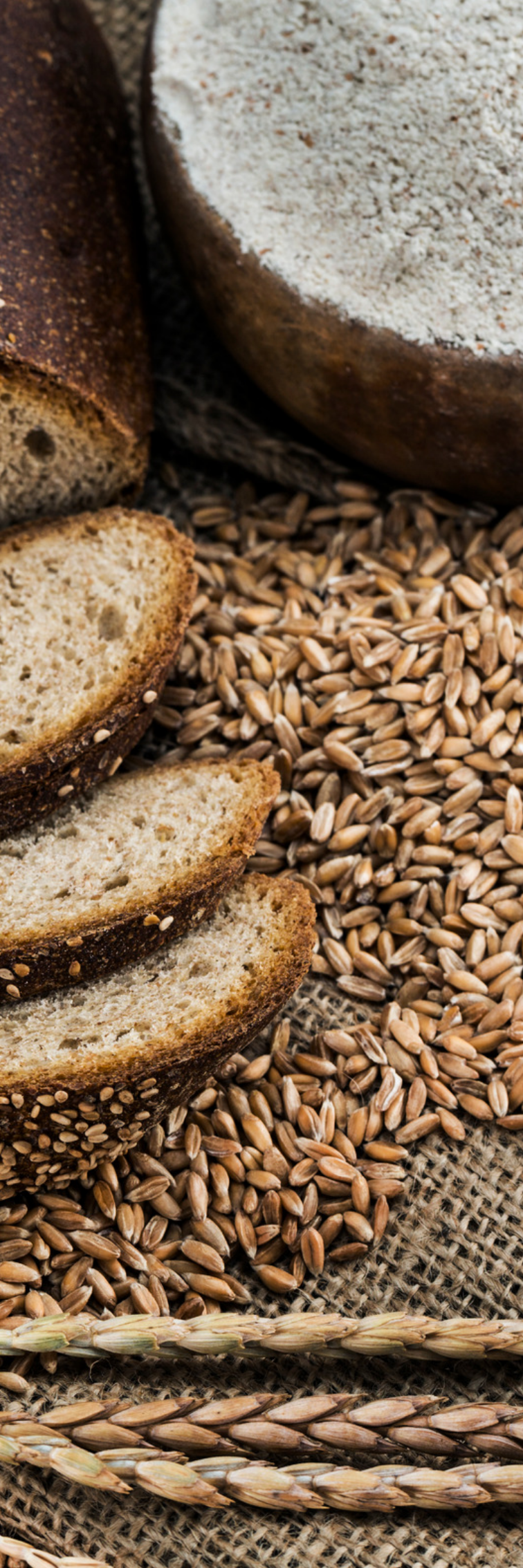
If your goal is to enjoy more natural, nutrient-rich grains, whole wheat and ancient wheat varieties are wonderful places to start.
These flours retain valuable nutrients, offer a variety of flavors and textures, and can be used in everything from everyday bread to homemade pancakes and muffins.
Keep in mind that all three options below contain gluten.
1. WHOLE WHEAT FLOUR
Unlike refined white flour, whole wheat flour contains the bran, germ, and endosperm, preserving the grain's naturally occurring fiber and nutrients. This makes it a valuable addition to a fiber-rich diet that supports regular bowel movements and overall digestive health.
Best for: Homemade bread, muffins, pancakes, waffles, and everyday baking.
Our tip: If you're used to baking with white flour, try replacing 25% of it with whole wheat flour. Gradually increase the amount as you become accustomed to the flavor, texture, and additional fiber that can cause some discomfort in the beginning.
Shop Country Life Foods Organic Whole Wheat Flour
2. EINKORN FLOUR
Einkorn is one of the oldest cultivated varieties of wheat, dating back thousands of years. Unlike modern bread wheat, einkorn has a simpler genetic structure and different gluten characteristics.
It's also known for its naturally sweet, slightly nutty flavor, making it a delicious choice for home baking and providing fiber, protein, minerals, and beneficial plant compounds.
But is einkorn flour easier to digest?
Some people do report tolerating it better, but there isn't enough scientific evidence to say that einkorn is consistently easier to digest or better for people with IBS. Einkorn contains gluten and fructans, which can still cause symptoms in sensitive individuals.
Best for: Rustic pancakes, muffins, cookies, waffles, and homemade bread.
Shop Organic Whole Wheat Einkorn Flour or try Organic Einkorn Berries for home milling.
3. SPELT FLOUR
Spelt is another ancient variety of wheat that has a pleasant, nutty flavor and contains fiber, protein, and minerals such as magnesium, iron, and zinc.
What makes spelt particularly interesting for people with sensitive stomachs is its fructan content.
Research from Monash University has found that spelt flour generally contains fewer FODMAPs than some common modern wheat flours.
Best for: Homemade sourdough, rustic bread, muffins, and pancakes.
what about gluten-free flour?
Several naturally gluten-free grains and seeds can be milled into wholesome flours that offer fiber, minerals, and other valuable nutrients.
These are especially useful for people with celiac disease, wheat allergies, or those exploring wheat-free alternatives as part of an IBS management plan.
1. OAT FLOUR
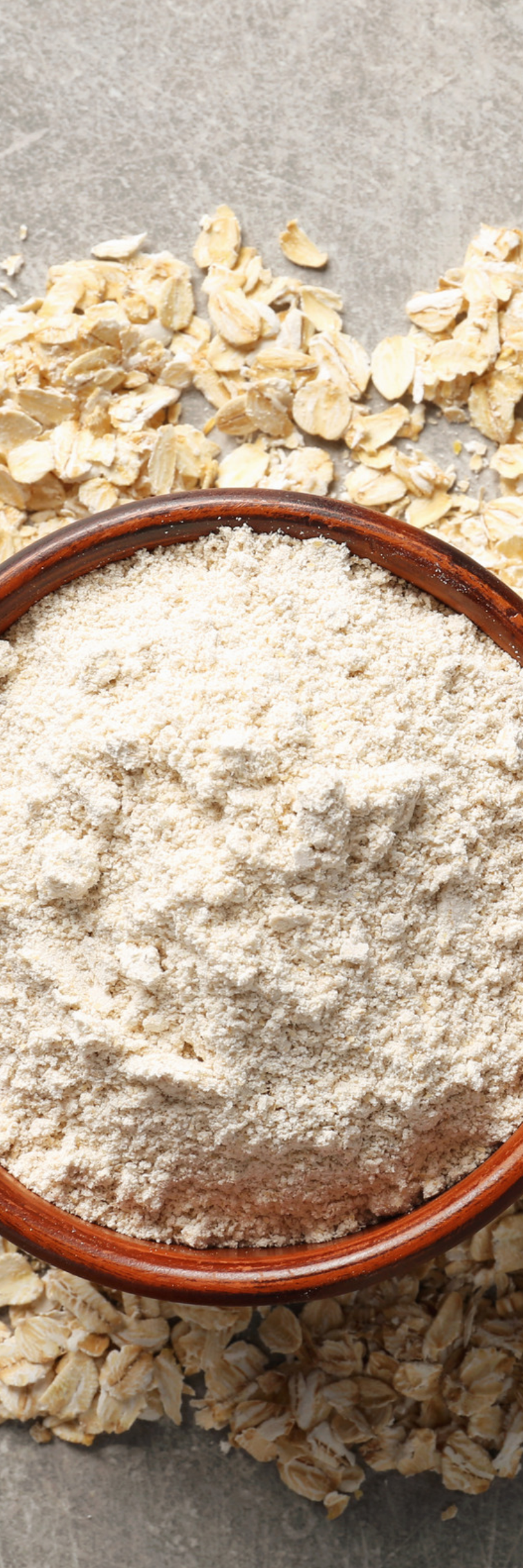
Made from finely ground oats, it provides beta-glucan, a type of soluble fiber that helps support digestive health.
Unlike the predominantly insoluble fiber found in wheat bran, soluble fiber is often better tolerated by people with IBS. Beta-glucan also has beneficial effects on cholesterol levels and can be fermented by gut bacteria.
Oat flour has a mild flavor and a soft texture, making it particularly useful for everyday breakfast baking.
Best for: Pancakes, muffins, waffles, cookies, and breakfast bars.
A note on gluten: Oats are naturally gluten-free, but they frequently come into contact with wheat, barley, or rye during growing or processing. If you have celiac disease, choose specifically labeled gluten-free oats or oat flour.
2. BUCKWHEAT FLOUR
Despite its name, buckwheat isn't related to wheat at all. It's actually a pseudocereal, meaning its seeds are used like grains even though it isn't a true cereal grain.
Buckwheat flour has a wonderfully earthy, nutty flavor and provides fiber, plant-based protein, minerals, and beneficial compounds such as rutin. It's also a useful option for low-FODMAP cooking in appropriate serving sizes.
Best for: Buckwheat pancakes, crepes, waffles, crackers, and rustic baked goods.
Explore Organic Buckwheat Flour
3. SORGHUM FLOUR
Whole grain sorghum flour is naturally gluten-free, contains fiber, and has a mild, slightly sweet flavor that works well in both sweet and savory baking.
It's also among the grain options that can fit into a low-FODMAP diet in appropriate portions.
Best for: Muffins, pancakes, homemade bread, and gluten-free flour blends.
4. MILLET FLOUR
Millet is another ancient grain that is naturally gluten-free, with a mild flavor that makes it easy to incorporate into all kinds of recipes.
Whole grain millet flour also provides dietary fiber and minerals, including magnesium.
Best for: Flatbreads, muffins, pancakes, and homemade gluten-free flour blends.
5. BROWN RICE FLOUR
Brown rice flour is made by grinding whole brown rice, including the bran and germ. That means it retains more of the grain's naturally occurring fiber and nutrients than refined white rice flour.
Its mild flavor makes it versatile, especially when used alongside other gluten-free flours.
Best for: Crackers, cookies, pancakes, and gluten-free baking blends.
Explore Organic Brown Rice Flour
6. QUINOA FLOUR
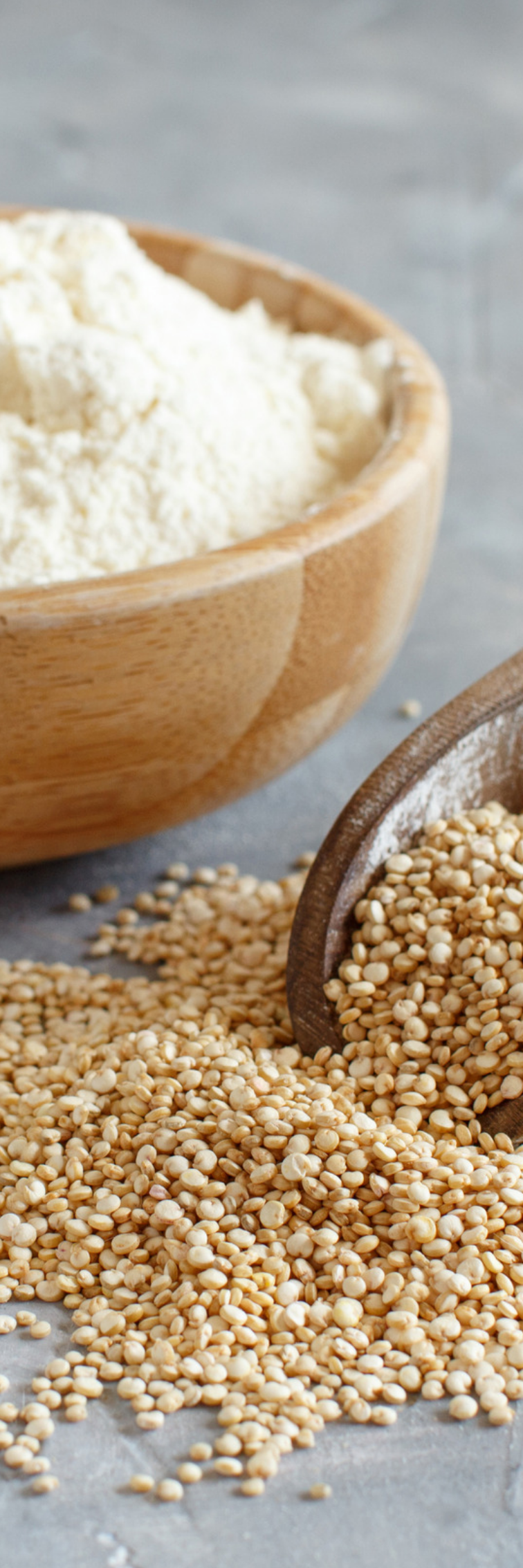
Quinoa is well known for its protein content and contains all nine essential amino acids. Whole grain quinoa flour also provides fiber and minerals, making it a nutritious addition to gluten-free baking.
Its slightly earthy flavor can be quite noticeable, so it often works best when combined with milder flours.
Best for: Savory muffins, flatbreads, pancakes, and gluten-free flour blends.
Does Gluten-Free Automatically Mean Easier to Digest?
Not necessarily!
This is one of the most important things to understand when choosing flour for a sensitive stomach.
Gluten and FODMAPs are two completely different things.
Gluten is a protein found in wheat, barley, and rye, while FODMAPs are certain carbohydrates that can trigger digestive symptoms in some people.
A flour can be gluten-free and still contain FODMAPs or other ingredients that cause digestive discomfort.
For example, almond flour, coconut flour, and chickpea flour are naturally gluten-free, but large portions may be poorly tolerated by some people with IBS.
Similarly, packaged gluten-free breads may contain added ingredients such as inulin, chicory root fiber, or certain sweeteners that can contribute to bloating.
So, if you're choosing gluten-free flour because of IBS rather than celiac disease, pay attention to the entire ingredient list and serving size rather than relying on the gluten-free label alone.
For celiac disease, gluten avoidance is essential, and naturally gluten-free ingredients should also be appropriately labeled or certified to protect against cross-contact.
Some of the naturally gluten-free grain flours sold by Country Life Foods, including the regular organic oat, buckwheat, and millet flours, are not certified gluten-free. Always check the individual product's allergen and certification information.
is freshly milled flour better for your gut?
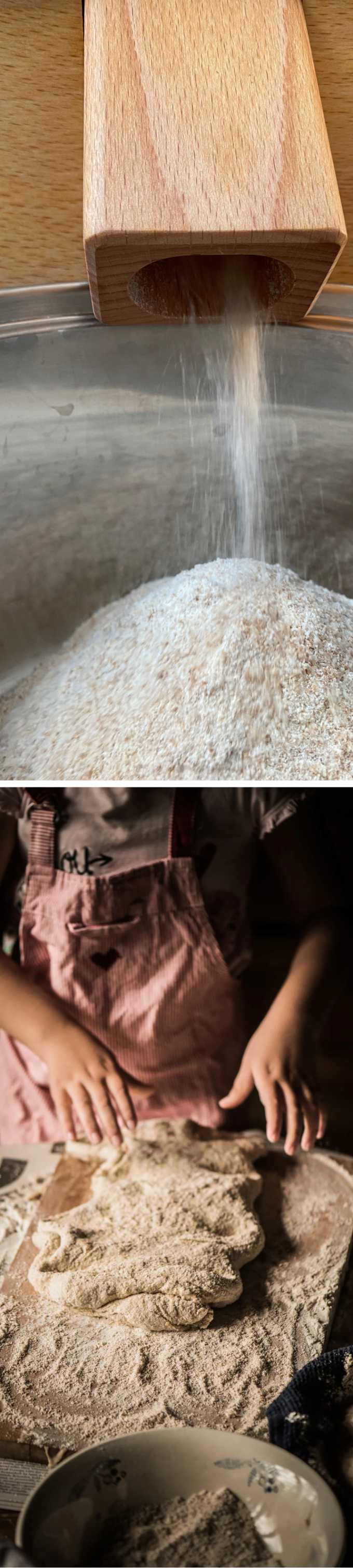
If you love the idea of eating foods as close to their natural form as possible, milling your own flour is something worth exploring.
While milling your own flour isn't a treatment for digestive conditions, there are some wonderful benefits to incorporating freshly milled whole grains into your kitchen.
1. Whole Grain Goodness
When you mill whole wheat berries and keep all the flour without sifting away the bran and germ, you're using the entire grain.
That means your flour contains the naturally occurring fiber, nutrients, and beneficial plant compounds found in whole wheat that are great for a healthy gut.
Commercially milled 100% whole wheat flour also contains the entire grain. The nutritional benefit comes mainly from choosing whole grain rather than refined flour, not from milling at home itself.
2. Freshness and Flavor
Once a grain is milled, more of its surface is exposed to oxygen. The natural oils found in the germ can gradually oxidize, affecting the flour's freshness, flavor, and storage life.
By milling only what you need, you can enjoy flour at its freshest, with a richer, nuttier flavor and aroma.
While freshly milled flour may offer advantages in freshness and flavor, there isn't strong evidence that it's inherently easier to digest than comparable commercially milled whole-grain flour.
3. You're in Control
One of the most appealing things about milling your own flour is knowing exactly what you're using. You choose the grain, decide how finely to grind it, and prepare the amount you need. You can also make your own flour blends.
For example, you could start with:
- Hard white wheat berries for milder-tasting whole wheat bread
- Hard red wheat berries for hearty, rustic loaves
- Einkorn berries for traditional ancient-grain baking
- Spelt berries for flavorful homemade bread
- Suitable gluten-free grains for wheat-free baking
Choosing high-quality organic grains is another way to align your baking with your food preferences.
4. Mill As You Need
Whole, intact grains generally store longer than flour because their natural protective structure remains in place.
Instead of keeping large quantities of ground flour in your pantry, you can store whole grains and mill smaller batches as needed.
This helps preserve freshness and can reduce unnecessary waste.
Ready to try it yourself?
Start with Organic Hard White Wheat Berries for mild whole wheat baking, or explore Organic Einkorn Berries for something a little different.
You can also read our Beginner's Guide to Fresh Milled Flour for more tips on choosing grains, selecting a mill, and getting started.
how to choose the best flour for your gut
With so many different options available, where should you start?
The answer depends on what you're hoping to achieve.
| Your goal | Flours worth considering |
|---|---|
| Increase whole-grain fiber and support general digestive health | Whole wheat, whole grain einkorn, whole grain spelt |
| Explore traditional and ancient wheat varieties | Einkorn and spelt |
| Add more soluble fiber | Oat flour |
| Avoid wheat and explore naturally gluten-free grains | Buckwheat, sorghum, millet, quinoa, brown rice |
| Follow a low-FODMAP eating plan | Suitable portions of oat, buckwheat, rice, millet, or sorghum flour |
| Explore traditionally fermented bread | Appropriately prepared spelt sourdough |
| Enjoy the freshness of home-milled whole grains | Wheat berries, einkorn berries, spelt berries, and suitable gluten-free grains |
| For diagnosed celiac disease | Always choose labeled gluten-free products, and avoid wheat, Einkorn, spelt, barley, and rye. |
customer testimony
We had the pleasure of interviewing Meredith from Barefoot and Aproned, and we thoroughly enjoyed our conversation.
Meredith discovered Country Life through a yard‑sale conversation about wheat‑berry lids! She strictly mills her own flour and follows a “no‑packaged‑food” kitchen philosophy.
In this interview, she shares her personal testimony about her celiac diagnosis at 18, and how she was healed to eventually be able to eat wheat through scripture and faith.
wholesome eating begins with simple, quality ingredients.
When it comes to gut health, there's a lot to love about whole grains.
Whole wheat, einkorn, and spelt offer fiber, nutrients, and delicious flavors that can make homemade baking both nourishing and enjoyable.
And for those who need to avoid wheat or gluten, there are plenty of naturally gluten-free alternatives, from mild oat flour to hearty buckwheat and sorghum.
Milling your own flour is another wonderful way to explore whole grains, enjoy fresh ingredients, and reconnect with the simple pleasure of making food from scratch.
At Country Life Natural Foods, we believe that wholesome eating begins with simple, quality ingredients.
Whether you're exploring ancient grains, experimenting with gluten-free baking, or ready to start milling your own flour, there are so many delicious possibilities to discover.
Explore Our Collection of Flours and Baking Ingredients
Disclaimer: This article is intended for general educational purposes and should not replace individualized medical advice. If you're experiencing persistent digestive symptoms, consult a healthcare professional or registered dietitian. The low-FODMAP diet is generally used as a structured elimination and reintroduction process rather than a permanent restrictive diet.




Comments