


VEGAN PROTEIN SOURCES ARE IN ABUNDANCE
"But how do you get your protein?"
"You need meat for strong bones and muscles!"
Sounds familiar?
Protein often becomes part of the conversation surrounding a plant-based diet—sometimes with uncertainty, sometimes with curiosity. And the same question tends to surface naturally:
Am I getting enough?
The reassuring truth is that plant-based foods offer an abundance of protein, often alongside fiber, minerals, and other nutrients that work together in ways that feel steady and sustaining.
It isn’t about chasing numbers. It’s about learning where nourishment lives and how to bring more of it into your everyday meals.
Be prepared to answer any questions or objections (or educate yourself) by actually understanding what protein is, how much you need, the difference between plant-based and animal protein, and the best sources to grow those strong muscles!
Let's get down to the basics of protein
What is Protein?
Protein is a macronutrient made up of amino acids and is an integral part of our diets. We need to eat enough protein every day to help maintain our health.
It is essential for optimal bodily functions, cell and tissue repair, and maintaining strong bones and muscles. Your mother was right; you do indeed need protein to grow!
Protein keeps us feeling fit, strong, and full, giving us the energy to get through the day.
How much protein do you need?
The recommended amount is between 10 and 35% of your daily calories, depending on your weight.
Or, according to Harvard Health Publishing, the RDA (recommended daily allowance) for protein is 0.8 grams per kilogram of body weight, and most Americans meet or exceed this.
So yes, protein is an essential part of our diet, but so are whole grains, vegetables, and fruits! We shouldn't think that protein is the main thing we need to eat.
Is vegan protein the same as animal protein?
There are 20 amino acids in proteins, and humans need to obtain nine of these essential amino acids from the food we eat to survive. We call them "complete" proteins, and the other 11 are considered non-essential.
Animal proteins are "complete" proteins that contain amino acid patterns similar to those of human cells, making them higher in biological value than plant proteins.
Whereas only a few plant-based proteins contain all nine amino acids. The rest are "incomplete" proteins, meaning they lack one or more of the nine essential amino acids.
This is no biggie, though, and does not mean plant-based proteins are second-class.
A varied, balanced vegan diet with various protein sources will provide adequate protein and the necessary amino acids. Your body maintains a pool of amino acids from each type of food you consume and will use them as necessary.
READ MORE: Complete vs. incomplete proteins: should vegans worry?
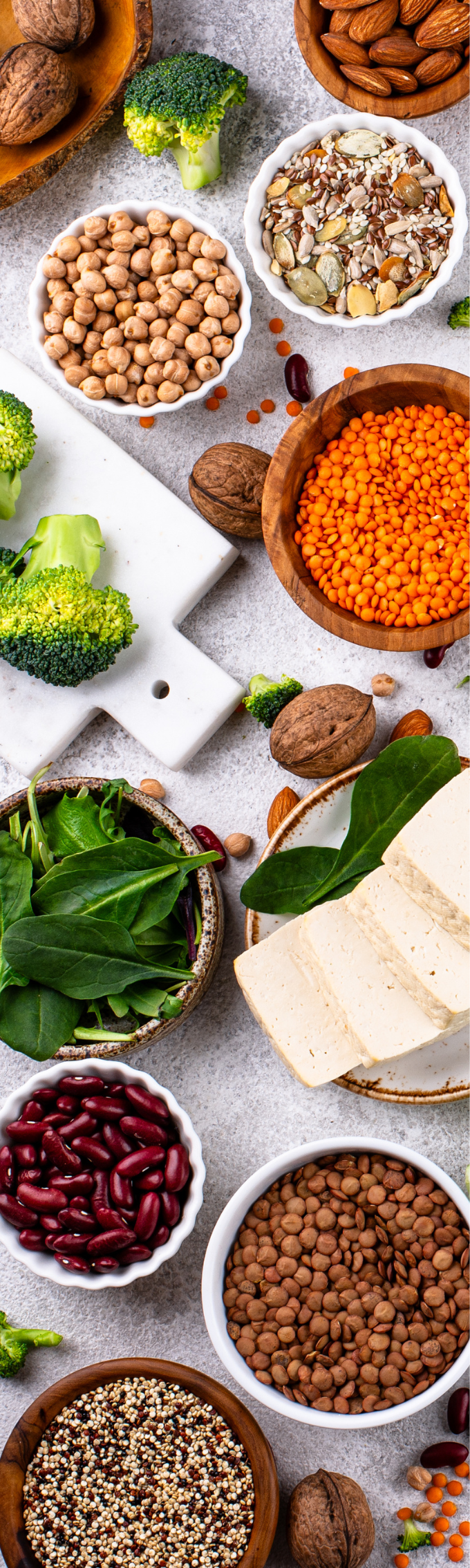
THE BEST VEGAN PROTEIN SOURCES
Soy Foods
------Despite the confusing information you might see online about soy, it's not harmful to your health. Soy is nutritionally dense and has many health benefits. Learn more about soy's health benefits
Soy is perhaps the best plant-based protein source and contains all the essential amino acids, making it a complete protein.
Soy varieties and their protein per 100g:
Tofu: 5 - 8 grams
Tempeh: 19 grams
Edamame beans: 11 grams
Soy curls: 33 grams (uncooked)
*These amounts may differ depending on the product brand
Pulses
------A pulse is an edible bean seed that grows in a fruit pod and includes all beans, lentils, peas, and legumes. They are all excellent low-fat and affordable sources of plant proteins and can be used in many ways in cooking.
Varieties and their protein per 100g:
Lentils: 8–9 grams (cooked)
Chickpeas: 9 grams (cooked)
Garden peas: 7 grams
Beans (black-eyed, butter, cannellini, kidney): 7–11 grams
*These amounts are averages and may differ depending on the product brand
Here is a list of the easiest beans to digest, making you less gassy and bloated
SEITAN
------Seitan is one of the best vegan protein sources. It is made from wheat gluten, which is the protein found in wheat.
It is a popular meat substitute among vegetarians and vegans because of its high protein content and meat-like texture.
This versatile vegan protein source can contain as much as around 20 to 30 grams of protein per 100 grams when cooked and is generally low in fat.
Seitan also contains iron, a mineral that is sometimes a concern in vegetarian and vegan diets.
Seeds
------Seeds are little powerhouses! They pack a punch of nutrients, including protein, magnesium, zinc, and omega-3 fatty acids.
Add them to your salads, smoothies, sandwiches, or eat them as a snack to increase the protein in any meal.
Pumpkin seeds: 5 grams protein per 30-gram serving
Chia seeds: 4.7 grams protein per 30-gram serving
Hemp seeds: 8 grams protein per 30-gram serving
*These amounts may differ depending on the product brand
Nuts
------Another great source of plant-based protein, albeit in smaller quantities, is nuts, and they also provide heart-healthy fats.
Enjoy nuts as a snack or add them to your morning breakfast, salads, and stir-fries.
Almonds: 1 oz. roasted almonds contain 6 grams of protein
Cashews: 1 oz. roasted cashews contain 4.5 g of protein
Pistachios: 1 oz. pistachios contain 6 grams of protein
Read more: 11 of the best to worst nuts for a keto diet
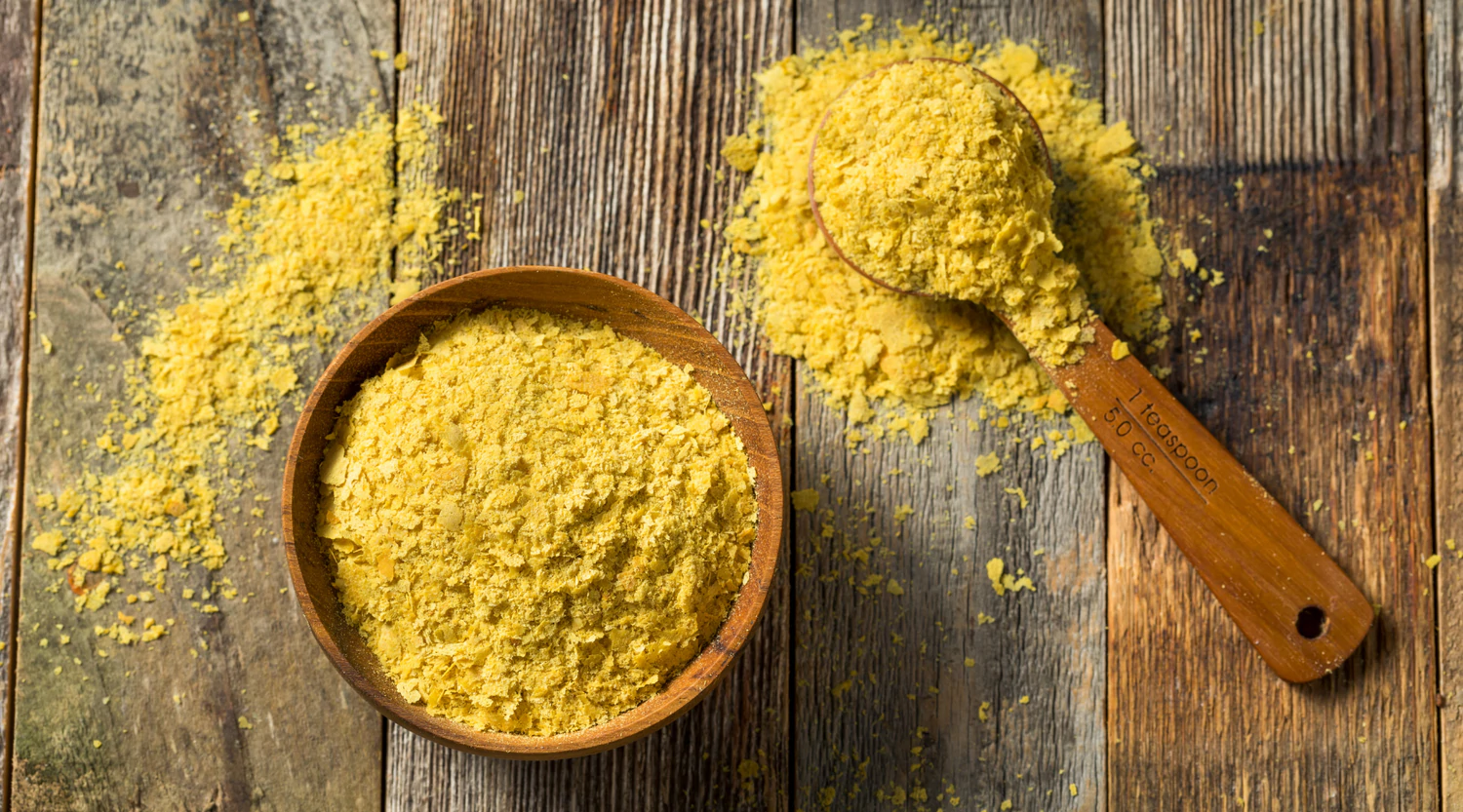
Nutritional Yeast
------Nutritional yeast is often overlooked as a source of protein. It has 9 grams of protein per 15-gram serving and contains all nine essential amino acids.
It's an excellent source of Vitamin B12, which is often in deficit in people who only eat a plant-based diet.
Add nutritional yeast to tofu or egg scramble, dips, sauces, or pasta, or as a topping to your popcorn.
Grains
------Grains may be primarily carbohydrates, but they also pack a protein punch!
For example, a cup of cooked barley adds 2.3 grams of protein to your meal.
Oats are another grain that provides protein, with 2.5-3 grams per serving. Top it off with some nut butter and soy milk, and you'll have a protein-packed plant-based meal!
Ancient grains like teff, millet, and amaranth are also excellent additions to your meals, increasing protein content.
QUINOA
------Quinoa deserves its own spot, as it is a complete plant-based protein source and high in fiber.
It provides almost 4.4 grams of protein per 100 grams (cooked).
It's easy to cook, tastes great, and is very versatile, as you can use it in many different ways, such as in oatmeal, baked goods, salad, or in place of rice.
Simple Ways to Add More Plant Protein to Your Day
Getting your protein on a plant-based diet is not at all difficult. Many of the foods you consume will provide adequate protein and fulfill the RDA.
It doesn’t need to be complicated. Often, it’s a matter of small additions:
- Stir hemp seeds or chia seeds into oats or smoothies
- Bulk soups, stews, and salads with lentils, beans, or soy products
- Swap rice for quinoa or whole grains in bowls
- Keep nuts and seeds on hand for simple snacks
- Use nut and seed butters in dressings or spreads.
- Flavor popcorn, soup, homemade sauces with nutritional yeast
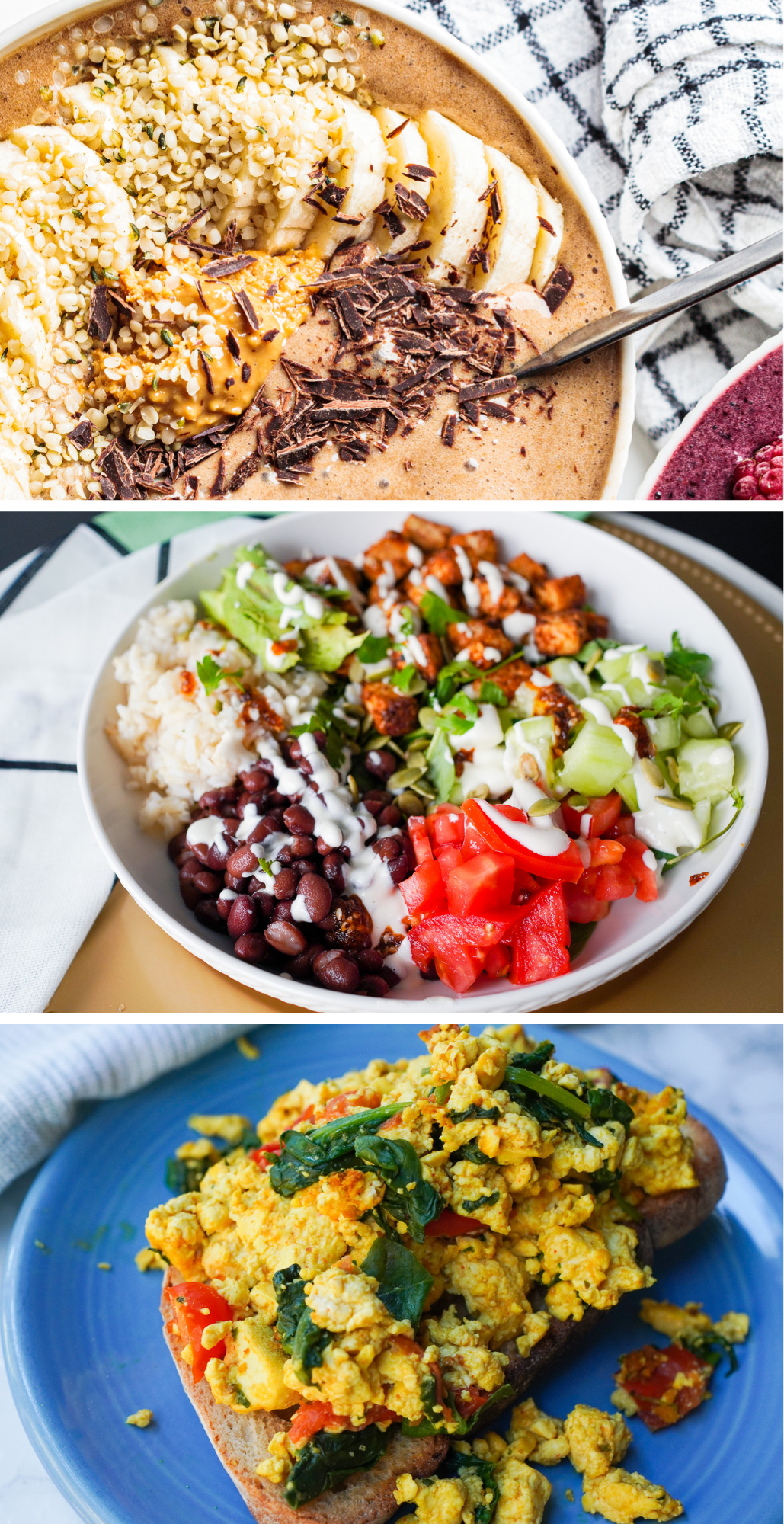
Have a look at our recipes for some yummy ideas!
Word of caution: If you experience constant symptoms of extreme fatigue, lack of energy, muscle weakness, disturbed vision, or feeling depressed, you may have a vitamin B deficiency.
Although uncommon, it can occur when you follow a vegan or plant-based diet and do not get enough vitamin B12 over a long period.


-v1654070789715.png?1800x1000)
-v1654071093144.png?1800x1000)


