same same, but different
Ever found yourself confused about the difference between wheat germ and wheat bran? We get that! They may sound and look the same but are actually two different ingredients with distinct properties, benefits, and uses.
And once you bring them into the kitchen, their differences become more noticeable.
Not just in how they nourish, but in how they behave in a recipe. The texture they add. The role they play. The way they shape something as simple as a muffin or a bowl of oatmeal.
But which one is best for you? Which one works best for baking?
Let's compare wheat germ vs. wheat bran below to find out!
Quick Answer: Wheat Germ vs. Wheat Bran
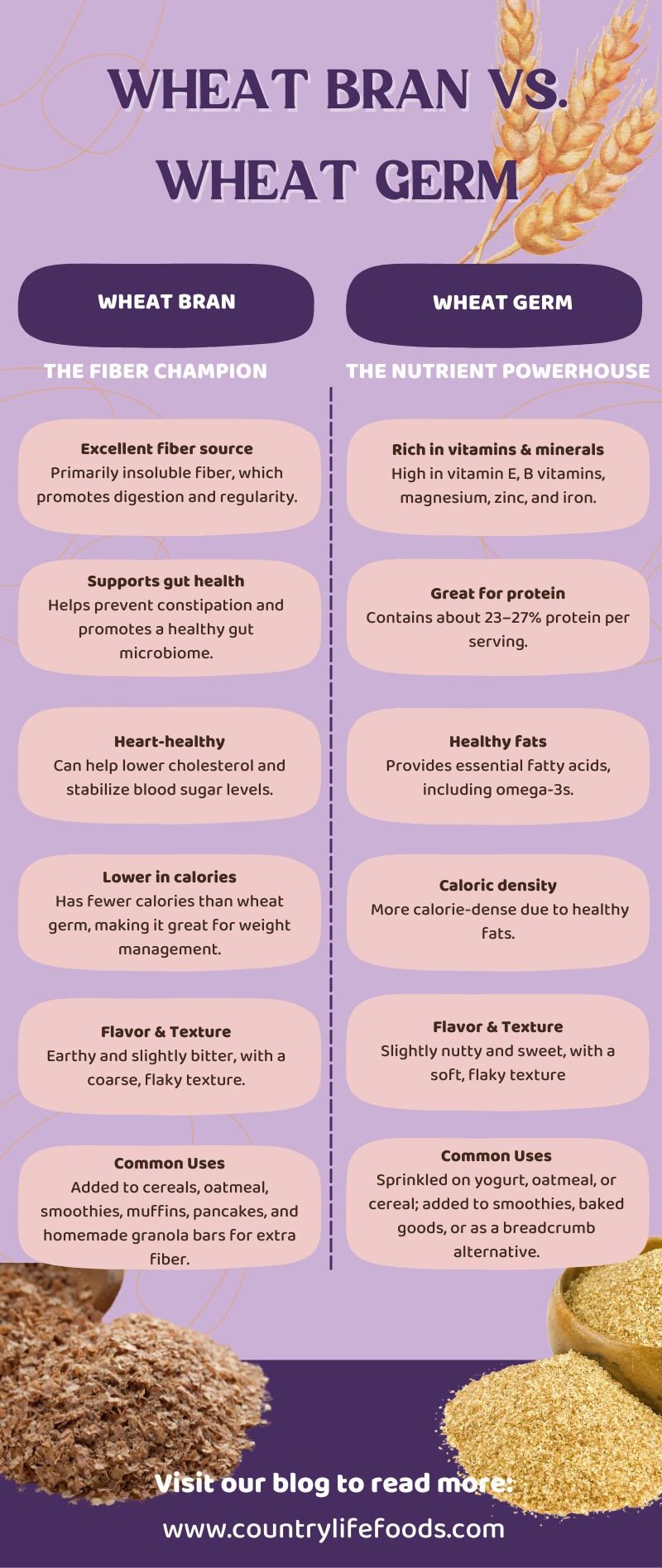
Wheat germ and wheat bran both offer excellent health benefits, but serve different purposes in nutrition and in your recipes.
Below is a quick recap of their differences, which we share more about in this blog post:
- If you need more fiber → Wheat Bran
- If you need more nutrients & protein → Wheat Germ
- If you’re looking for heart health & blood sugar control → Wheat Bran
- If you want overall nutrition, antioxidants & healthy fats → Wheat Germ
- If you prefer a nuttier, softer texture → Wheat Germ
- If you like a heartier, more fibrous texture → Wheat Bran
For a balanced diet, try using both wheat germ for added nutrition and wheat bran for fiber!
wheat germ vs. wheat bran - The differences
What Is Wheat Bran?
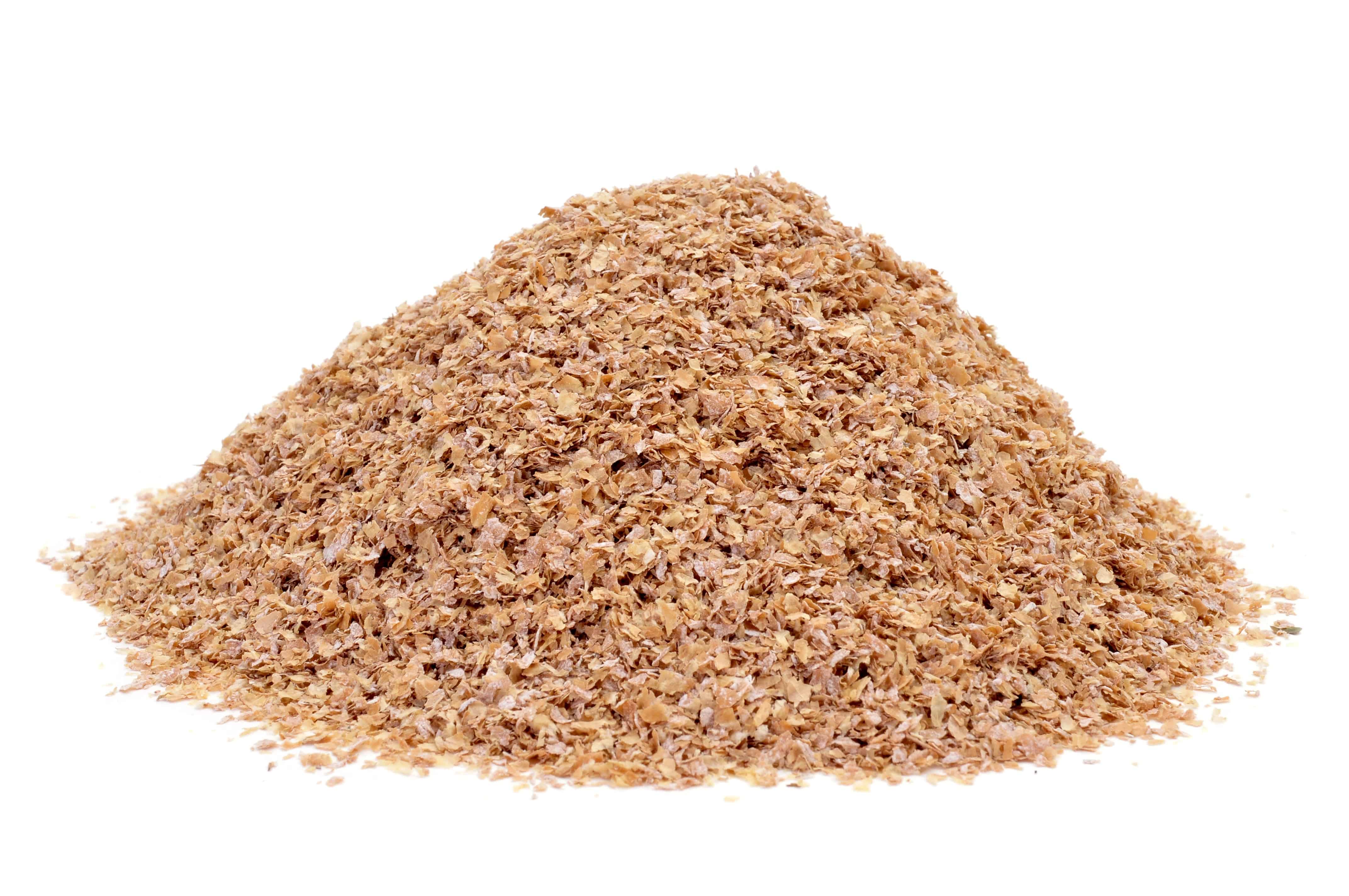
Wheat bran is the outer layer of the wheat kernel, the part that protects the grain as it grows.
It’s often removed during refining, but in its natural form, it carries something important: fiber.
What it offers nutritionally:
- Three times richer in fiber and has more niacin than wheat germ.
- Supports digestion and regularity
- Helps create a sense of fullness
What it offers in recipes:
- Sweet and nutty flavor with a flaky texture
- Gives muffins and breads a denser, rustic crumb
- Adds bulk and texture to baked goods
- Absorbs liquid, creating a more filling result
There’s a simplicity to wheat bran. It doesn’t try to be everything; it simply quietly supports one of the body’s most foundational processes.
What Is Wheat Germ?
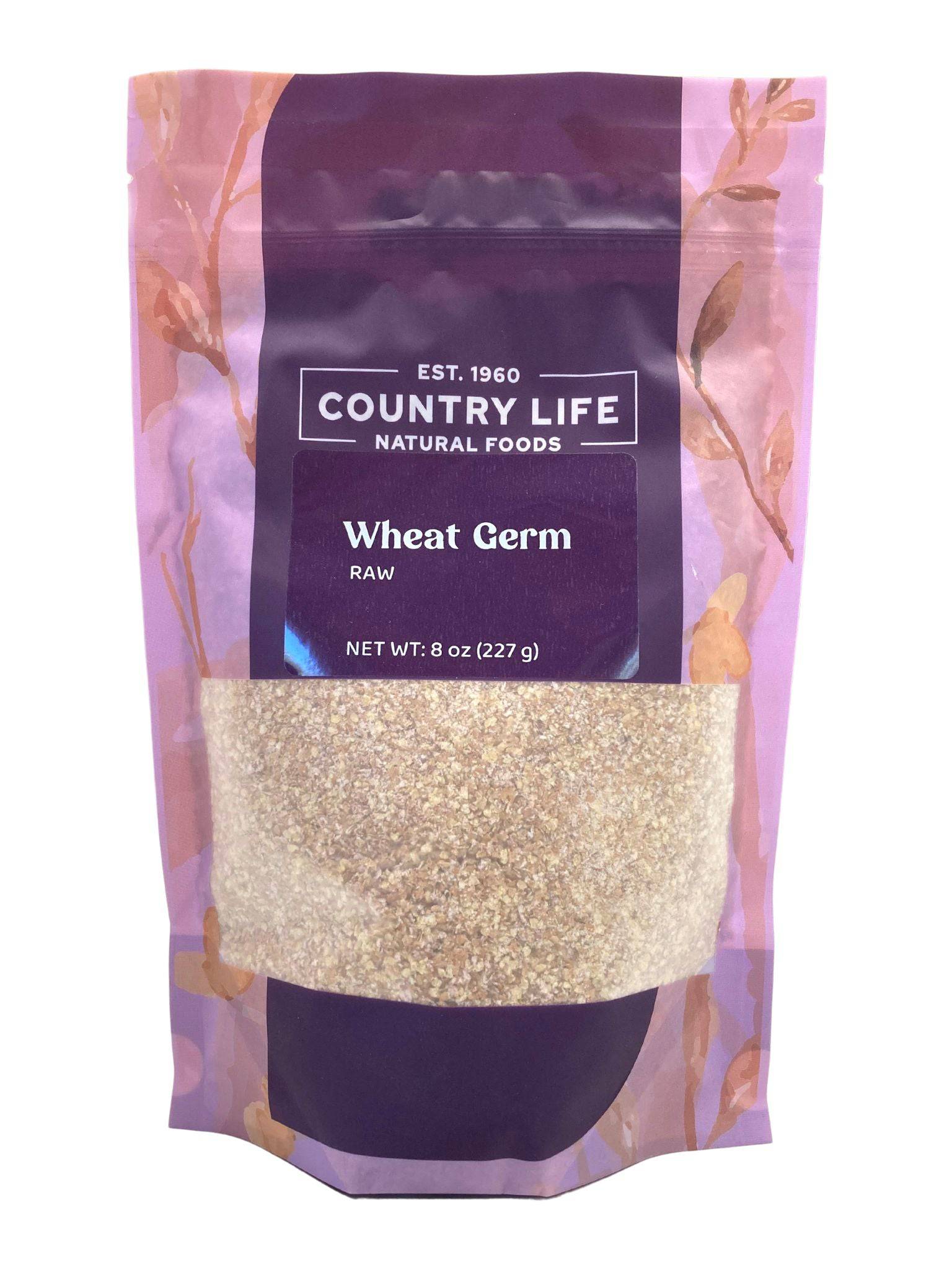
Wheat germ is the inner core of the wheat kernel—the part capable of sprouting into a new plant.
Because of this, it holds a dense concentration of nutrients meant to sustain life at its earliest stage.
What it offers nutritionally:
- Rich in vitamin E, vitamin B1 (thiamin), folate, and zinc.
- Contains healthy fats
- It is richer in protein than wheat bran
What it offers in recipes:
- Has a nutty, roasted flavor and a crunchy texture
- It doesn’t change the structure as much
- Blends smoothly into batters and mixtures
- Enhances without making things heavier
Wheat germ is often smaller in quantity but richer in what it carries.
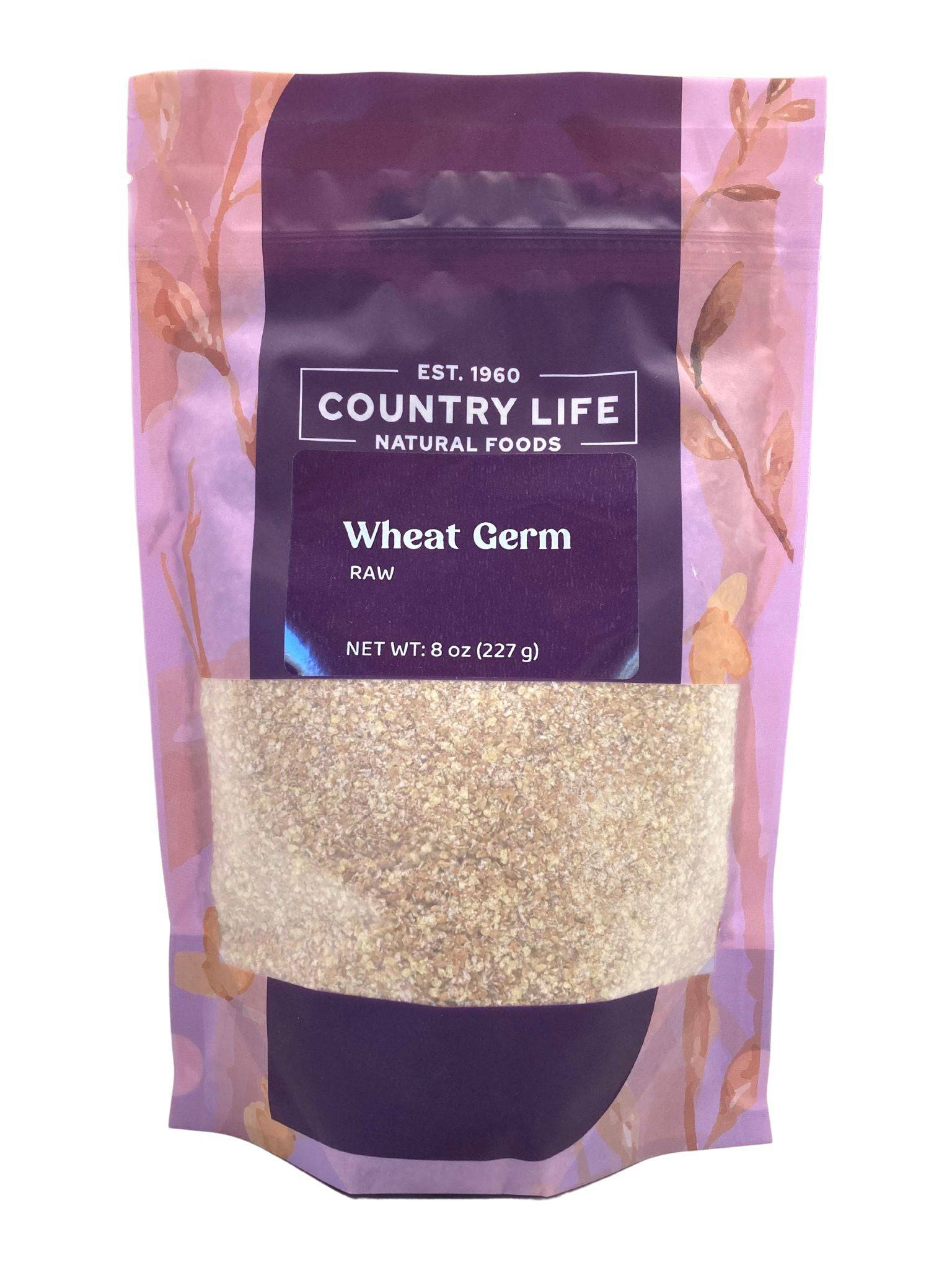
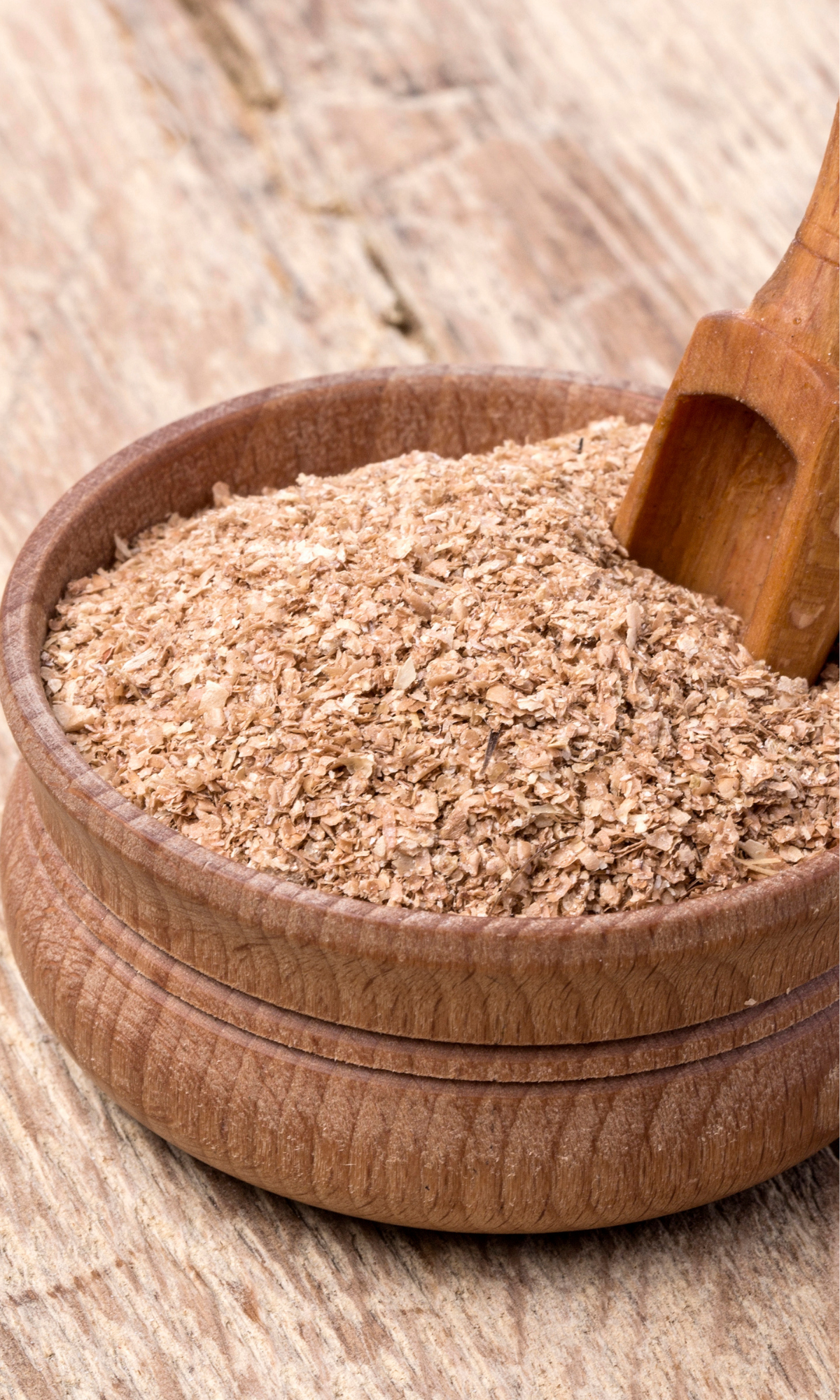
Health Benefits
Wheat bran
Being a rich source of dietary fiber, particularly insoluble fiber, wheat bran can:
- Promote digestive health and prevent constipation.
- Prevent or reduce the risk of colon diseases, stomach and breast cancer, gallbladder disease, and hemorrhoids.
- Wheat bran can also assist with high cholesterol, high blood pressure, and type 2 diabetes.
Wheat germ
- Thanks to its vitamin B content and zinc, it can boost immunity and fight viruses.
- Wheat germ also promotes heart health and healthy cholesterol levels due to its lower fat content than other plant food types.
- Vitamin E provides antioxidants that help fight free radicals that speed up aging.
- Its fiber content also assists with healthy digestion and constipation.
When to Use Wheat Bran
Wheat bran works best when you want your food to feel a little more substantial and when you want baked goods to be denser and heartier. It also adds a subtle sweet taste.
Try it in:
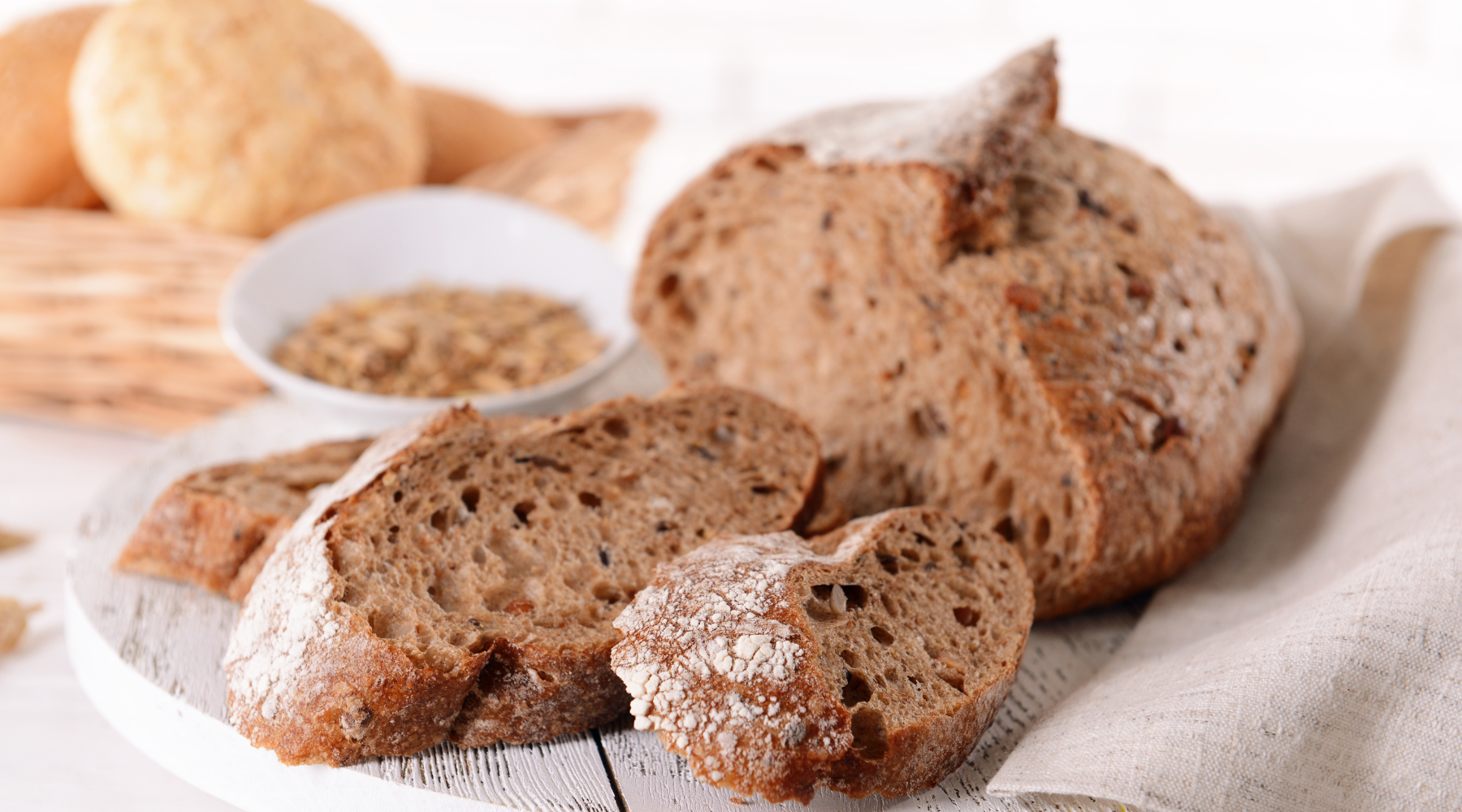
- Bran muffins, cookies, or hearty quick breads
- Whole-grain loaves
- Oatmeal or porridge for added texture
- Homemade granola
A small note:
Because bran absorbs liquid, recipes may need a bit more moisture when you add it.
Try this fiber-rich wheat bran muffin recipe!
When to Use Wheat Germ
Wheat germ is easier to incorporate into everyday meals without significantly changing the texture and density. It's also ideal to increase protein intake.
Try it in:
- Smoothies
- Yogurt or cereal
- Pancakes and waffles
- Soft baked goods like cake or banana bread
It’s often the simpler choice when you want to add something extra without adjusting the recipe too much.
-v1679313023263.png?1440x2000)
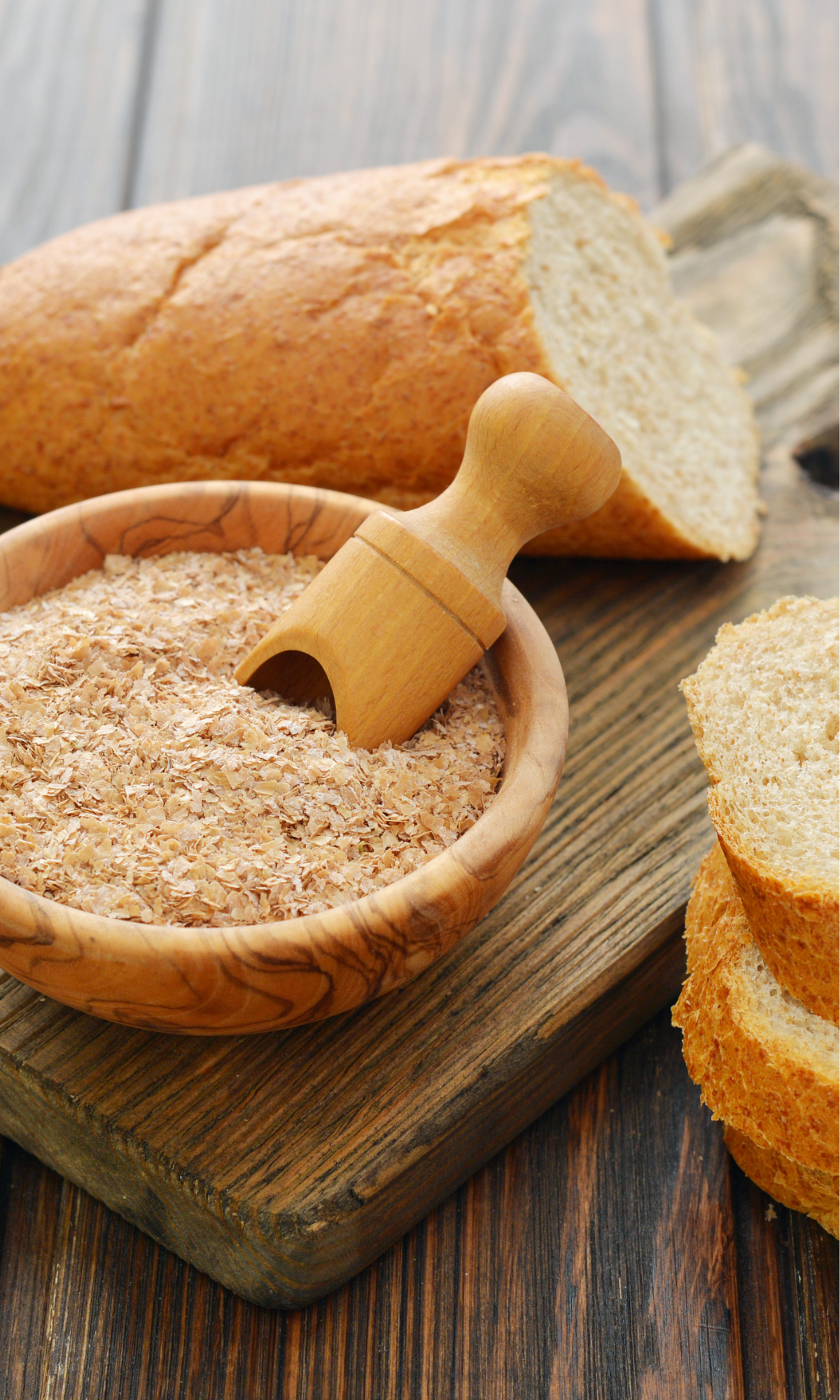
Substituting wheat germ and wheat bran
Since wheat germ and bran come from the same plant, their flavors are very similar. They can be used interchangeably in recipes and dishes.
Keep in mind that wheat bran is less flavorful, so you might have to adjust other ingredients in your recipe to compensate for the loss of flavor.
If you’re adapting a recipe:
- Replace up to ¼ cup of flour with wheat bran for a heartier texture
- Replace 2–3 tablespoons of flour with wheat germ for added richness
If you cannot find these two products in your local shop, have celiac disease or gluten allergies, or prefer a low-carb diet, you may search for alternative options.
Substitutes for wheat germ and wheat bran include:
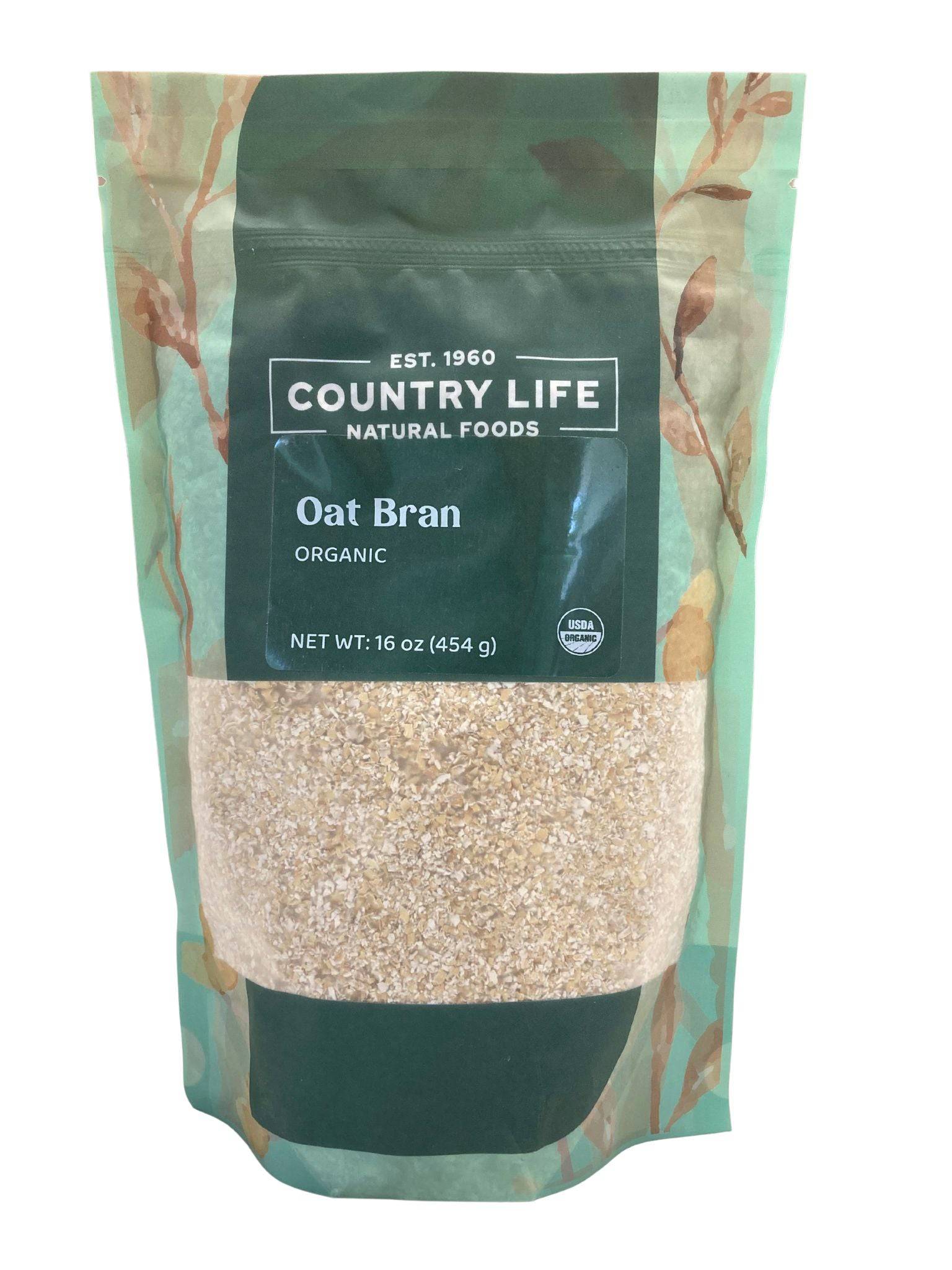
- Oat/rye/rice bran
- Ground flaxseed or flax meal
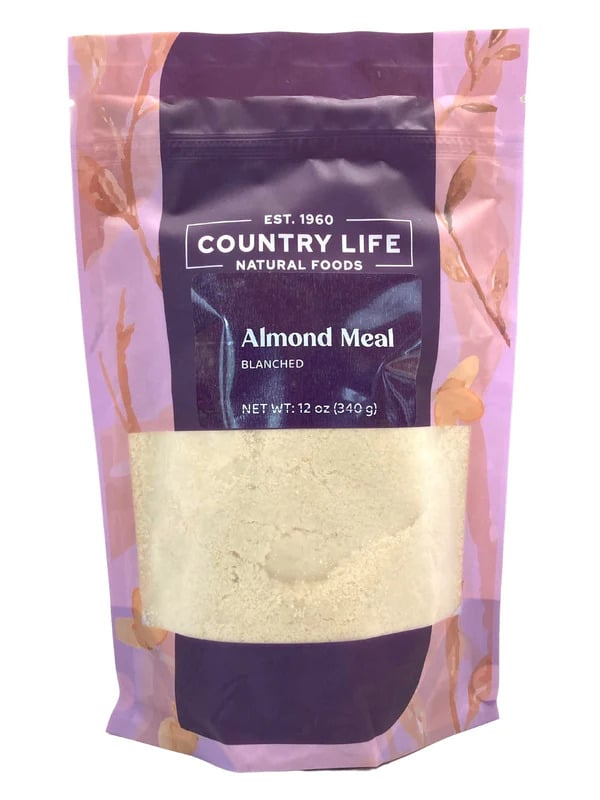
- Almond meal
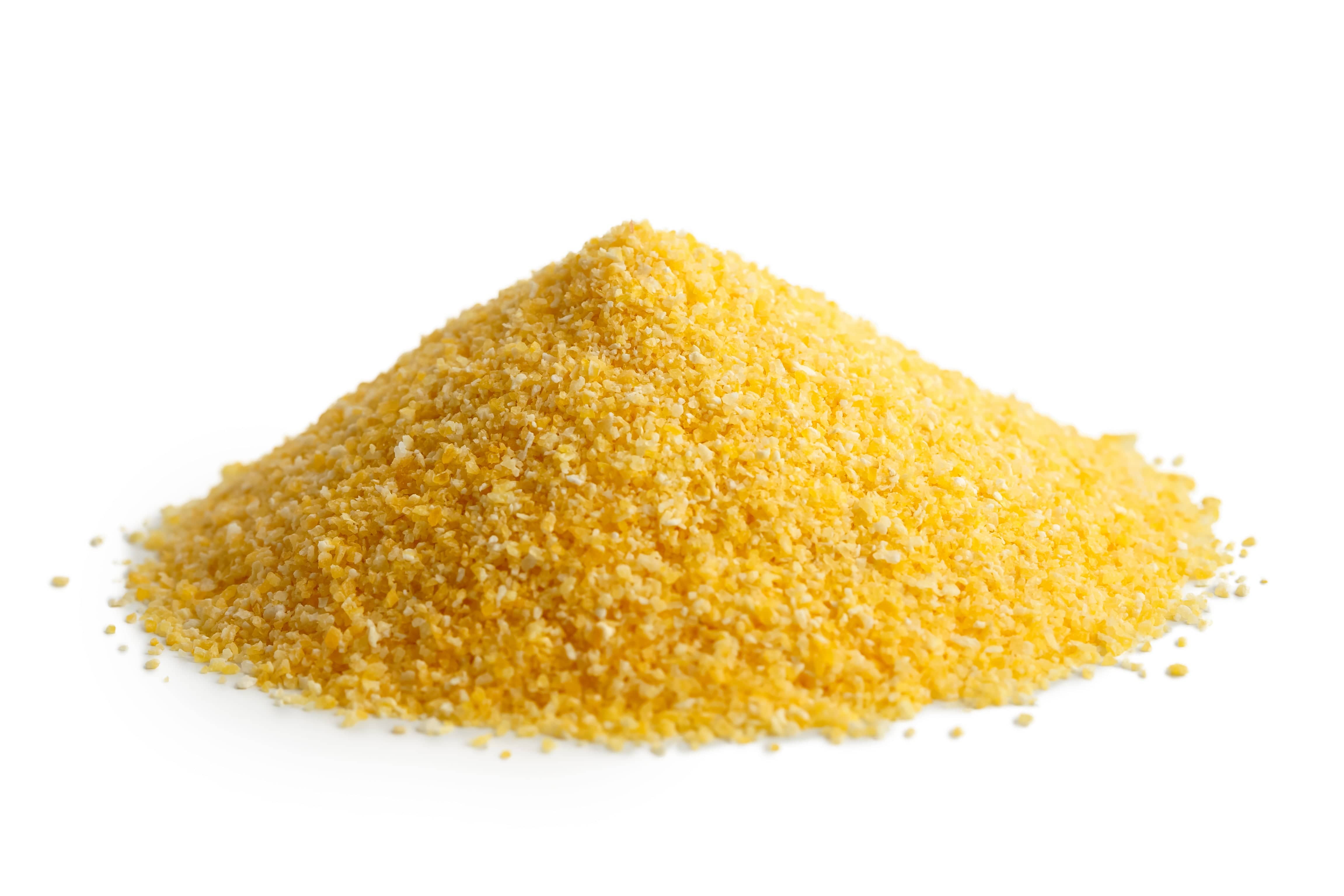
- Cornmeal
Wheat Germ vs. Wheat Bran: Q&A
Can you substitute wheat germ for wheat bran?
Yes, you can. But keep in mind wheat bran is much coarser and absorbs more liquid, while wheat germ is softer and blends more easily. So you may need to adjust the recipe.
Does wheat bran make baked goods dry?
It can, if there isn’t enough moisture in the recipe. Adding a little extra liquid usually helps.
Does wheat germ change the taste of recipes?
Only slightly. It adds a mild, nutty flavor.
Can you add these to recipes without adjusting anything else?
Wheat germ, usually yes.
Wheat bran sometimes requires a small liquid adjustment.
Which is easier to use daily, wheat germ or wheat bran?
Wheat germ, because it blends into more recipes without changing texture.
Which is better for digestion, wheat germ or wheat bran?
Wheat bran, because of its high fiber content.
Which is more nutritious overall?
Wheat germ contains a higher concentration of vitamins, minerals, and healthy fats.
Do wheat germ and wheat bran contain gluten?
Yes. Both come from wheat and are not suitable for a gluten-free diet.
Can you bake with both?
Yes. Many recipes include both for added texture and nutritional value.
Which is better for weight management?
Both can support it—bran helps with fullness, while germ contributes nutrients that support overall health.