

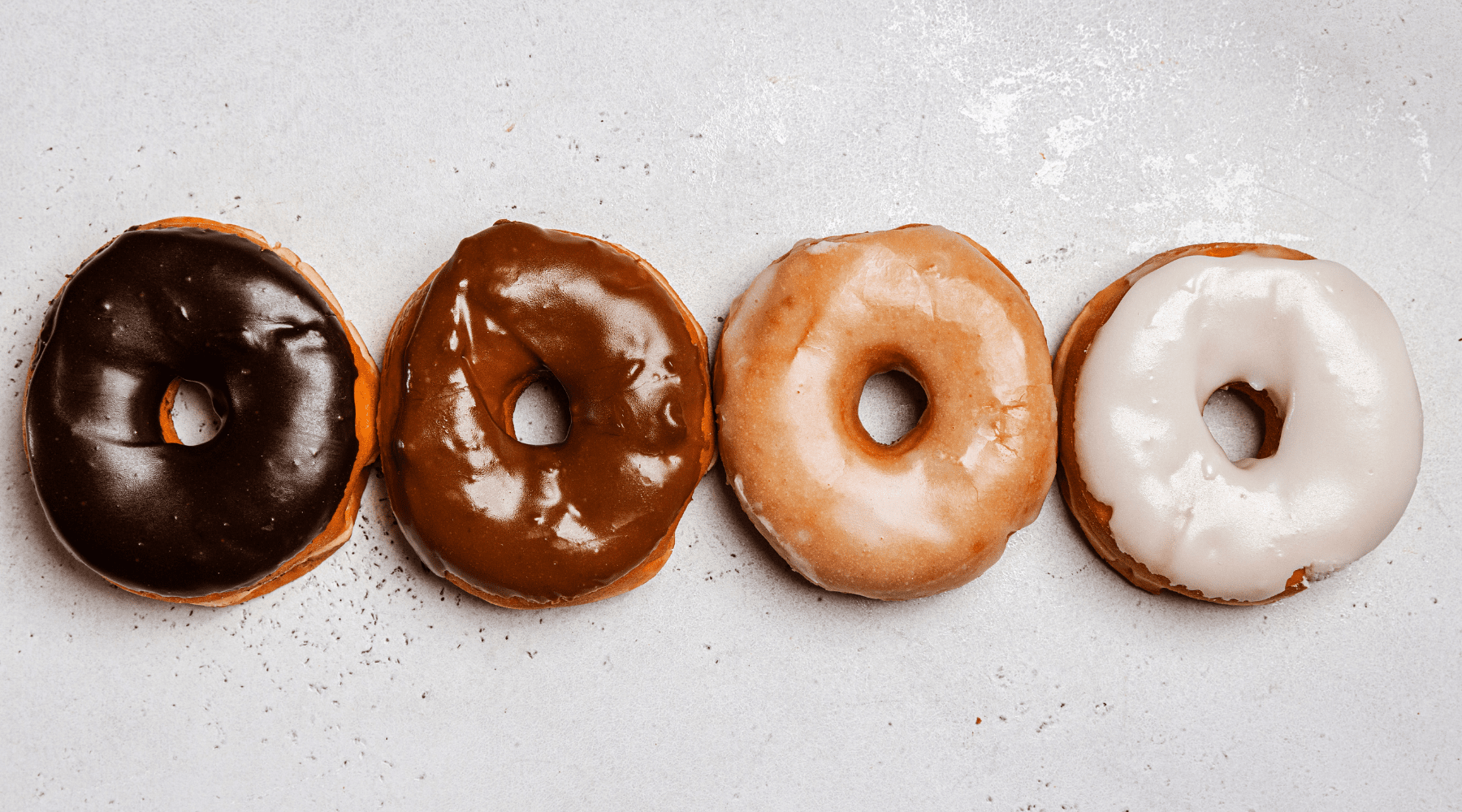
Cravings are often misunderstood. They're frequently framed as a lack of discipline or willpower, but science tells a very different story.
Cravings are complex signals influenced by biology, habits, emotions, hormones, sleep, stress, and environment. Sometimes they reflect physical needs. Often, they reflect learned patterns or emotional cues. Most of the time, it's a blend of several factors working together.
Understanding cravings with curiosity—not judgment—allows you to respond in ways that truly support your health.
Most importantly, cravings are information, not failure.
When you understand why cravings happen, you can respond with curiosity rather than frustration and support your body in ways that promote long-term health.
An Important Clarification
You may have heard statements like "chocolate cravings mean magnesium deficiency" or "bread cravings mean you need protein." While these ideas are popular in wellness culture, research shows that cravings rarely point directly to specific nutrient deficiencies.
There are a few exceptions (like ice cravings and iron deficiency). Still, for most foods, cravings are far more likely driven by habits, hormones, blood sugar balance, emotions, stress, and reward pathways in the brain.
That doesn't mean nutrition doesn't matter—it does. It simply means we need a broader, more accurate lens. Let's dive into it!
reasons you may experience cravings
habit-based cravings
------These develop when the body becomes accustomed to certain foods, especially sugar, refined carbs, caffeine, or ultra-processed snacks.
If you eat sweets daily, your body learns to expect them. Blood sugar spikes, dopamine is released, and the brain asks for the same reward again—often more strongly the next time.
Hormones That Regulate Hunger & Fullness
------Two key hormones, leptin (satiety) and ghrelin (hunger), play a significant role in appetite regulation. When these hormones are out of balance, the body may struggle to recognize fullness or accurately signal hunger, leading to stronger or more frequent cravings in some people.
hormonal shifts during pregnancy
------During pregnancy, rising hormone levels can heighten the senses of taste and smell. Foods may suddenly seem irresistible or completely unappealing. These intensified sensory changes can make cravings more frequent, specific, or unexpected.
Restriction & "Forbidden Food" Thinking
------Labeling foods as off-limits or trying to suppress the desire for certain foods often backfires. The more something feels forbidden, the more power it holds. This mental restriction can amplify cravings rather than reduce them.
Learned Food Associations
------The brain is excellent at making connections. Over time, certain foods become linked to specific experiences—like popcorn with movie nights or baked treats with holidays. When that situation arises again, the craving can be triggered automatically, even without physical hunger.
Mood-Driven Cravings
------Emotions can strongly influence appetite. Many people crave familiar or comforting foods during periods of sadness, loneliness, or emotional fatigue. These cravings often reflect a desire for comfort or grounding rather than an actual physical need for food.
stress and cortisol
------High stress levels can significantly increase cravings, especially for quick-energy foods. Stress hormones can disrupt blood sugar balance and appetite regulation, making cravings more intense and harder to ignore.
lack of sleep
------Sleep deprivation affects hunger-regulating hormones and increases the body's drive for fast fuel. When you're overtired, the body often seeks quick energy through sugar or refined carbohydrates.
Inadequate Hydration
------Mild dehydration can easily be mistaken for hunger. When fluid intake is low, the body may send hunger-like signals that feel like cravings, especially between meals.
not enough protein or fiber
------Protein and fiber are key to satiety. Meals that are low in either can leave you feeling unsatisfied, increasing the likelihood of snacking and cravings shortly after eating.
changes in physical activity
------Movement plays a role in appetite regulation. Even gentle movement, like walking, can help stabilize blood sugar and reduce cravings. On the flip side, moving less than usual may lead to more frequent hunger cues and cravings.
common cravings and how to address them
Chocolate
Commonly associated with:
- Stress
- Hormonal shifts (especially pre-menstrual)
- Emotional comfort and reward-seeking
Chocolate contains magnesium, but research suggests cravings are more strongly linked to pleasure, texture, mood, and cultural conditioning than true magnesium deficiency.
Helpful responses:
- Raw cacao in smoothies or energy bites
- Nuts and seeds
- Slowing down and addressing stress
Tip: Choose cacao over sugary chocolate bars to get the minerals without the crash.
Shop healthier chocolate alternatives here!
Sweets
Commonly associated with:
- Blood sugar dips
- Habitual sugar intake
- Inadequate meals (low fiber/protein)
- Fatigue, boredom, or emotional comfort-seeking
Rather than specific micronutrient deficiencies, sweet cravings usually reflect quick-energy demand and dopamine reward loops.
Helpful responses:
- Fruit paired with nuts or seeds, or some dried fruit
- Cinnamon to support blood sugar stability
- Regular, balanced meals
Ice
Strongly associated with:
- Iron deficiency (pagophagia)
- This is one of the few cravings with consistent scientific backing.
Helpful responses:
- Leafy greens, lentils, beans
- Pumpkin seeds
- Blackstrap molasses
- Pair iron-rich foods with vitamin C for absorption
Tip: If this craving is intense or persistent, consider checking iron levels.
Get your lentils and beans here
Dairy
Commonly associated with:
- Comfort, nostalgia, routine
- Texture and mouthfeel preferences
Calcium deficiency does not reliably cause dairy cravings. Most are habitual or emotional.
Helpful responses:
- Tahini, sesame seeds
- Kale, broccoli, bok choy
- Fortified plant milks
Tip: Calcium works best when paired with magnesium and vitamin K (found in greens).
Bread & Refined Carbs
Commonly associated with:
- Blood sugar fluctuations
- Stress
- Low satiety from meals
- Habitual refined-carb intake
The idea of a “nitrogen deficiency” is unsupported. This is about macronutrient balance, not specific deficits.
Helpful responses:
- Legumes and whole grains
- Adding protein and fat to meals
- Choosing fiber-rich and whole-wheat carbs
Tip: If bread cravings are constant, add more protein to meals.
Stock up on whole grains here!
Salty Foods
Commonly associated with:
- Stress and cortisol shifts
- Dehydration
- Habit and taste conditioning
True sodium deficiency is rare outside extreme conditions.
Helpful responses:
- Hydration
- Mineral-rich whole foods (celery, tomatoes, leafy greens)
- Stress management
Tip: Chronic stress increases salt cravings—rest matters too.
Coffee
Commonly associated with:
- Sleep deprivation
- Habitual caffeine reliance
- Stress
“Adrenal fatigue” is not a recognized medical diagnosis. Cravings here are about energy regulation, not adrenal failure.
Helpful responses:
- Prioritizing sleep
- Balanced meals
- Herbal teas for gentle stimulation
Tip: Try replacing the second cup of coffee with mineral-rich tea.
Pre-Menstrual Cravings
Commonly associated with:
- Hormonal and serotonin fluctuations
- Stress and fatigue
While minerals like magnesium or zinc may support overall health, PMS cravings are not reliably caused by single-nutrient deficiencies.
Helpful responses:
- Regular meals
- Complex carbs + protein
- Gentle movement and rest
Tip: Zinc needs increase slightly during the luteal phase of the cycle.
the brain-gut connection in cravings
Recent research shows that cravings are shaped not only by willpower or nutrients but also by brain chemistry and gut health.
Highly palatable, processed foods strongly activate the brain’s dopamine reward pathways, reinforcing patterns of anticipation and desire over time. At the same time, the gut microbiome—the trillions of bacteria living in the digestive tract—plays a role in appetite regulation and food preference.
Diets high in sugar and refined foods tend to reduce microbial diversity, which may amplify cravings for quick-energy foods like sweets.
In contrast, a diverse, fiber-rich, plant-based diet supports a healthier microbiome, steadier blood sugar, and more balanced appetite signals.
Over time, this can help cravings feel quieter and more manageable rather than urgent or overpowering.
how to retrain your cravings
The good news? Cravings are not permanent.
Here's how to gently reset them:
1. Eat Balanced Meals
Every meal should ideally include:
- Whole carbohydrates (whole grains, vegetables)
- Plant protein (beans, lentils, nuts, seeds)
- Healthy fats (avocado, seeds, olive oil)
This stabilizes blood sugar and reduces urgent cravings. Try this balanced wheat berry chili bowl!
2. Replace, Don't Restrict
Instead of removing foods entirely, offer better alternatives:
- Chocolate → carob-coated almonds
- Candy → dates with nuts
- Cookies or crisps → Freeze-dried fruit or soya sticks
- Sugary cereal → oats with fruit and seeds
These date snickers are a mouthwatering sweet snack!
3. Feed First, Then Decide
Before reaching for a snack, ask:
"Have I eaten enough nourishing food today?"
Often, cravings disappear after a nourishing meal, protein-rich snack, or proper hydration
4. Expect a Transition Phase
As your body adjusts, cravings may temporarily increase, and your energy may dip slightly. This is normal and passes.
You're not failing—you're recalibrating.
5. Prioritize Rest & Stress Reduction
Poor sleep and chronic stress increase hunger hormones and reduce impulse control. It also intensifies cravings for sugar and caffeine.
Sometimes what your body truly needs is rest, not food
a healthier mindset around cravings
Instead of: "I shouldn't crave this."
Try:
"What has my body been trained to expect, and what would truly nourish me right now?"
Over time, your cravings will naturally shift toward foods that energize, balance, and satisfy you.
If a craving persists, acknowledge it and indulge in it mindfully. We should enjoy life after all!
When to Dig Deeper
If cravings are intense and persistent or accompanied by symptoms such as fatigue, dizziness, hair loss, or mood changes, it’s wise to consult a healthcare provider to rule out conditions such as anemia or thyroid imbalance.
Start stocking up on healthier alternatives today with our Country Life + program!
Unlock More with Country Life Plus
- ✓ Free shipping on all orders — no minimum required
- ✓ Exclusive member-only sales and monthly deals
- ✓ 4% cashback on every dollar you spend
Unlock More with Country Life Plus


