A good seasoning blend can be one of the easiest ways to transform a simple meal.
A sprinkle of herbs and spices can turn roasted vegetables into something you actually look forward to eating, give beans and grains a serious flavor upgrade, or make tofu and plant-based proteins anything but boring.
But have you ever turned over your favorite seasoning bottle and actually read the ingredient list?
Depending on the blend, you might find exactly what you expected—salt, garlic, onion, herbs, and spices. Or you might spot sugars, flavor enhancers, anti-caking agents, colors, allergens, and ingredients you’ve never thought much about before.
That doesn’t automatically make a seasoning “bad.” Food labels are there to help you understand what you’re eating, and knowing how to read them makes it much easier to choose products that suit your tastes, dietary needs, and health goals.
So, what is in seasoning blends, and what should you pay attention to when comparing them?
Let’s turn that little ingredient panel around and take a closer look!
start with the ingredient list
One of the simplest ways to understand any seasoning blend is to read the ingredients from top to bottom.
In the United States, packaged foods generally list ingredients in descending order by weight. That means the first ingredient makes up more of the product than the ingredients appearing later on the list.
Imagine two taco seasonings:
Blend A:
Salt, sugar, maltodextrin, paprika, spices, garlic powder.
Blend B:
Paprika, cumin, garlic, onion, oregano, chili powder, sea salt.
Neither ingredient list tells you everything about how the blend will taste or whether it fits your diet, but they do tell you something about how each product is formulated.
If salt or sugar appears first, for example, the blend may contain considerably more of it than one where herbs and spices dominate the beginning of the ingredient list.
The goal isn't necessarily to find the shortest ingredient list possible. It’s to understand what the ingredients are and why they're there.
1. Look at the Sodium
Salt is an important part of cooking. It doesn't simply make food salty—it enhances other flavors and can help bring a dish together.
And there is nothing unusual about finding salt in a seasoning blend. What matters is understanding how much you’re getting.
If salt is the first ingredient, it likely makes up a substantial portion of the blend.
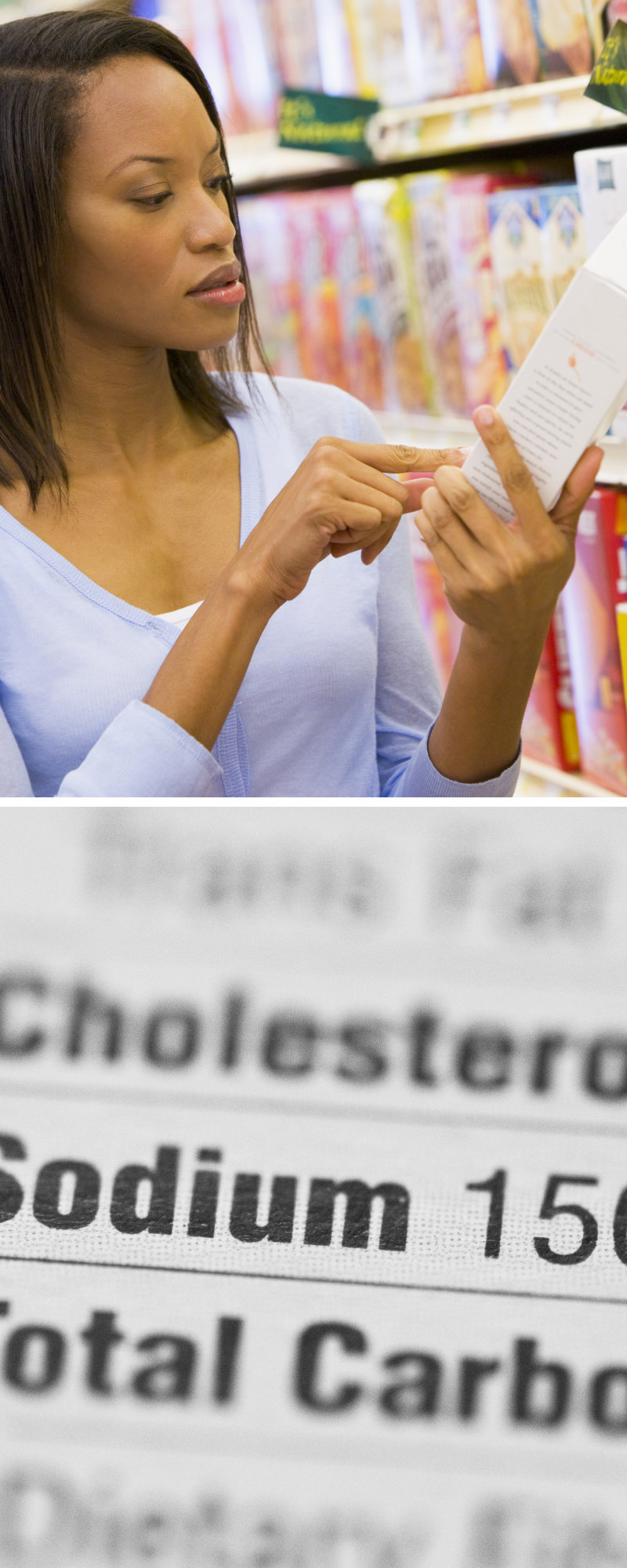
Then check the Nutrition Facts panel for:
- Serving size
- Milligrams of sodium per serving
- Percent Daily Value (%DV)
This becomes useful when comparing similar products.
A seasoning blend that already contains plenty of salt may mean you need little or no additional salt in your recipe. On the other hand, a salt-free herb and spice blend gives you more control over how much salt you add yourself.
Neither approach is necessarily better—it depends on how you cook and what works for your dietary needs.
2. Look for Added Sugars
Sugar might not be the first ingredient you expect to find in your spice cabinet, but it can show up in barbecue rubs, taco seasonings, chili blends, sweet-and-savory spice mixes, and other prepared seasonings.
It may appear under names such as:
- Sugar
- Cane sugar
- Brown sugar
- Dextrose
- Glucose
- Corn syrup solids
- Maltodextrin
*Maltodextrin is technically a starch-derived carbohydrate rather than a simple added sugar, but it is sometimes used as a carrier, bulking ingredient, or to improve the texture and flow of powdered foods.
A small amount of sweetness can be completely intentional—it helps balance salt, heat, acidity, and bitterness in many recipes.
But if you are specifically trying to reduce added sugars, check both the ingredient list and the Nutrition Facts panel rather than assuming a savory seasoning is sugar-free.
On U.S. Nutrition Facts labels, added sugars are listed separately so you can see how much a serving contributes to your diet.
4. What About MSG?
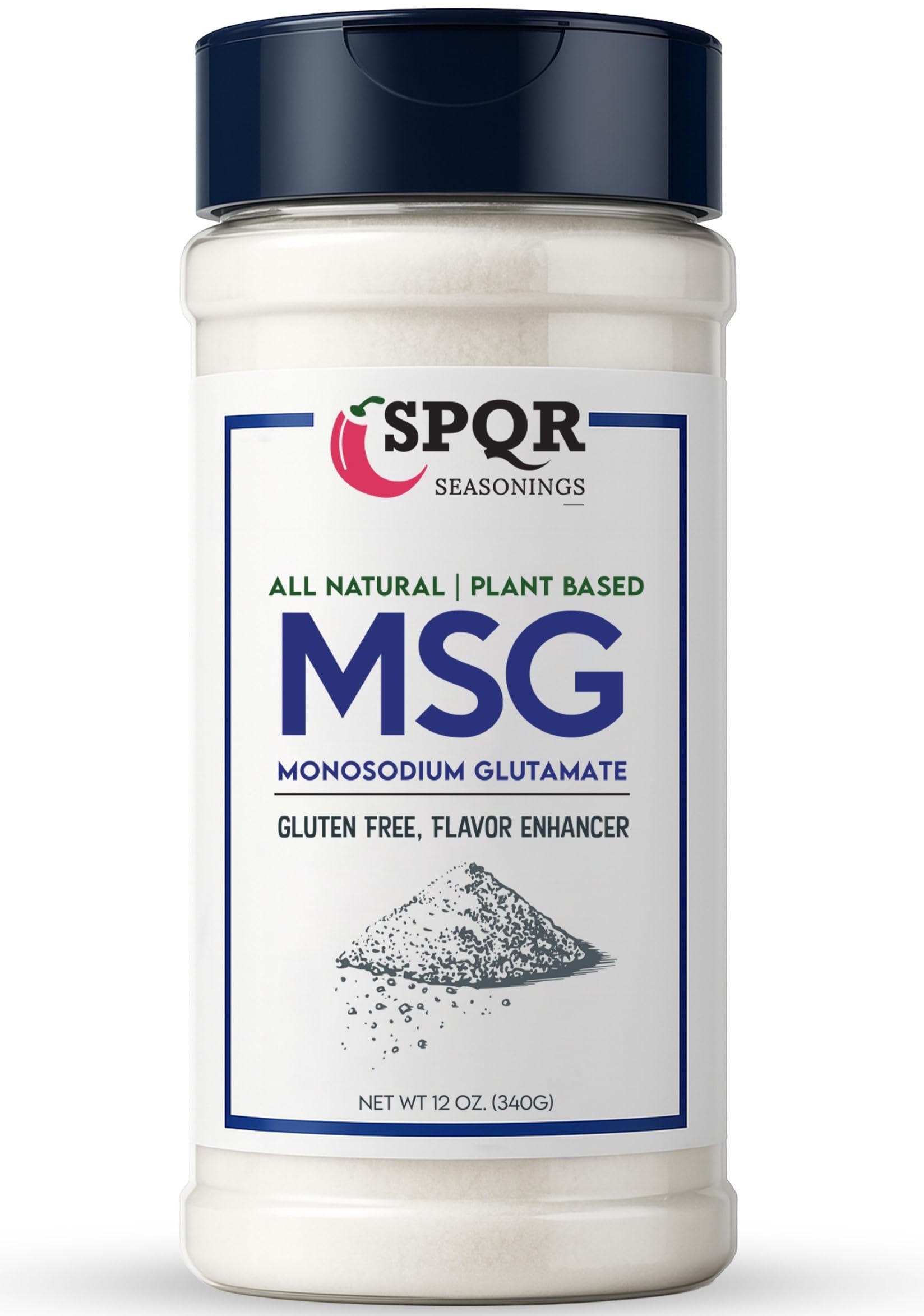
Few seasoning ingredients get as much attention as monosodium glutamate, better known as MSG.
MSG is used to enhance umami, the deeply savory taste naturally associated with foods such as tomatoes, mushrooms, seaweed, and fermented foods.
Despite its reputation in some wellness circles, MSG itself isn't an ingredient that everyone needs to avoid. The FDA considers added MSG to be “generally recognized as safe” (GRAS).
Importantly, added MSG also cannot simply be hidden on a U.S. ingredient label under the words “spices” or “flavoring.” If MSG has been added to a food, the FDA requires it to appear in the ingredient list as monosodium glutamate.
You may also see ingredients such as:
- Yeast extract
- Hydrolyzed yeast
- Autolyzed yeast
- Hydrolyzed vegetable protein
- Soy extracts
- Protein isolates
These ingredients can naturally contain free glutamate, which contributes savory umami flavor, but that is not the same thing as secretly adding an ingredient called MSG.
For label-conscious shoppers, the most useful approach isn't to panic when you see an unfamiliar ingredient. Instead, ask: What is it? Why is it being used? And does it fit what I'm looking for?
5. Yeast Extract and Nutritional Yeast
These two ingredients can sound similar, but they aren't interchangeable.
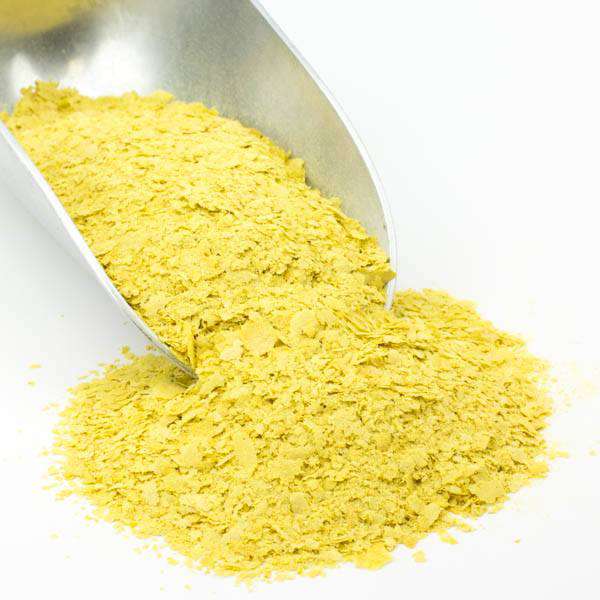
Nutritional yeast is an inactive yeast commonly used in plant-based cooking for its savory, nutty, almost cheesy flavor. You'll often find it sprinkled over popcorn, pasta, vegetables, potatoes, tofu, or grain bowls.
It can also be used as part of a seasoning blend to add depth and savory flavor.
Yeast extract, meanwhile, is a concentrated ingredient made from yeast and commonly used to enhance savory flavor.
Both can contribute umami, but they're different ingredients with different culinary uses.
For plant-based cooks in particular, nutritional yeast can be an incredibly useful pantry staple because it adds savory flavor without dairy.
6. Don't Automatically Fear Anti-Caking Agents
Have you ever had a jar of garlic powder or seasoning turn into one solid lump?
Powdered ingredients naturally absorb moisture, which is why some manufacturers add anti-caking agents to help seasoning remain loose and easy to sprinkle.
Depending on the product, you might see ingredients such as silicon dioxide or calcium compounds used for this purpose.
Seeing an unfamiliar scientific-sounding name doesn't automatically mean an ingredient is unsafe or unhealthy. Food additives permitted for use in the United States are regulated for their intended uses, and additives serve functions ranging from preservation to texture, color, and preventing clumping.
If you prefer seasonings without anti-caking agents, that's also perfectly reasonable—just know that your spices may clump a little more easily, especially in humid kitchens.
7. Artificial Colors and Flavors
Some seasoning blends contain added colors to create a more consistent or intense appearance.
You'll usually find these listed toward the end of the ingredient panel.
FDA-certified color additives must be declared on food labels, while certain other colors may be listed more generally depending on how they are regulated.
Similarly, you may see terms such as natural flavor or artificial flavor.
Whether you choose products containing these ingredients is largely a matter of your own priorities.
If you prefer a seasoning where most of the flavor and color comes directly from herbs, spices, vegetables, and other recognizable pantry ingredients, checking the ingredient list makes that much easier.
8. Watch for Allergens
A seasoning bottle might not be the first place you think to look for allergens, but blends can contain ingredients such as:
- Milk or dairy ingredients
- Wheat
- Soy
- Sesame
- Tree nuts
- Peanuts
Ranch-style blends, creamy seasonings, bouillon powders, and specialty blends are especially worth checking if you have food allergies or intolerances.
And don't stop at the main ingredient list.
Also look for statements such as “Contains”, “May contain”, or information about other allergens handled in the same manufacturing or packing facility.
This is particularly important for people with serious food allergies.
9. What Are Fillers and Carriers?
Some seasoning blends contain starches or other ingredients that don't necessarily provide the primary flavor.
These may be used to:
- Create consistent texture
- Carry flavors
- Prevent clumping
- Add bulk
- Help seasoning distribute more evenly
Ingredients such as starches, flour, or maltodextrin aren't automatically signs of a poor-quality seasoning.
Context matters.
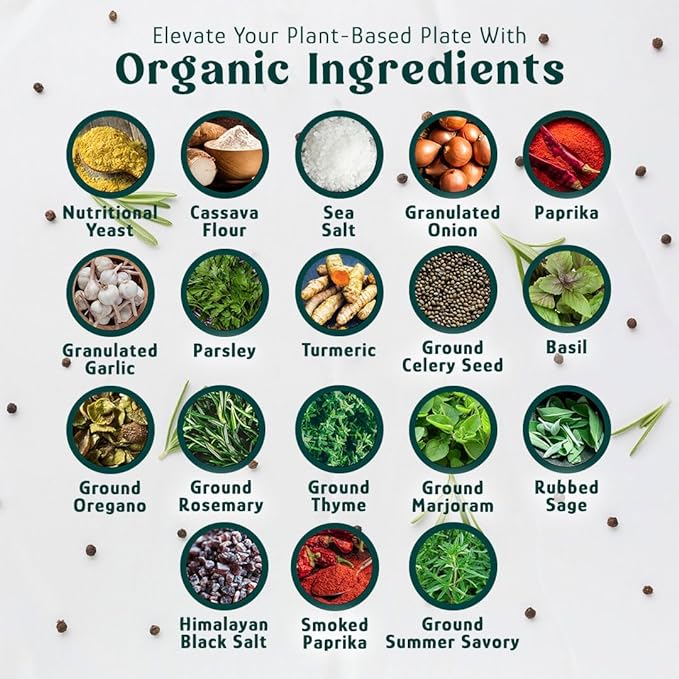
For example, cassava flour appears in our Country Life Organic Not Chicken Seasoning alongside sea salt, nutritional yeast, onion, paprika, garlic, turmeric, parsley, celery seed, and a variety of herbs.
Rather than judging one ingredient in isolation, look at the whole ingredient list and how the product is intended to be used.
10. Short Isn't Always Better
We often hear advice to choose foods with the fewest possible ingredients.
Sometimes that can be helpful. But consider a seasoning containing:
Garlic, onion, paprika, turmeric, parsley, celery seed, savory, basil, rosemary, thyme, oregano, marjoram, and sage.
That's a fairly long ingredient list and it's mostly just a wonderful collection of herbs and spices.
Meanwhile, another product might contain only: Salt, sugar, artificial flavor.
Not necessarily the product you'd personally prefer.
Instead of counting ingredients, read them.
Ask yourself:
- Do I recognize most of these ingredients?
- Does this product contain something I'm trying to limit?
- How much sodium or added sugar?
- Are herbs and spices actually prominent in the blend?
what a simple seasoning blend can look like
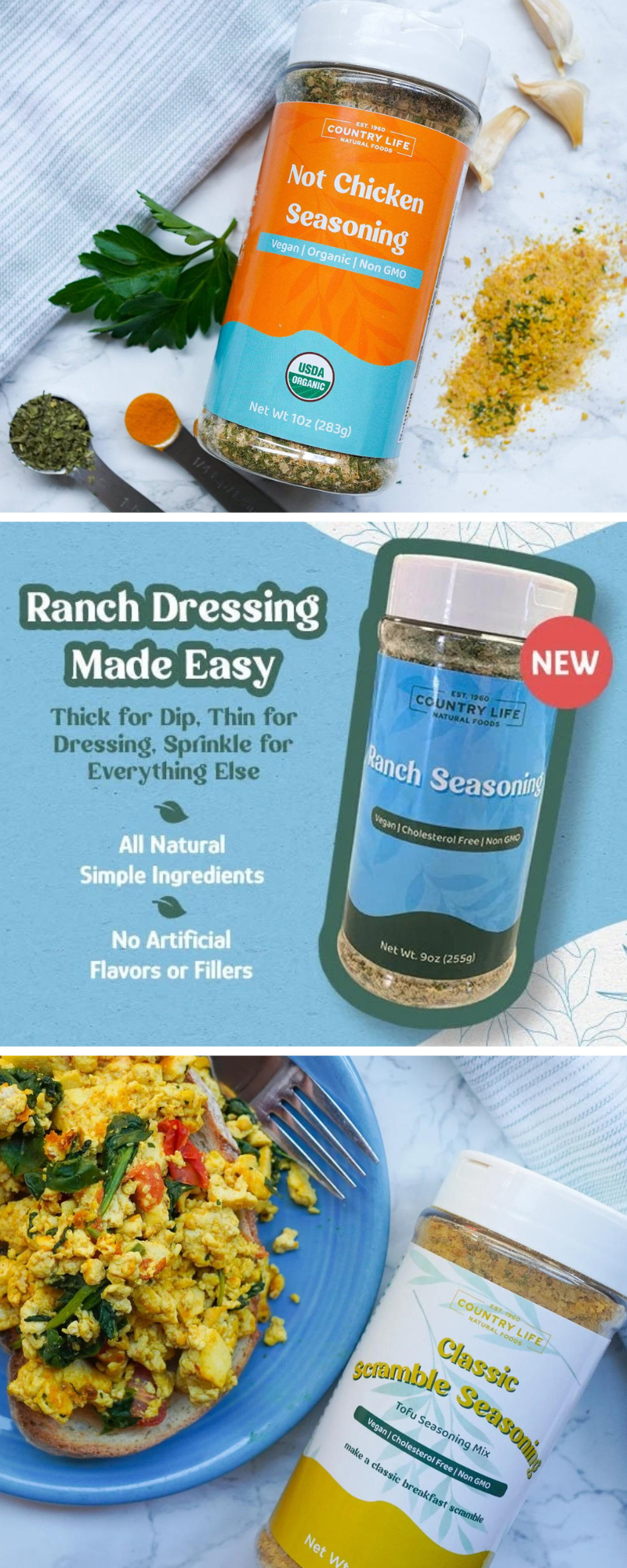
One of our Country Life favorites is our Organic Not Chicken Seasoning, a plant-based blend designed to add rich, savory flavor without chicken.
Its ingredient list includes cassava flour, sea salt, nutritional yeast, onion powder, paprika, garlic, turmeric, parsley, celery seed, savory, basil, rosemary, thyme, oregano, marjoram, and sage. Most of its listed agricultural ingredients are organic.
Our Vegan Ranch Seasoning takes a different approach, combining ingredients such as oat milk powder, onion, salt, garlic, parsley, lemon juice powder, dill, basil, and cayenne.
And our Classic Tofu Scramble Seasoning gets its savory character from ingredients including nutritional yeast, Not Chicken Seasoning, Himalayan black salt, smoked paprika, and turmeric.
How to Compare Seasoning Blends in 30 Seconds
Next time you're standing in the spice aisle, don't overcomplicate it.
Turn the bottle around and check:
1. The first three ingredients
These can give you a quick idea of what makes up much of the blend.
2. Sodium per serving
Especially useful when salt appears near the beginning of the ingredient list.
3. Added sugars
Particularly with barbecue, sweet-and-spicy, and specialty blends.
4. Ingredients you don't recognize
Don't automatically assume they're harmful. Look them up and find out what purpose they serve.
5. Allergens and facility statements
Essential if you or someone you're cooking for has a food allergy.
6. The actual herbs and spices
After all, those are probably what you came for!
If you're ready to refresh your spice cabinet, explore our Country Life Herbs, Spices & Seasonings collection for single herbs and spices, flavorful plant-based seasoning blends, nutritional yeast, salts, and pantry staples designed to make everyday cooking a whole lot more delicious.