Gelatin is a classic ingredient in many desserts—think jellies, marshmallows, panna cotta, and creamy fillings. But because gelatin is derived from animal collagen, it isn't suitable for plant-based, vegetarian, or vegan cooking.
The good news? There are fantastic vegan-friendly gelatin substitutes that work beautifully in baking, cooking, canning, and no-bake desserts.
Whether you're crafting a silky pudding, a thick fruit filling, or a sliceable vegan cheesecake, these plant-based substitutes can help you achieve the same texture—sometimes even better ;-)
Below, we break down six of the best vegan substitutes for gelatin, how they work, how to use them, and the best recipes to use them in.
1. agar powder
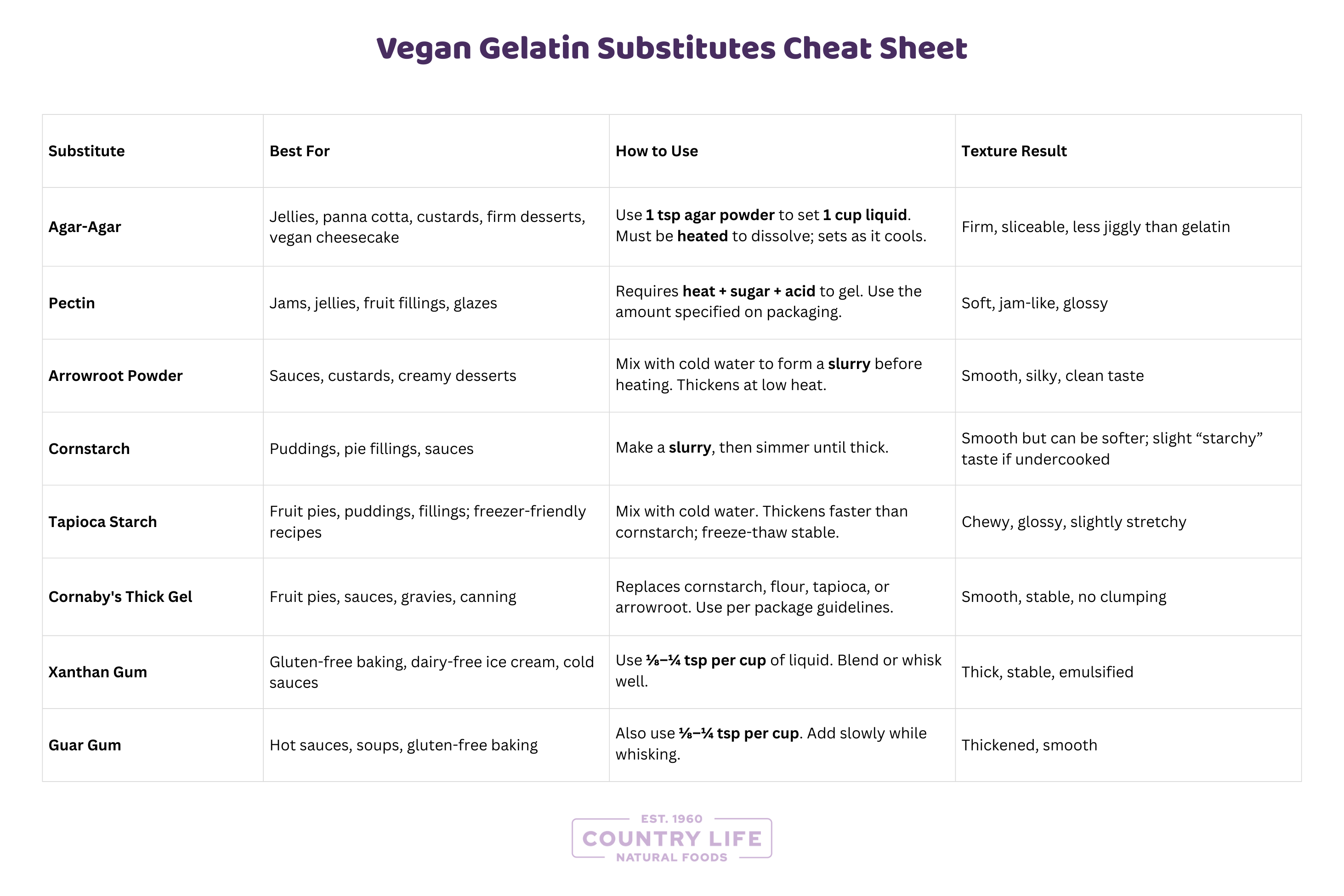
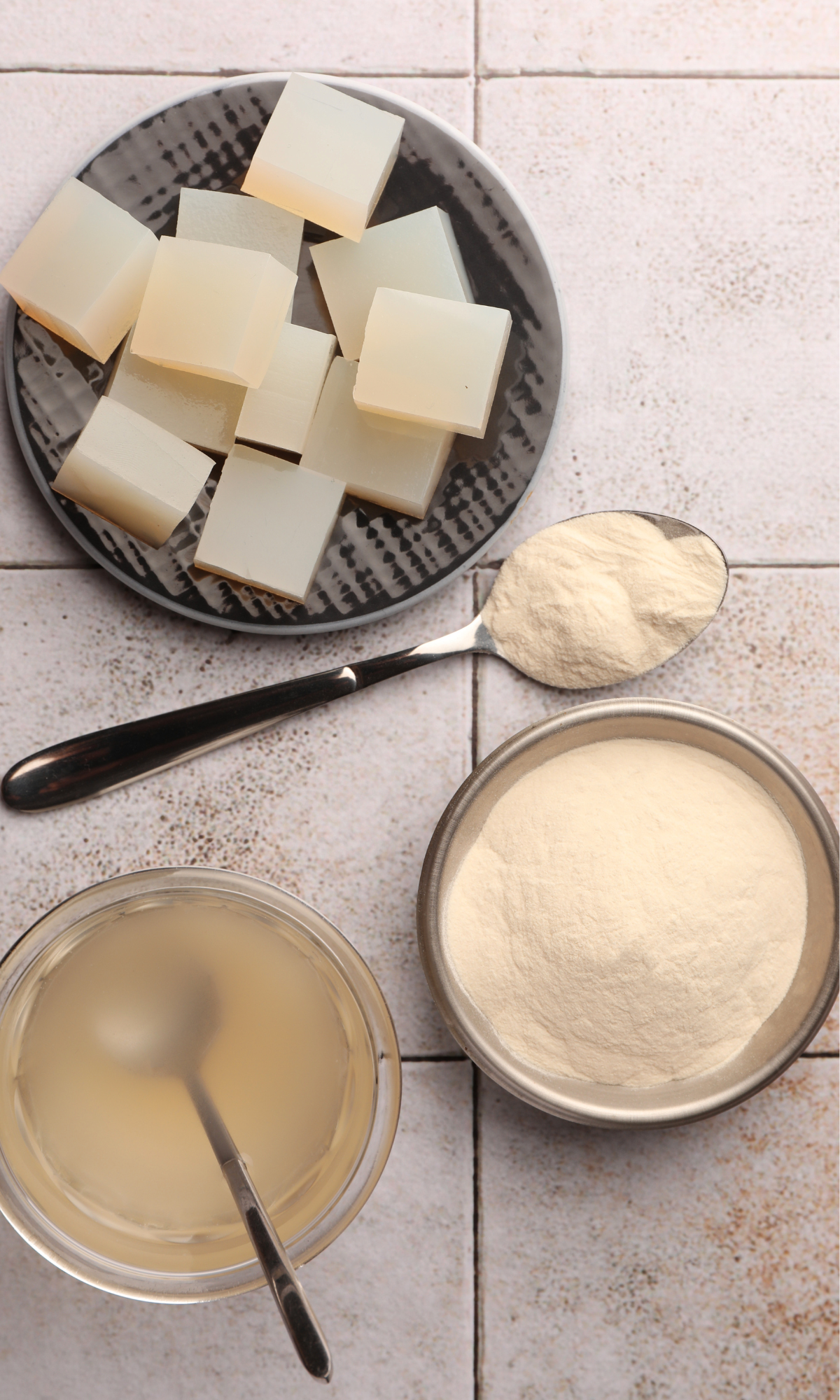
Agar-agar is derived from red seaweed and has been used for centuries in Asian cooking. It's considered the closest vegan alternative to traditional gelatin.
Best for: jellies, custards, puddings, panna cotta, marshmallows, sliceable desserts
Strength: Strong gelling power — firmer than gelatin
How to use agar-agar
- Substitute 1:1 for gelatin powder in many recipes
- Must be heated to dissolve
- Sets at room temperature and becomes even firmer when chilled
- 1 teaspoon agar powder = 1 tablespoon agar flakes = sets 1 cup of liquid
Pro Tips
- Agar sets more firmly and less jiggly than gelatin. Use slightly less for a softer set.
- If the mixture doesn't set, reheat, add a pinch more agar, and let it dissolve fully before cooling.
2. PECTIN
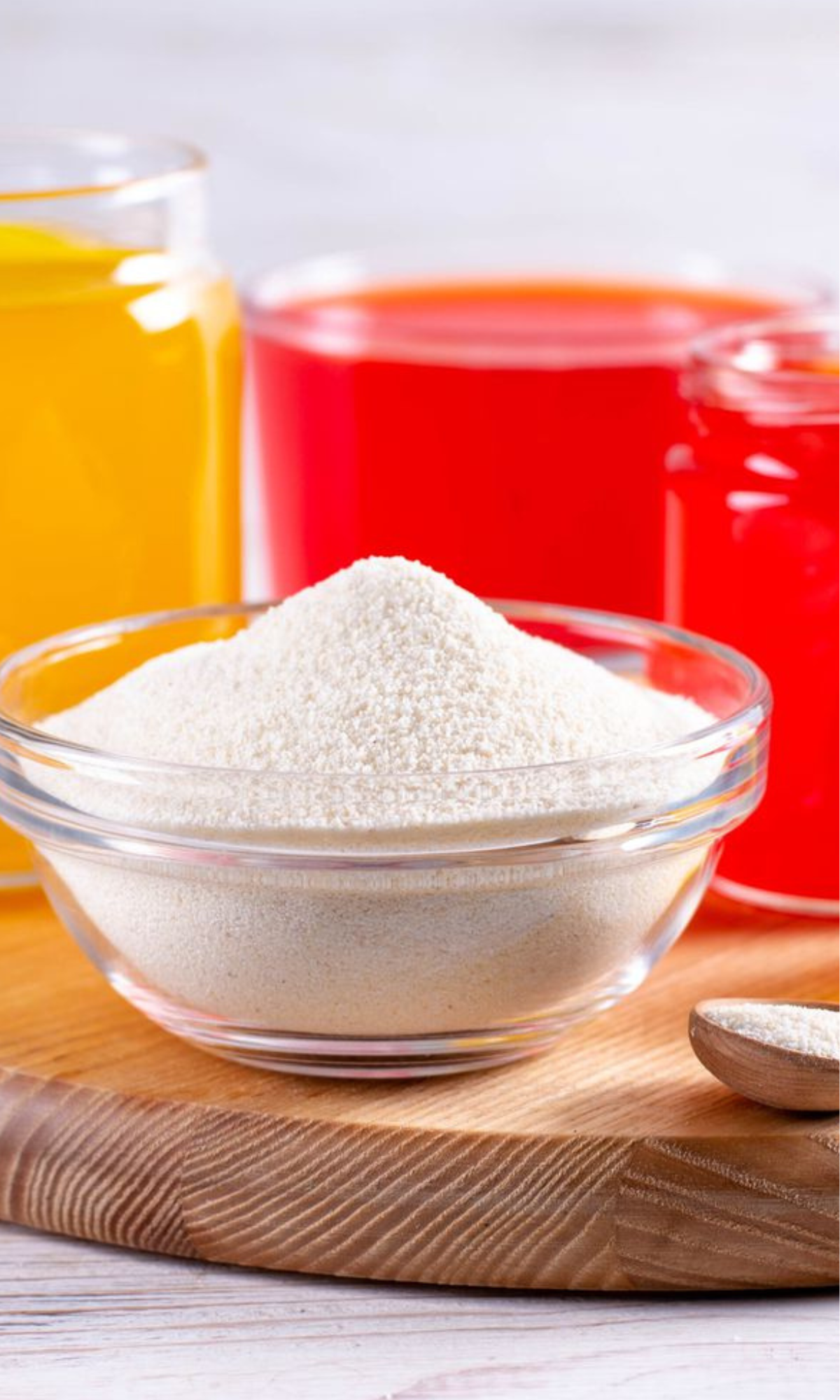
Pectin is a naturally occurring fiber found in apples, citrus peel, and many fruits. When combined with sugar and acid,
pectin creates that classic jelly-like texture. It is excellent for fruit-based recipes.
Best for: jams, jellies, fruit fillings, pie fillings, glazes
Strength: Soft, natural, fruit-based gel
How to use pectin
- Works best with fruity and acidic recipes
- Typically requires boiling to activate
- Sugar helps it gel—so low-sugar pectin is needed for sugar-reduced recipes
Pro Tips
- Pectin is perfect for fruit glazes or pie fillings when you want a soft, glossy gel rather than a firm jelly.
- Great for baked goods because it holds moisture beautifully.
3. ARROWROOT POWDER
Arrowroot powder comes from tropical tubers and is a popular grain-free alternative to cornstarch.
Best for: sauces, custards, puddings, creamy fillings
Strength: Smooth, glossy thickener with a clean taste
How to use arrowroot powder
- Mix with cold water to form a slurry before heating
- Thickens at lower temperatures than cornstarch
- Creates a smooth, almost silky texture
Pro Tips
- Avoid mixing arrowroot with dairy, as it can become a bit slimy.
- Arrowroot is ideal in fruit sauces, stir-ins, or puddings that don't need a firm gel.
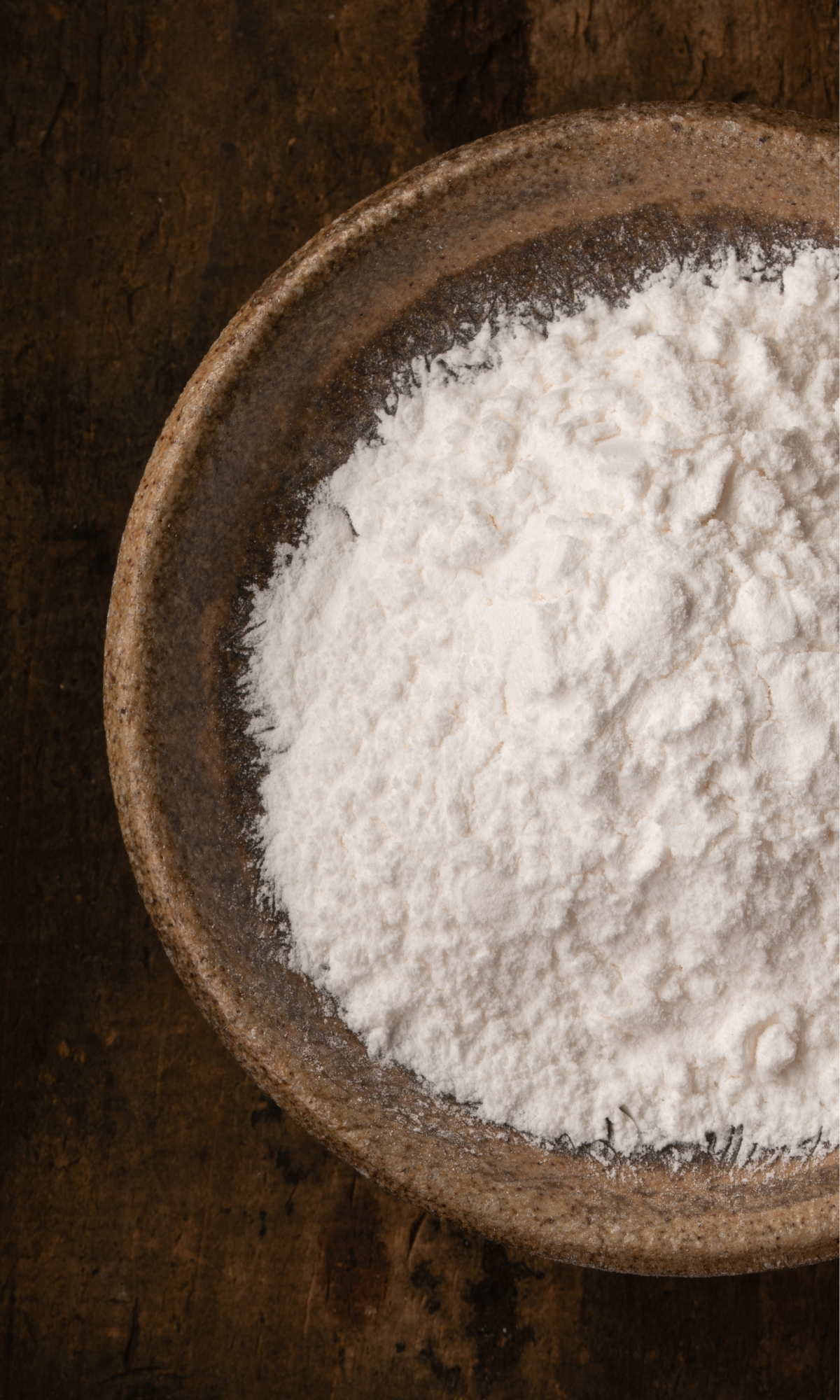
4. TAPIOCA STARCH & CORNSTARCH
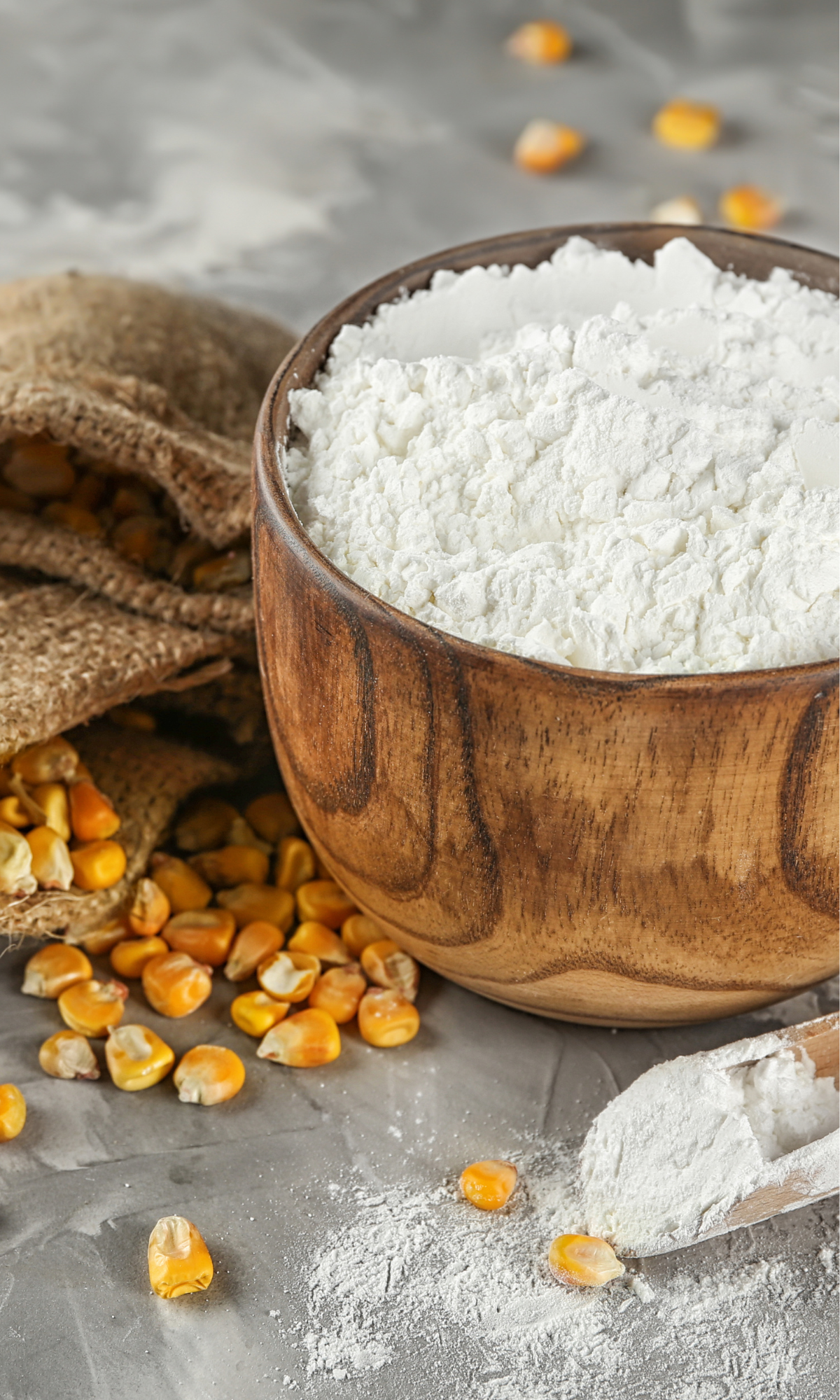
These two classic pantry staples are accessible and effective for creating thick, glossy fillings.
Best for: pies, puddings, sauces, fruit fillings
Strength: Gel-like texture, but softer than agar
How to use them
- Mix with cold water to form a slurry
- Add to your hot mixture and let it cook until thickened
- For a firmer texture, use tapioca; for a smoother finish, use cornstarch
Pro Tips
- Cornstarch can leave a slight taste if undercooked. Let it bubble for 1–2 minutes.
- Tapioca starch remains stable when frozen and thawed, which is great for batch cooking or freezing pies.
Shop granulated tapioca and organic cornstarch here
5. Vegetable Gums
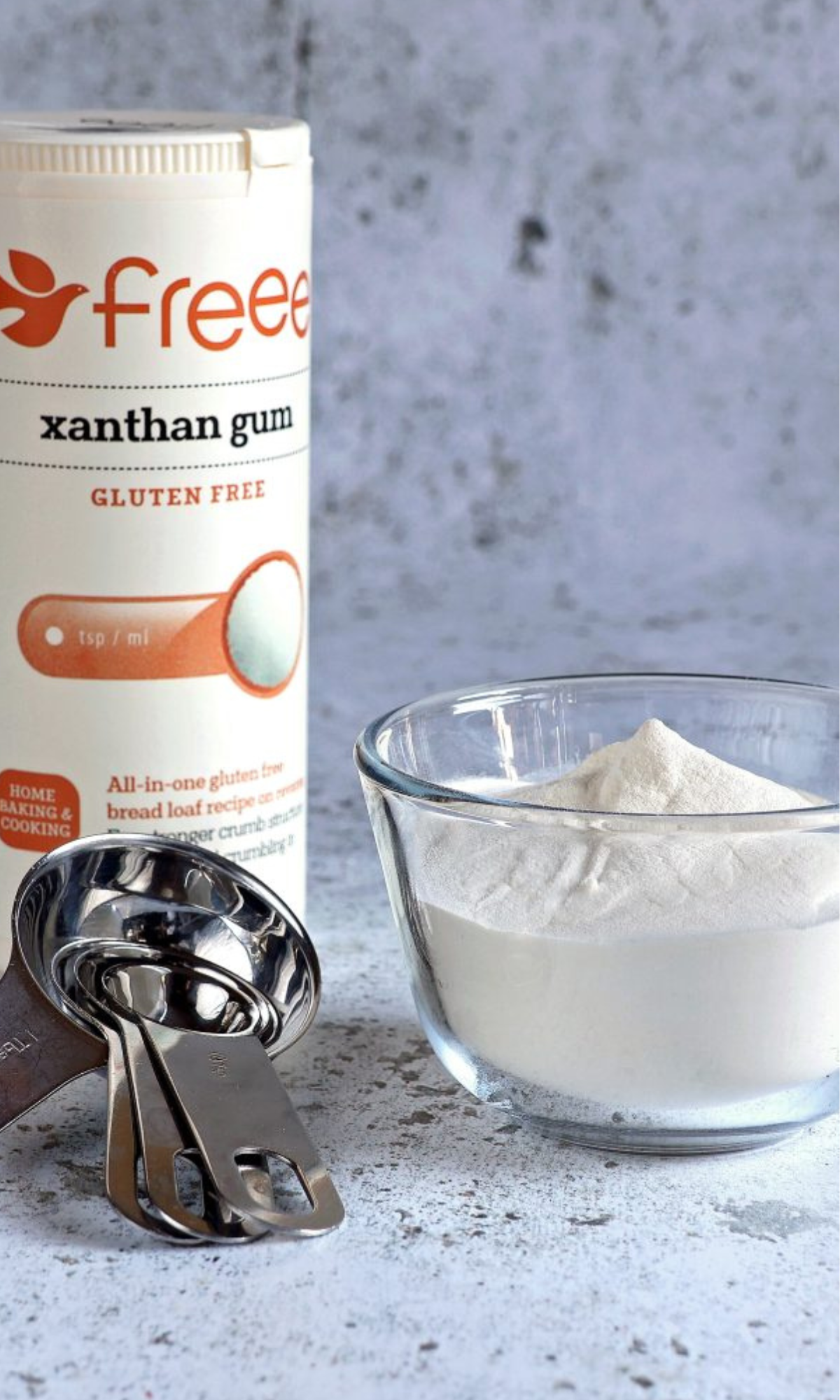
Derived from a tiny inactive bacterium, xanthan gum is a highly versatile and reliable thickening agent. Guar gum is derived from an actual food: the guar bean, or Indian cluster bean. Plant-based gums don't create a firm gel like gelatin, but they're excellent stabilizers.
Best for: dairy-free ice creams, sauces, gluten-free baking, and emulsifying
Strength: Very potent stabilizing and thickening power
How to use gums
- Start with just ⅛–¼ teaspoon per cup of liquid
- Whisk or blend in for even distribution
- Best for adding viscosity and preventing separation
Pro Tips
- Xanthan gum works best in cold liquids.
- Guar gum works well in hot liquids.
- Overusing gums leads to slimy or gluey textures—less is more.
7. Cornaby's Thick Gel
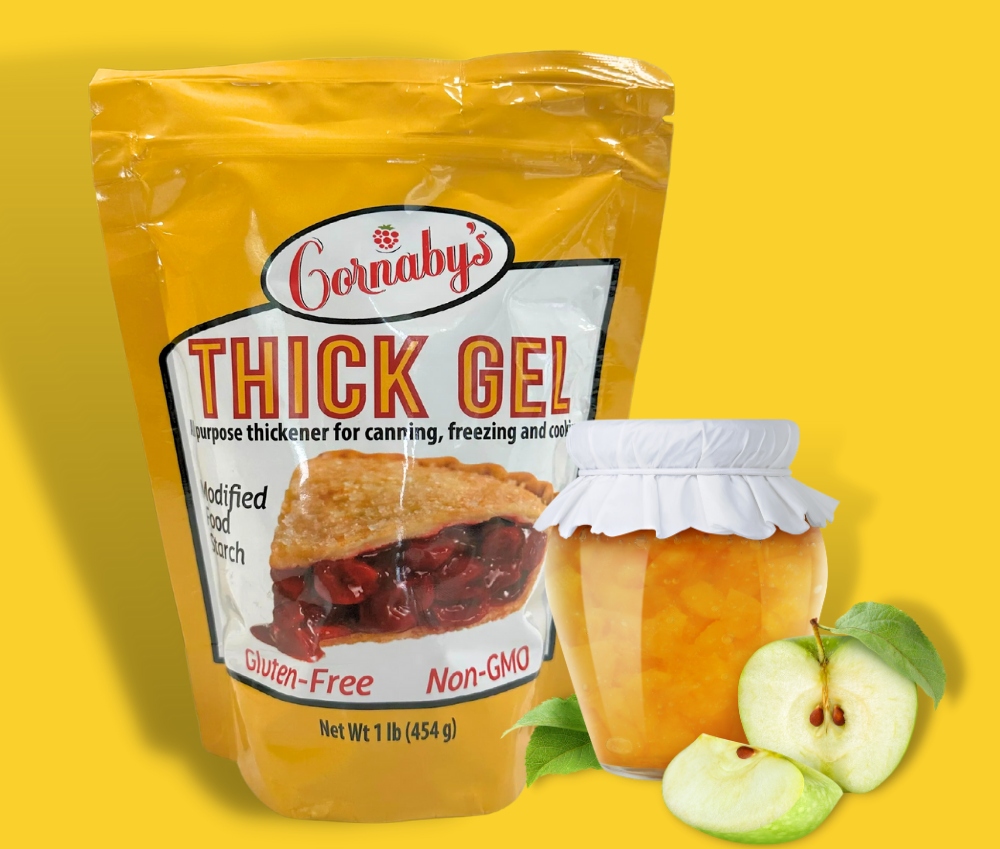
Thick Gel is a modern, user-friendly starch alternative that gives consistent, smooth thickening results.
Best for: pies, sauces, fillings, canning, thickening without clumping
Why bakers love it
- Replaces cornstarch, tapioca, flour, or arrowroot
- Heat-stable
- Perfect for fruit pies and gravies
- No clumping and less prone to breaking down
READ MORE: Perfect your baking and canning with Cornaby's Clear Gel