a smarter sweet treat for your family
For many of us, the desire to eat healthier doesn’t mean giving up sweetness entirely. It simply means finding better ways to enjoy it!
Whether you’re trying to reduce processed foods, cut back on refined sugar, or offer healthier options for your kids, the candy aisle can feel like a dead end.
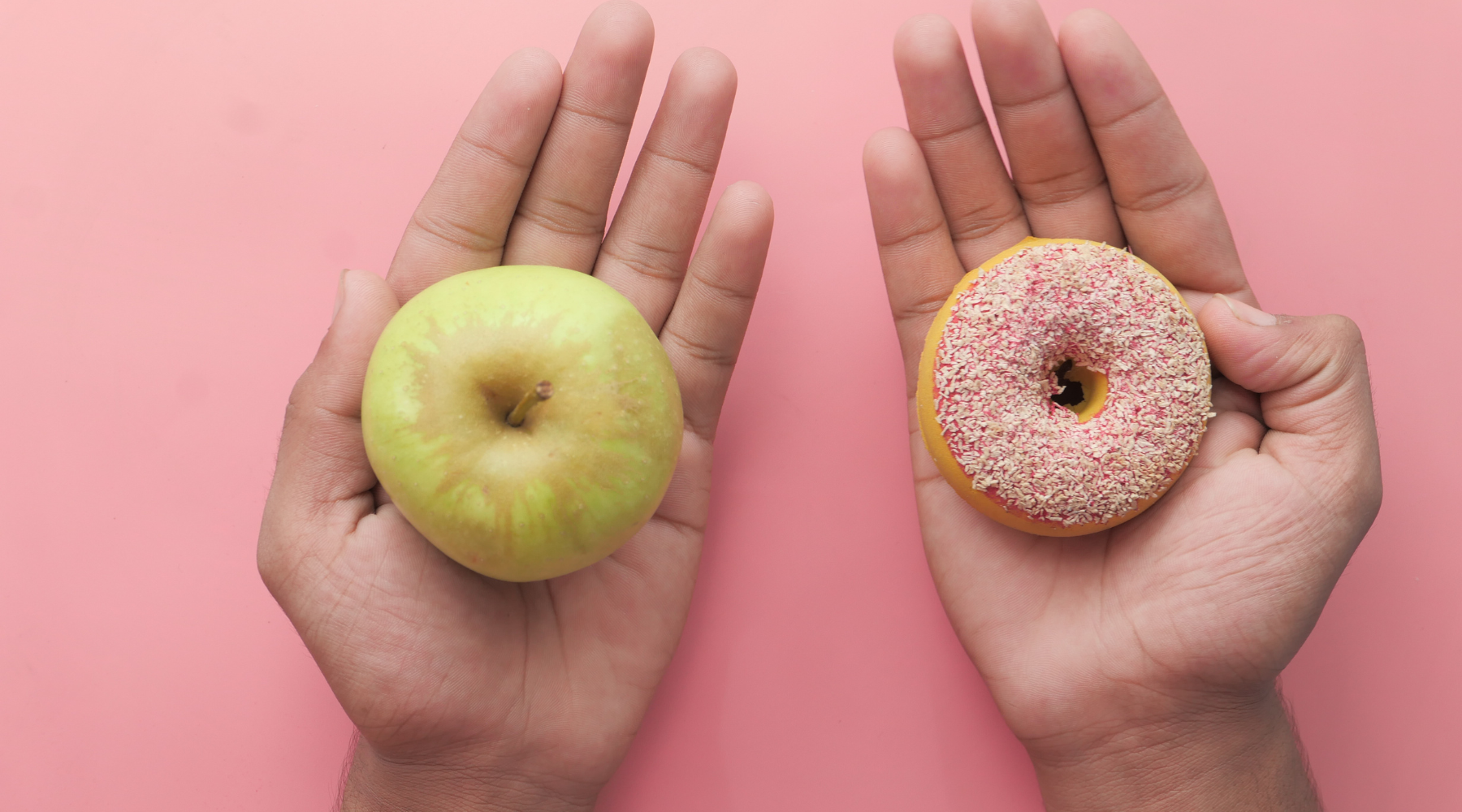
That’s where dried fruit often comes into the conversation. But is dried fruit really healthier than candy, or is it just sugar in disguise?
Let’s break it down simply and honestly.
The Sugar Question (Because It Matters)
Yes, dried fruit does contain sugar. But context matters.
Because the water is removed, the sugars are more concentrated than in fresh fruit. This makes dried fruit easy to overeat and higher in sugar per bite.
That doesn’t make it unhealthy; it simply means portion size is key.
Candy delivers sugar without fiber or nutrients. Dried fruit delivers sugar along with fiber and micronutrients, helping reduce sharp blood sugar spikes.
Why Candy Is a Problem
Most conventional candy products contain:
- Refined sugars or syrups
- Artificial colors and flavors
- Preservatives and additives
- Little to no nutritional value
These ingredients can contribute to blood sugar spikes, energy crashes, and mood swings, and, over time, may increase the risk of metabolic issues, especially when eaten regularly.
For children, frequent exposure to highly processed sweets can also shape taste preferences early on, making whole foods feel “less exciting” by comparison.
Why Dried Fruit Is Better
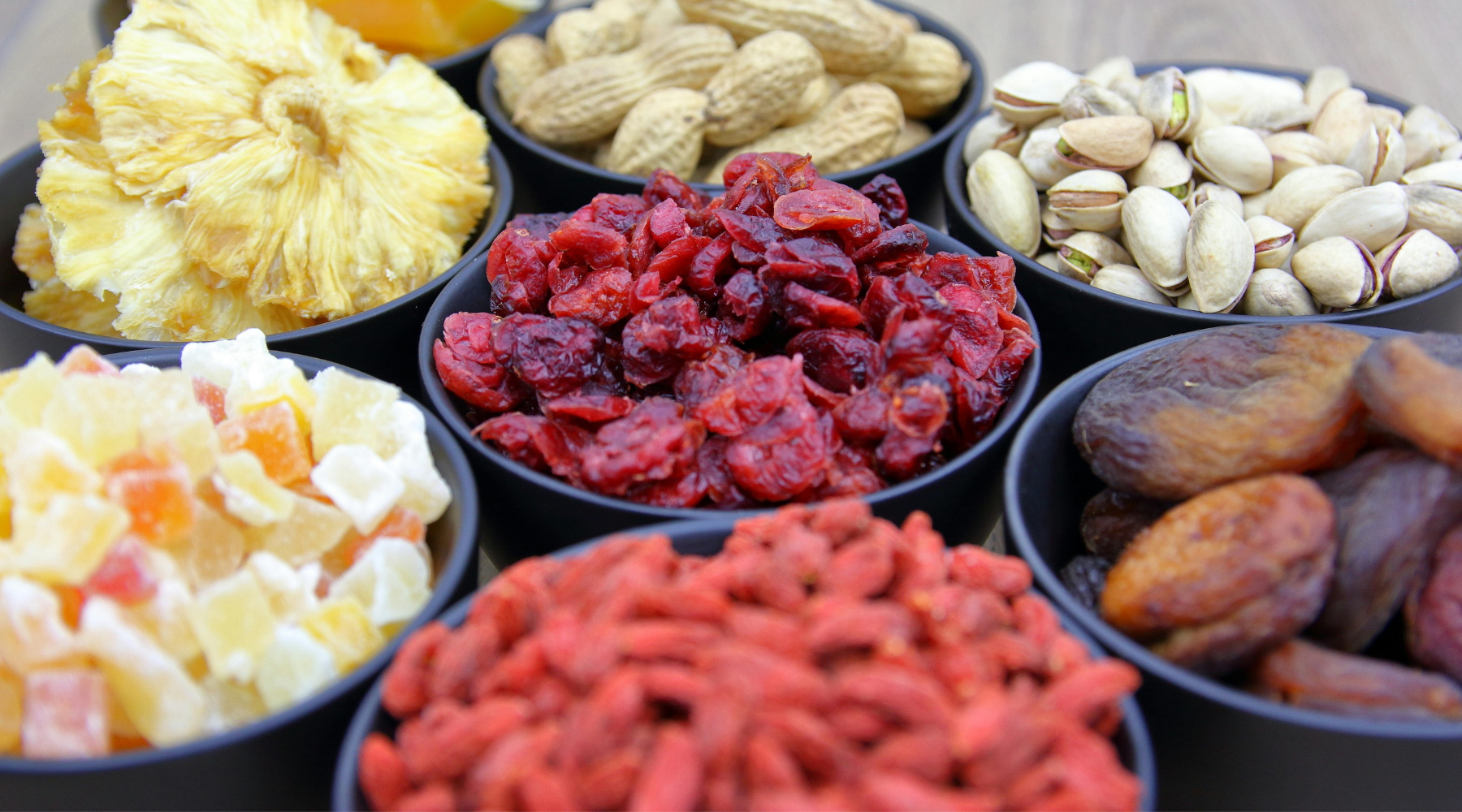
Dried fruit is simply fruit with the water removed—nothing more when sourced correctly. That means it still contains:
- Fiber to support digestion and slow sugar absorption
- Vitamins and minerals like potassium, iron, and magnesium
- The sugar in dried fruit comes from the fruit itself (fructose + glucose), not high-fructose corn syrup or refined white sugar.
- Natural antioxidants that support overall health
Unlike candy, dried fruit offers sweetness along with nourishment. It’s real food—recognizable, plant-based, and closer to nature.
-v1767692908089.png?720x2000)
How to Enjoy Dried Fruit the Healthy Way
Here’s how we recommend enjoying dried fruit without guilt or sugar overload:
✔ Pair it with protein or fat
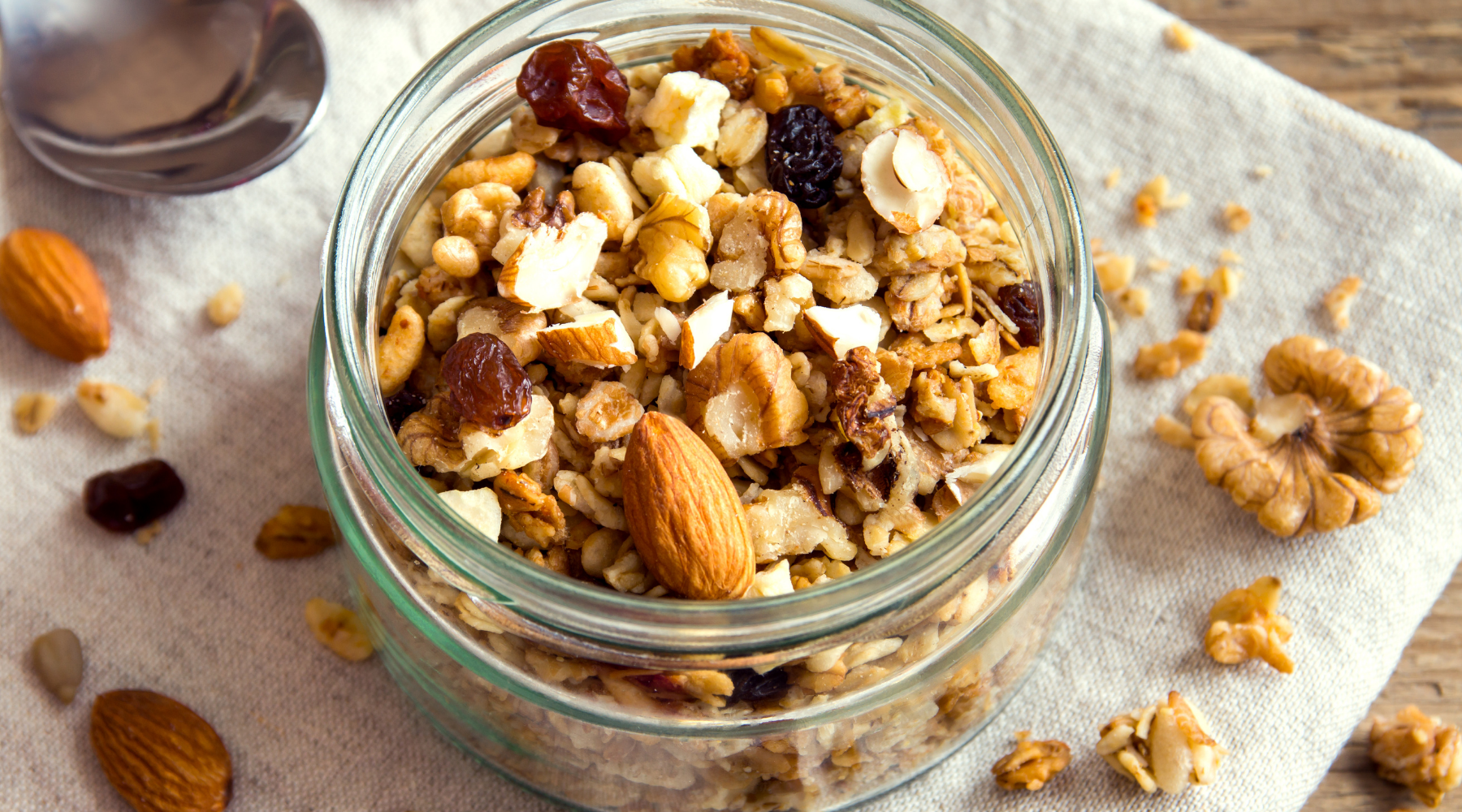
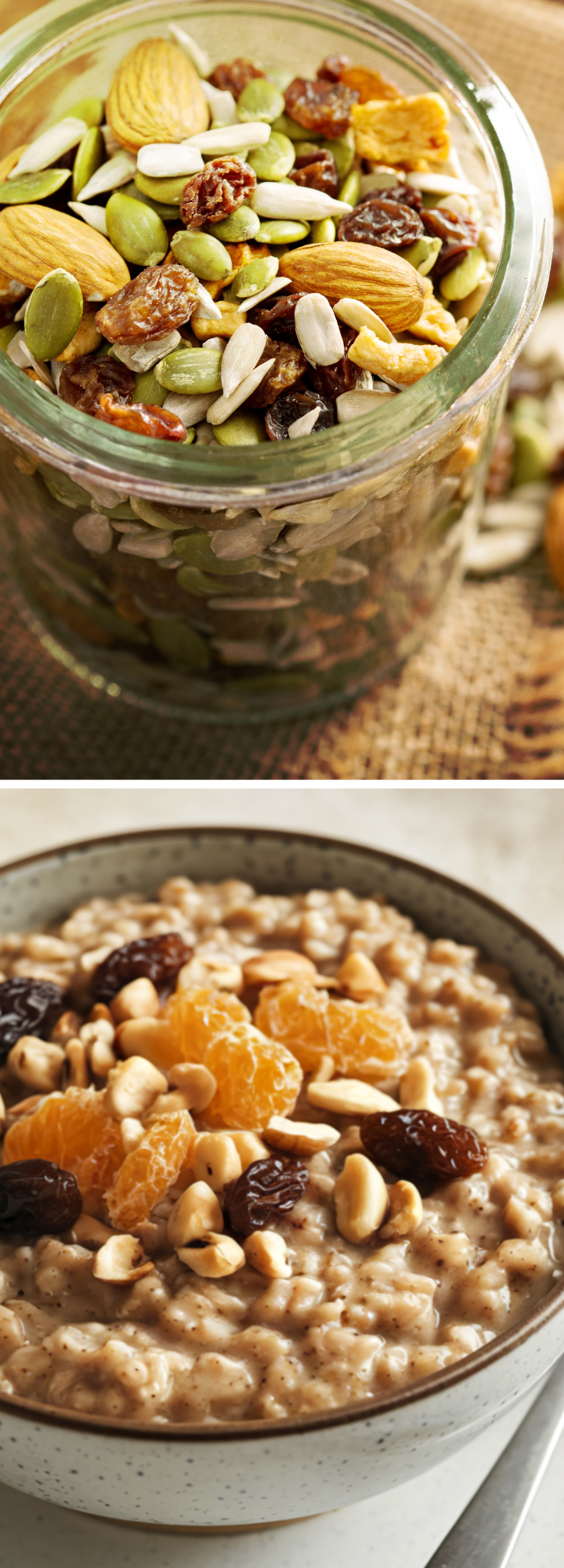
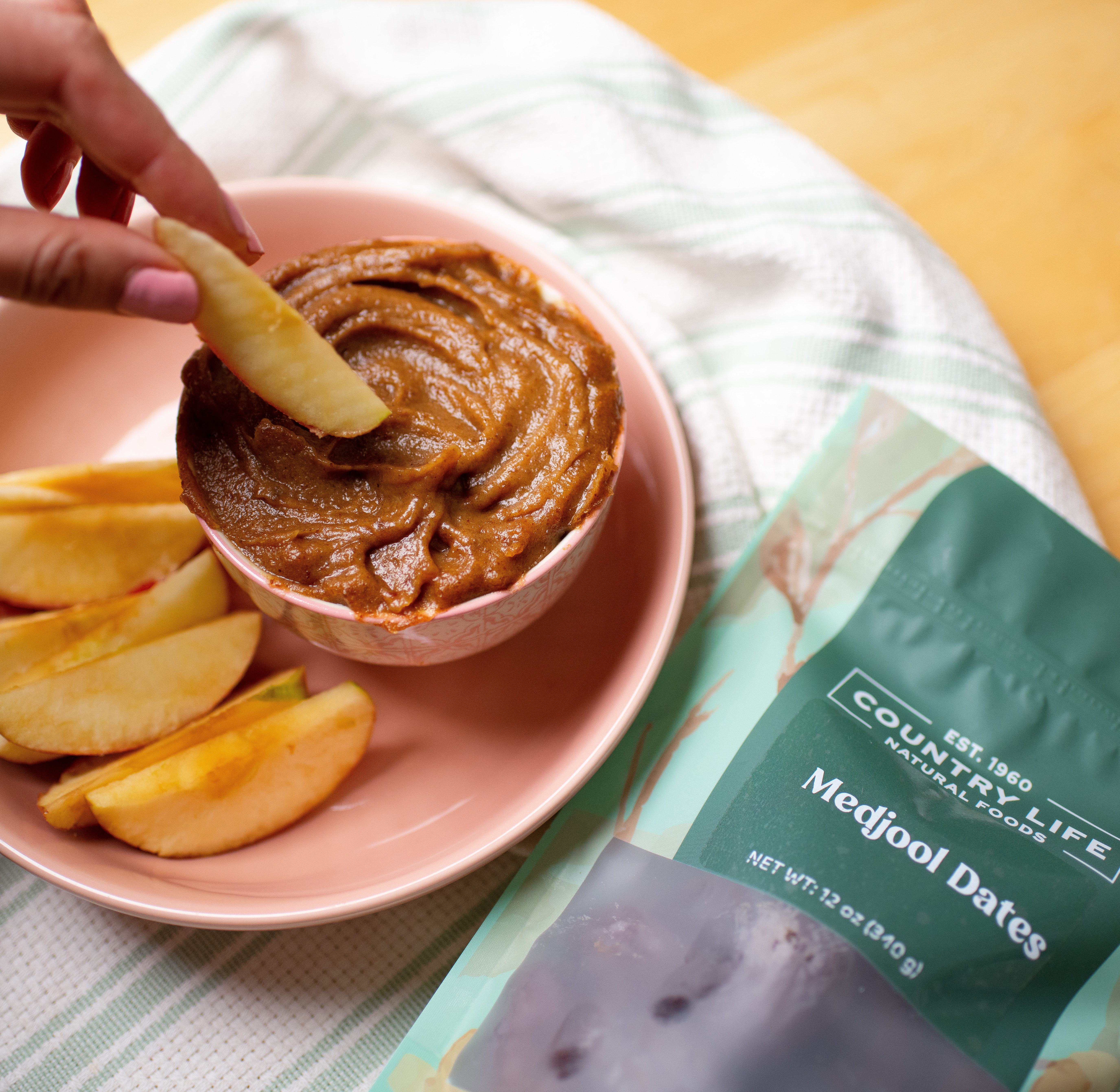
Combine dried fruit with nuts, seeds, yogurt, or nut butter to slow sugar absorption and keep you fuller longer.
Get your nuts, seeds, and dried fruit here
✔ Keep portions modest
A small handful (about ¼ cup) is usually enough to satisfy a sweet craving.
✔ Use it as an ingredient
Chop dried fruit into homemade granola or trail mix, energy balls, oatmeal or porridge, baked goods with reduced added sugar.
Check out these healthy sweet treats using dried fruit!
✔ Make it kid-friendly
Dried fruit is naturally sweet, portable, and easy for kids to enjoy—especially when paired with nuts or whole-grain snacks.
Watch Out for “Sneaky” Dried Fruit
Not all dried fruit is created equal. Some store-bought varieties are:
- Sweetened with added sugar or fruit juice concentrates
- Treated with preservatives
- Closer to candy than fruit
Always check the ingredient list. Ideally, it should list one ingredient: the fruit itself.
Best Dried Fruits for Blood Sugar Balance
If you’re watching blood sugar or simply want to avoid the energy crashes that come with sugary treats, the type of dried fruit you choose matters just as much as the portion size.
The key is fiber, natural sweetness, and minimal processing.
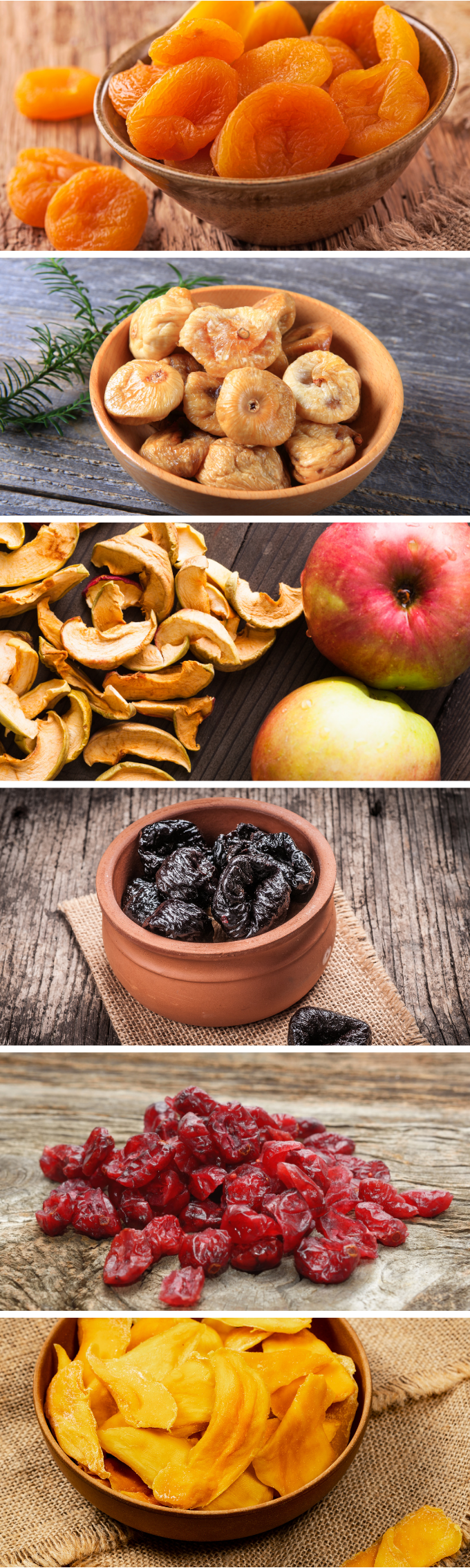
1. Dried Apricots
Dried apricots are naturally rich in fiber and potassium, which help slow sugar absorption and support stable energy levels.
2. Dried Figs
Figs contain soluble fiber that supports digestion and may help reduce blood sugar spikes when eaten in moderation. They’re also rich in minerals like calcium and magnesium.
3. Dried Apples
Dried apples tend to be lower on the glycemic scale compared to many tropical fruits. They also contain pectin, a type of fiber that supports gut health and helps slow digestion.
4. Prunes (Dried Plums)
Prunes are well known for digestive health, but they’re also surprisingly helpful for blood sugar balance due to their fiber content and lower glycemic impact compared to many sweet snacks.
5. Dried Berries (No Added Sugar)
Dried blueberries, strawberries, or cranberries (unsweetened) are packed with antioxidants and tend to have a lower sugar load per serving when used sparingly.
Dried Fruits to Enjoy More Mindfully
Some dried fruits are naturally higher in sugar and are easier to overeat, including:
- Dates
- Raisins
- Dried mango
- Dried pineapple
These aren’t “bad,” but they’re best enjoyed in smaller portions or paired with protein and fat to minimize blood sugar spikes.
Everyone’s body responds differently to sugar—natural or not. If you’re managing blood sugar concerns, insulin resistance, or diabetes, it’s always wise to listen to your body and consult a healthcare professional for personalized guidance.
The Country Life Approach to Sweetness
At Country Life, we believe health isn’t about restriction—it’s about better choices. We believe real food, mindful portions, and balanced combinations are the foundation of a healthier approach to sweetness.
Enjoying sweetness can still be part of a wholesome lifestyle when it comes from real, nourishing ingredients and is enjoyed mindfully. Dried fruit offers a beautiful middle ground: satisfying, comforting, and naturally sweet without the heaviness of ultra-processed treats.
Because living well should feel joyful, not deprived!
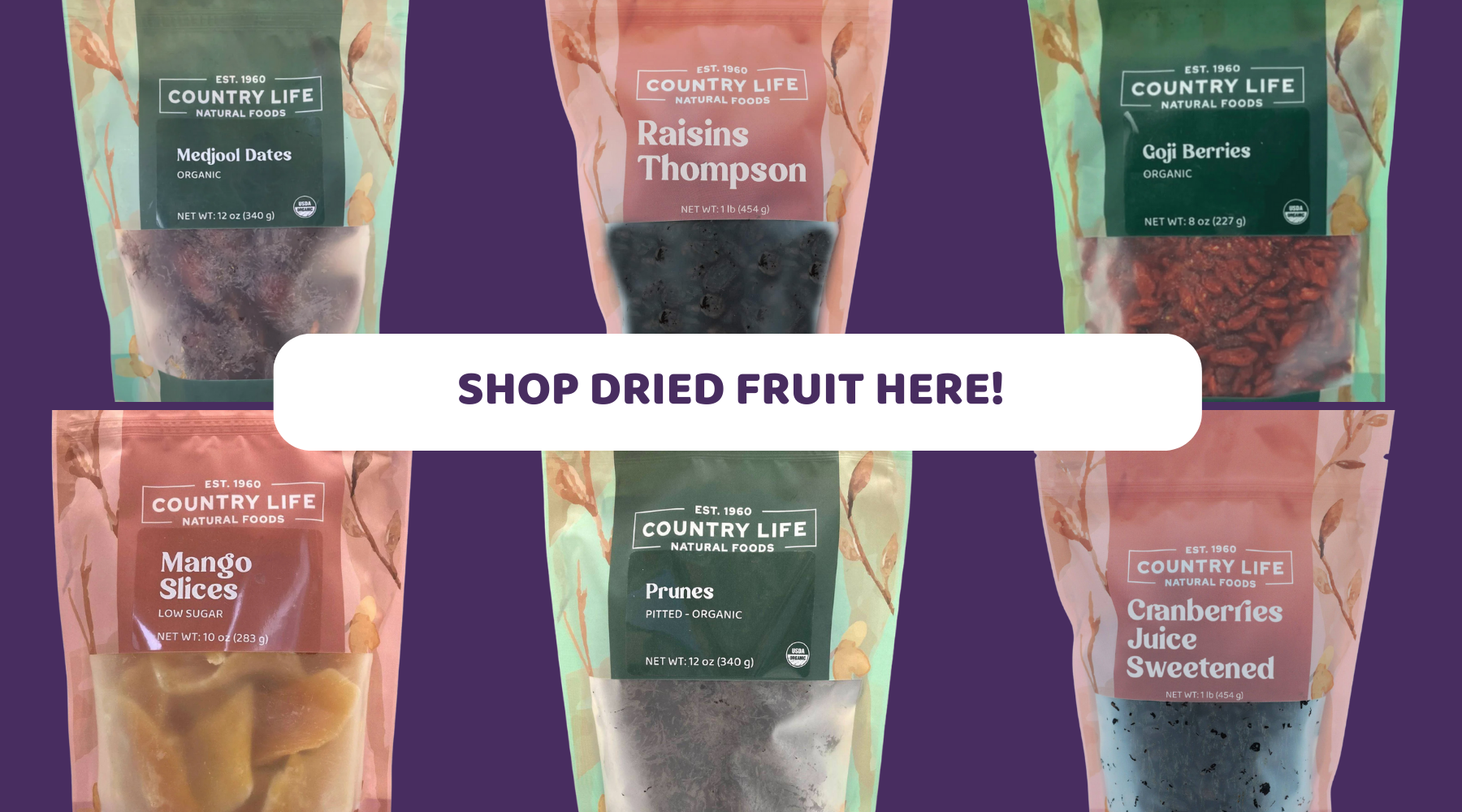
Start shopping for a variety of no-sugar, sweetened, and organic dried fruit options here!